
Breaking
Breaking: Delta to Get Two New Flyovers Among Others

By Favour Bibaikefie, July 22, 2025
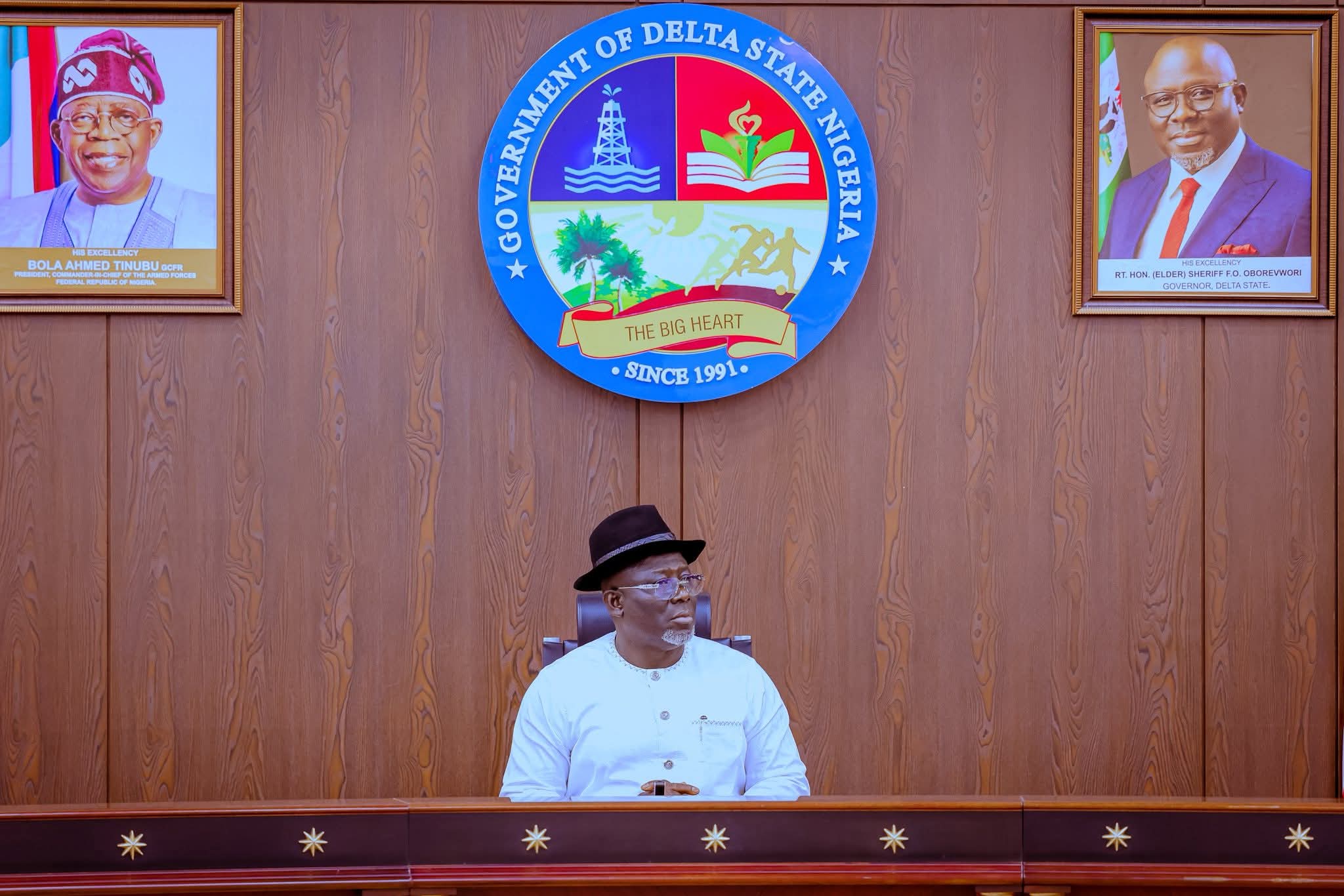
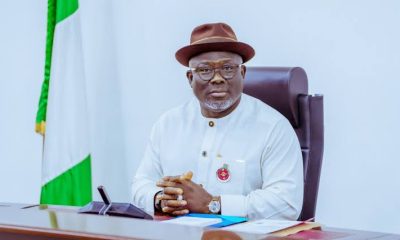
Asaba, Delta State – In a bold move to expand infrastructure across Delta state, Governor Sheriff Oborevwori has announced that the Delta State Executive Council (EXCO) has approved the design and construction of two new flyovers, alongside a host of other road and developmental projects across various local government areas.
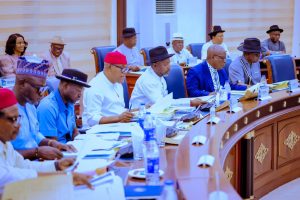
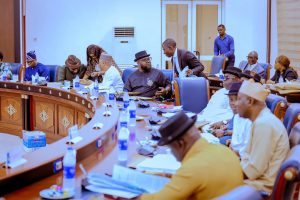
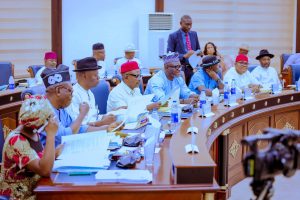
The landmark decision was made during the State Executive Council meeting held Tuesday at Government House, Asaba, and disclosed via a Facebook post by the governor himself.
According to the statement, the two major flyover projects will be located at:
* Uromi Junction in Agbor, Ika South Local Government Area, and
* Otovwodo Junction, along the Ughelli/Patani axis of the East-West Highway, in Ughelli North Local Government Area.
These flyovers are expected to significantly ease traffic congestion and boost economic activity in their respective zones, particularly in Agbor and Ughelli, which are key transportation and commercial hubs in Delta State.
In addition to the flyovers, the Exco approved a comprehensive list of road construction, rehabilitation, and flood control projects spread across the three Senatorial Districts of the state. These include:
*
– Construction of Kolokolo/Tisun Road, Warri North Local Government Area
– Rehabilitation of Bomadi/Gbaregolor Road, Bomadi Local Government Area
– Completion of the construction of Bulu-Angiama Road, off Ughelli/Patani
– Completion of the construction of Ituru Road, Elume, Sapele Local Government Area
– Completion of the construction of Unoghovo Community Road from Benin Expressway to Ovade in Oghara, Ethiope West Local Government Area
– Construction of internal roads in the College of Education, Mosogar (Phase I), Ethiope West Local Government Area
– Construction of internal roads in Jjaghala, Warri South-West Local Government Area
– Reconstruction and asphalt overlay of Emu-Obodeti-Abbi-Abraka Road (from Emu-Obodeti Junction to Abraka), Ndokwa West Local Government Area
– Construction of internal roads in Kantu, Warri South-West Local Government Area
– Construction of access roads leading to Model Technical College, Obiaruku, in Ukwuani Local Government Area (Phase II)
– Construction of flood control measures from Orikeze Avenue Junction through Obi, Enumah, and Uromi Roads to Orogodo River, Ika South Local Government Area
– Completion of the construction of Olikili Layout Roads (Mike Arinze Street, Ezeweani Way, Tony Bakasi Street, Trust in God Lane, Emeka Obiokolo Street with spur to two closes, off Ibusa Road), Asaba, Oshimili South Local Government Area
– Reconstruction of Dual Carriageway Warri – Sapele Road (from the end of the U-turn at Spare Parts Market, Effurun, to after Ohore Junction, before Omenta Bridge) in Uvwie and Okpe Local Government Areas
– Construction of Oko-Amakom/Oko-Obiokpu/Oko-Anala/Oko-Ogbele Road (Phase II), Oshimili South Local Government Area
– Construction of Okowa Crescent, off Ughelli/Patani Expressway, Ughelli, Ughelli North Local Government Area
– Construction of flood control measures on Summit Road through Nwelih Street, St. Patrick’s College, West End Mixed Secondary School, Uche Medua Igeh Close, Amilimocha Stream, Oshimili South Local Government Area.
Governor Oborevwori reaffirmed his administration’s commitment to delivering the “MORE Agenda,” which stands for Meaningful Development, Opportunities for All, Realistic Reforms, and Enhanced Peace and Security.
“We give God praise for a successful EXCO meeting toady,” the governor wrote. ” We will continue to do MORE for Deltans.”
The newly approved projects have been widely welcomed by communities and stakeholders across the state, who see them as a sign that the administration is taking tangible steps to address infrastructure decay, flood control, and road connectivity in both urban and rural areas.
As the state prepares to roll out contractors for project implementation, attention will now turn to timelines, transparency, and local involvement in execution. With this latest EXCO decision, Governor Oborevwori continues reinforce his administration’s focus on inclusive development and strategic






Breaking
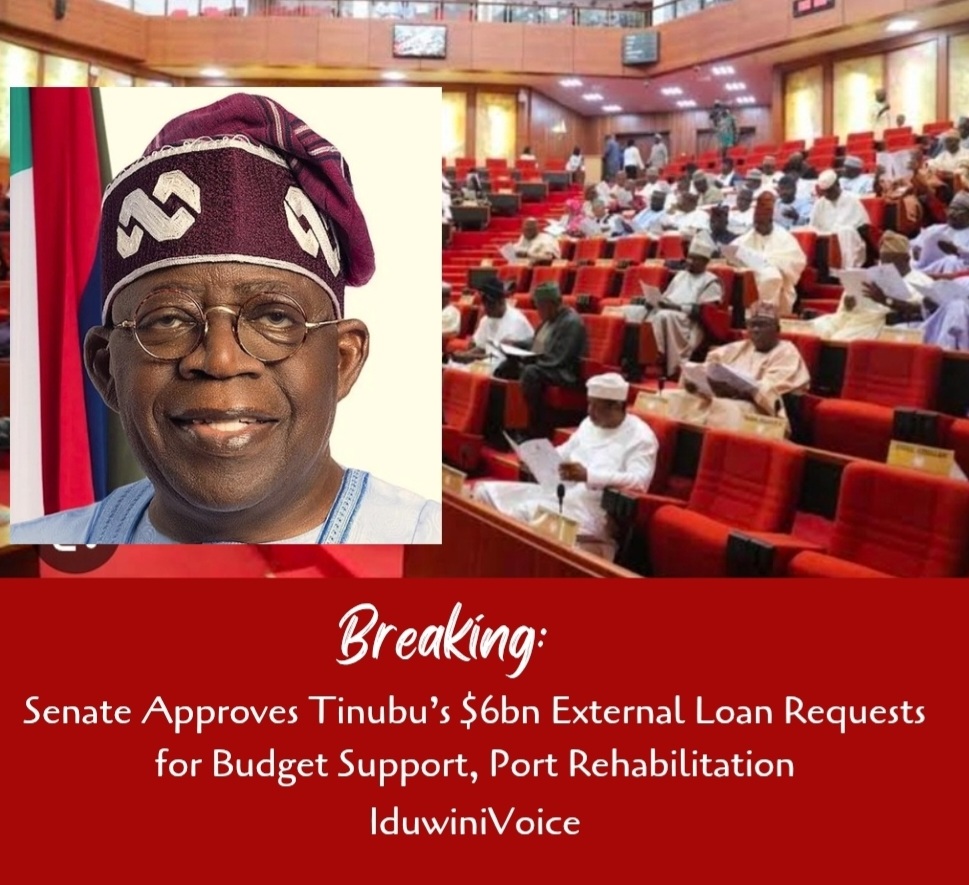
Senate Approves Tinubu’s $6bn External Loan Requests for Budget Support, Port Rehabilitation
By Favour Bibaikefie
The Nigerian Senate has approved President ’s request for two external loan facilities totaling $6 billion, aimed at supporting the 2026 budget and upgrading key maritime infrastructure across the country.
The approval followed the consideration of two executive communications earlier transmitted to the upper chamber and read during plenary by Senate President on Tuesday, March 31, 2026.
Breakdown of the facilities shows that the Federal Government secured a $5 billion loan from Abu Dhabi Bank to provide critical budgetary support. The fund is expected to help bridge fiscal gaps and enable the government meet pressing financial obligations.
The second facility, valued at $1 billion, is from Citi Bank, London, and is specifically designated for the rehabilitation and technical upgrade of Nigeria’s major seaports, including the Lagos Port Complex and Tin Can Island Port.
According to the presidency, the port modernisation initiative is designed to tackle longstanding operational inefficiencies, strengthen security, and boost non-oil exports. The government also aims to reposition Nigeria as a leading trade hub within the West African sub-region through improved port infrastructure.
Following deliberations, lawmakers gave their nod to the loan requests after reviewing the report of the Senate Committee on Local and Foreign Debts, chaired by Senator Aliyu Wammakko, which had earlier been mandated to examine the proposals.
Senate sources indicated that the approval was granted after assurances on the viability of the projects, expected economic returns, and the capacity of the government to manage the country’s debt profile responsibly.
The development marks a significant step in the Federal Government’s efforts to stabilise public finances and accelerate infrastructure renewal, particularly in the maritime sector, which remains a critical gateway for international trade and revenue generation.

As Iran strikes Kuwaiti vessel Al-Salmi
By Ezinne
Tensions in the Persian Gulf have reached a boiling point after a giant Kuwaiti crude oil tanker, the Al-Salmi, was hit by an Iranian drone strike while anchored off the coast of Dubai early Tuesday, March 31, 2026. The attack follows a fresh ultimatum from US President Donald Trump, who warned that the United States would “obliterate” Iran’s energy grid and oil infrastructure if the Strait of Hormuz is not immediately reopened.
The Al-Salmi, which was fully laden with approximately 2 million barrels of crude oil, was struck on its starboard side shortly after midnight, sparking a major fire. Dubai maritime authorities confirmed that firefighting teams successfully extinguished the blaze after an hours-long operation. While all 24 crew members were reported safe and no oil spill has yet been confirmed, the Kuwait Petroleum Corporation (KPC) condemned the incident as a “direct, heinous attack.”
This escalation comes as President Trump utilized social media on Monday to threaten the destruction of Iran’s Kharg Island oil hub, power plants, and desalination facilities if a ceasefire deal is not reached “shortly.” The conflict, which began in late February, has already pushed global oil prices above $100 a barrel and gasoline prices in the US past $4 a gallon. As the US and Israel continue missile strikes on military and nuclear infrastructure within Iran, Tehran has retaliated by targeting commercial shipping and regional energy plants, raising fears of a total collapse in global energy security.
By Favour Bibaikefie
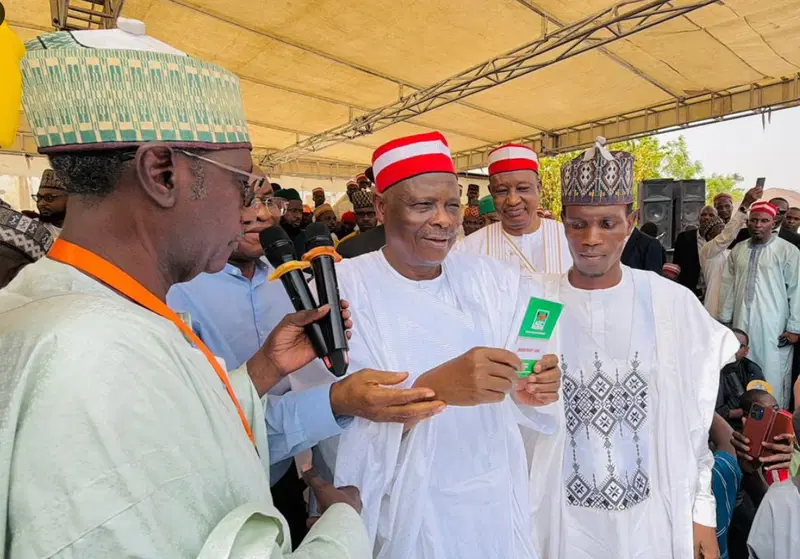
Nigeria’s political landscape witnessed a significant shift on Monday as formally defected to the African Democratic Congress (ADC), a move widely seen as a strategic recalibration ahead of the 2027 general elections.
Kwankwaso, a former governor of Kano State and presidential candidate of the New Nigeria Peoples Party (NNPP) in the 2023 elections, officially registered with the ADC in Kano, marking the end of his association with the NNPP and signalling a new phase in Nigeria’s opposition politics.
The high-profile defection event attracted key political figures across party lines, underscoring growing momentum toward a broad-based coalition aimed at challenging the ruling party in 2027. Among those reportedly present or aligned with the unfolding political realignment are prominent opposition figures believed to be exploring a unified front.
Strategic Realignment Ahead of 2027
Political analysts say Kwankwaso’s entry into the ADC represents more than a routine party switch; it reflects an emerging convergence of opposition forces seeking to avoid the fragmentation that defined the 2023 presidential election.
In that election cycle, the opposition vote was split among multiple candidates, including Atiku Abubakar of the Peoples Democratic Party (PDP), Peter Obi of the Labour Party, and Kwankwaso himself under the NNPP platform—an outcome that ultimately benefited the ruling All Progressives Congress.
With less than two years to the next electoral cycle, Monday’s development suggests a deliberate effort to consolidate political strength, particularly in northern Nigeria where Kwankwaso commands a formidable grassroots following through his Kwankwasiyya movement.
ADC Emerges as Coalition Platform
The ADC, hitherto considered a minor political platform, is increasingly positioning itself as a potential coalition vehicle for opposition leaders seeking a neutral ground free from entrenched internal rivalries associated with older parties.
Observers note that Kwankwaso’s defection may trigger a domino effect, encouraging other political heavyweights to reconsider their affiliations as consultations intensify across the opposition spectrum.
There are also indications that talks are ongoing among leading political actors on the possibility of presenting a consensus presidential candidate in 2027—a strategy aimed at mounting a more formidable challenge to the incumbent administration.
Implications for the Ruling Party
For the APC, Kwankwaso’s move introduces a fresh layer of complexity to the evolving political equation. While the ruling party maintains a strong national structure and incumbency advantage, a united opposition could significantly alter electoral dynamics, particularly in battleground states across the North-Central and North-West regions.
Political commentators argue that the success of the emerging coalition will depend largely on its ability to manage internal ambitions, agree on power-sharing arrangements, and present a coherent policy alternative to Nigerians.
Looking Ahead
As political activities gradually build toward 2027, Kwankwaso’s defection to the ADC may well be remembered as a defining moment in the early stages of coalition politics in Nigeria’s Fourth Republic.
Whether this realignment translates into a viable electoral force remains to be seen, but one point is clear: the race to 2027 has begun in earnest, and the battle lines are already being redrawn.