
Editorial
OKUAMA/IGBOMOTOROU/ THE MILITARY: A SPRING OF BITTER TRUTHS.

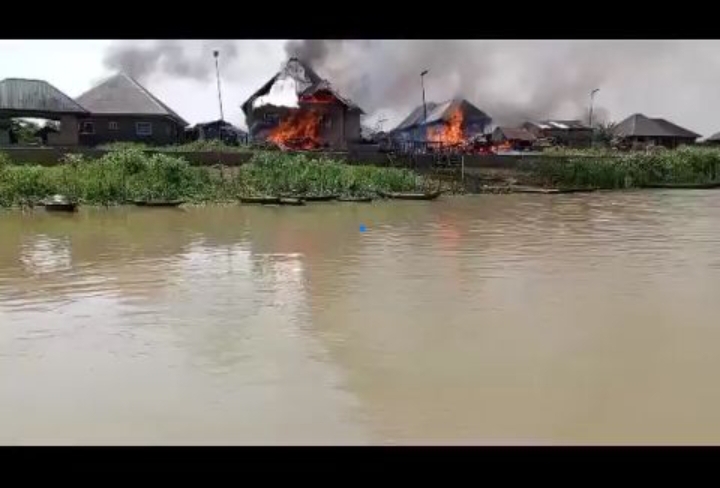
OKUAMA/IGBOMOTOROU/ THE MILITARY: A SPRING OF BITTER TRUTHS.
By Tobouke JEMINE
It is a painful, tormenting, and devastating separation from life. The mortalities on both sides will be hard for the mourning mornings and uneventful evenings to forget. Again, our sympathy and condolences to the families, loved ones, friends, colleagues and well-wishers of the departed souls.
About two days ago, while responding to the military version of a dear brother regarding the present fate of Okuama and Igbomotorou on a WhatsApp Town Hall, I said to him that, the sticks of a bunch of broom used to kill a fly may appear united, but by their lengths, or widths, or colours, or positions you may discover that the dirt of guilt is not smeared on all the sticks.
No one with a sane mind will justify the gruesome killing of the military doves. Countless times, that awful act against the official men of arms will be condemned. And numberless times, let the haphazard and amateurish retaliation of the army against those human habitations be condemned as well.
There are people in Okuama and in Igbomotorou, I choose to believe, who may not fight a just war, even if they are pushed or legally backed. They are probably among the victims now. Should such peaceniks suffer torture ,loss and death on account of the sins of others? Are we taking precedence into consideration when we burn the crops and the weeds together because they are from the same soil?
I’m sure not every child, not every pregnant woman, not all the aged, not all the sick, not all the elders and not even all the youths in Okoloba and Okuama give lethal endorsement as the best means of resolving the land dispute, talk less of endorsing the murder of a military peace-mission. Yet the professional empathy of the armed forces looked away from these facts and launched retaliatory actions against Okuama, and more unfairly, Igbomotorou. How just is that?
I came across a legal statement made by the renowned and formidable lawyer and human rights activist, Femi Falana concerning the military reprisal, where he said:”Nigeria domesticated the Geneva Convention in 1960 and under Article 33 of the the Geneva Convention, collective punishment is prohibited. Innocent people cannot be attacked, even in a war situation.” And that is enough to settle this case in a sane clime.
But we are still in that continent and in that society that was once notoriously dominated by military dictatorships, and they brutalized at will, destroyed impulsively, decreed death with impunity and give no place to national conscience in their dealings.That horrible background is still influencing the foreground of military operations in our country till date.The military in societies without the appalling experience of military dictatorships don’t talk and act like our own men of arms.
In this country, we have soldiers go online boasting that they can-do-and-undo. They claim to be mightier than the Law that established that institution and spelt out their functions and obligations. They put civilians through cruel indignities. They want civilians to see them as demigods. They want even our innocence to tremble at their presence, treating civilians as if they are subordinate citizens, and as if they are less human.
Once upon a time the Nigerian military had the mentality of ruling this country successively… but certain civil weapons were deployed to recreate that mindset — the military reunited with her constitutional place as protectors of the sovereignty of this country and guardians of the life, property and dignity of the citizens, leaving AsoRock for civilians. Those civil methods are needed again to give the army further schooling in military-civilian relationship.
There is obviously the need to present a bill in our national law-factories to stop military bombardment of communities over the crimes of individuals or groups. Culprits should be professionally fished out and made to face the interpretation of the Law of the land. Even if the king of a kingdom commits crimes against the state or the army, he and he alone, or he and his accomplices should be the ones to answer the questions of the Law, not the entire land. Slaying the innocent and destroying properties that have the mark of Legal Passover on them because of some criminals is cruel, crude, brute and barbarous.
Criminal elements that can bring this sort of military doom to a family, a community or a clan are not fated to Okuama and Igbomotorou alone. Your community can make the next news headline for a similar fate. But if we feel that it is right for the military to take down a whole community because of the iniquities of some persons, then a day will come, and it is already here, when we will be discouraged from building houses and setting up businesses in our ancestral homes — and finally we will end up seeking safety in another man’s land. May that day never manifest when humanity is still drawing life’s meaning from acquatic wonders and from the Breath of the Sea.
I dare to emphasize that, Might is not a synonym for Justice.Military terrorization and subjugation of coastal communities in the Nigerdelta has always been the triumph of Might, not Justice; only Machiavellian stratagem, biased exteriority — and probably with a pricking internality — will make us to say the contrary.
We condemn the reprisal attack, not just because of the innocents in Okuama, but because it has been the manner and method of the Nigerian Military Force whenever a crime of this nature is perpetrated in coastal Niger Delta. History is replete with proofs.
One of my maternal communities, Agge in Ekeremor LGA of Bayelsa State was unfortunate with the military. It was burnt down on August 4th, 2009 by the army based on an unverified information that some Agge youths were among those who carried out crimes against the state. This peace-loving people woke up to the savegeness of the military on that day without any premonition of the doom that awaited their Innocent Sleep.
MEND’S Camp 5 and others were stationed in the creeks far away from communal habitations, but when the military invaded Gbaramatu Kingdom in 2009, Oporoza, Ekenrenkoko, Kurutie and others were not spared, they were razed in the guise of manhunting the Priest of Nigerdelta and the MENDists. How fair?
Today, if you go to that my maternal community by the Atlantic Ocean, there are military checkpoints where you will have to put out your hands in the air before further passage will be granted you. And yet the same disdainful treatment is not given to travellers in the north where bandits commit all sorts of atrocities against civilians and the military.
I was in a northern town of recent where we heard exchange of gunshots between the army and bandits both day and night, yet I didn’t get to witness road users being harassed, or the town being invaded or turned to detritus.
Many crimes have been committed against coastal Nigerdelta, and the Nigerian civil populace in Nigeria by the military, yet no measure of justice has been meted out against that institution. They have pauperized, rendered homeless and killed thousands of innocent souls in their search for criminals in littoral Nigerdelta and gone scot-free. Today, if our cry is limited to justice for the gruesome killing of the military pacifists, and not to the innocents in Okuama, Igbomotorou and nearby communities, we should know that we are not sincere, fair and just in this issue.
Those who are one-sided on this issue like Governor Oborevwori and Henry Daniel-Ofongo, an indigene of Igbomotorou, and former Member, Federal House of Representatives, who are not addressing the savage retaliations of the military, are sure saying that those civilians killed indiscriminately and extrajudicially are not human enough and that there is a law in this country that permits the military to kill at will and raze a community over an individual sin. That is too tormenting to humane and sane sensibilities to deal with.
Thanks to Prof. Benjamin Okaba who stood for justice; the lawyer and human rights activist, Liborous Oshoma who spoke Truth to power, and the Urhobo youth leader, Blessed Ughere who while condemning the killing of the military officers, also cried out against the murderous return of the military against his people. I feel ashamed that our own man from Igbomotorou whose community is not the actual scene of the act was speaking trash on a national television. The likes of Ofongo are wrong voice for the Ijaw cause.
Let not the innocent go down for the crimes of the guilty; let the innocent live that he may preach the Beauty and Precepts of a Society where Justice is highly prized to his children and his children’s children.
Hate me if you wish, but I beg you not to hate the Truth I speak here, because you may need this same Truth by your side one day.
Karma, I like to say, is not a myth.
The wisdom of Jesus Christ will forever be relevant: “Do unto others what you would like to be done unto you”.







Editorial
Amaseikumor Festival: A Cultural Renaissance Rooted in Spiritual Heritage and Regional Influence
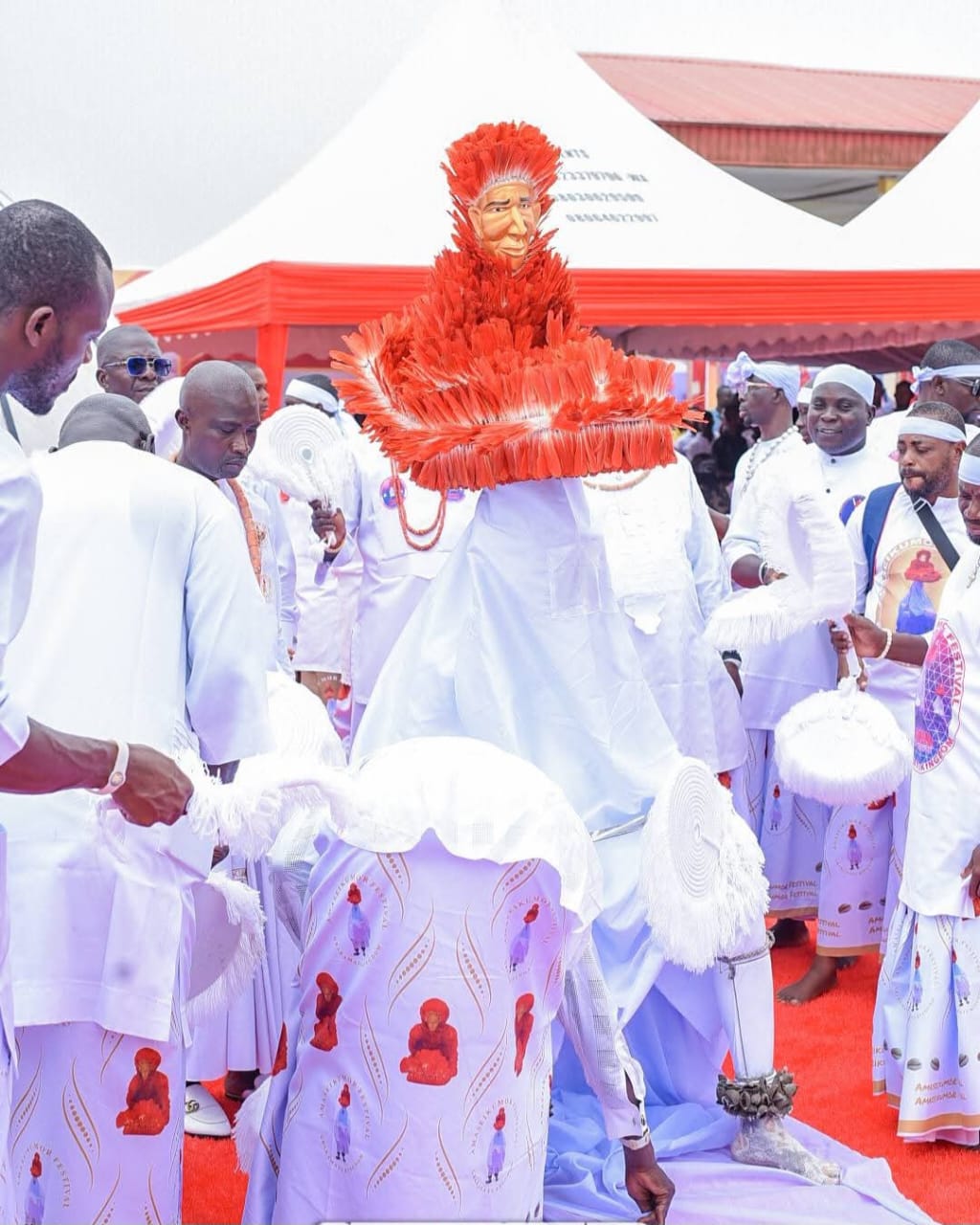
The grand finale of the 2026 edition of the Amaseikumor Festival, held on April 11 in the historic Ijaw city of Oporoza, once again reaffirmed the enduring relevance of cultural heritage as both a spiritual compass and a socio-economic catalyst. The week-long celebration, hosted in the traditional headquarters of the Gbaramatu Kingdom in Warri South West Local Government Area of Delta State, brought together a remarkable blend of tradition, spirituality, and modern influence.
For centuries, the Amaseikumor masquerade has stood as a profound symbol of Ijaw cosmology—representing purification, justice, and communal renewal. Its 2026 outing like every other, was not merely a festival but a reaffirmation of identity, echoing the deep-rooted sagacity and spiritual consciousness of the Gbaramatu kingdom and indeed, Ijaw people.
Cultural Significance Beyond Celebration
In recent years, the Amaseikumor Festival has evolved beyond a local cultural display into a major national and international attraction. It has significantly contributed to the resurgence of cultural tourism in the Niger Delta and beyond. Observers note that the festival aligns with broader efforts across Nigeria to preserve indigenous traditions while harnessing them for economic growth.
The masquerade, often described as “the cleanser of the Ijaw nation,” embodies a sacred mission. Its symbolic procession—accompanied by a subordinate “sweeper” masquerade—is believed to cleanse the land of negativity, including conflict, disease, and misfortune. This spiritual interpretation resonates strongly with adherents who view the festival as a divine intervention in societal affairs.
Convergence of Influence and Prestige
The 2026 edition witnessed an impressive gathering of dignitaries across sectors. Among notable attendees were the Governor of Delta State ably represented by his Deputy, Chief Monday Oyeme among many high-level dignitaries from the National Assembly, traditional institutions and more. It remains cogent on record that previous editions have attracted globally celebrated leaders like former Nigerian President Goodluck Jonathan, traditional rulers including His Imperial Majesty , Oba Enitan Ogunwusi, the revered Ooni of ancient Ife, political leaders, captains of industry, and globally recognized entertainers.
From the entertainment world, figures such as Davido and Nkem Owoh added glamour to the event, while business magnates and industry leaders underscored its economic relevance. This convergence of influence highlights the festival’s growing stature as a melting pot of culture, commerce, and leadership.
Spirituality and Socio-Economic Impact
Beyond the spectacle lies a deeply spiritual narrative that continues to shape the beliefs and aspirations of many. Devotees attribute personal and communal successes to the influence of the Amaseikumor tradition. Prominent figures such as Government Ekpemupolo, Dennis Otuaro, and Kestin Pondi are often cited as embodiments of the blessings associated with the cultural institution.
While such claims remain matters of faith, there is no denying the festival’s tangible contributions to local economies. Increased visitor inflow stimulates hospitality, transportation, and small-scale commerce, creating opportunities for residents and boosting regional visibility.
A Call for Sustained Cultural Investment and National Adoption
The Amaseikumor Festival stands as a compelling case for the preservation and promotion of indigenous heritage. As Nigeria continues to navigate “glocalization,” cultural assets like Amaseikumor offer a unique avenue for national branding, unity, and economic diversification. It is therefore a good time to call on the Federal Government through its Ministry of Culture and Tourism to adopt Amaseikumor as a “National Festival” taking advantage of not only its reach cultural brand but also the territorial ambience and serenity of the Niger Delta swamps and Atlantic coastlines to attract tourists from across the world.
Other stakeholders—state government, private sector, and cultural custodians—must therefore prioritize investment in infrastructure, security, and documentation to sustain and expand the festival’s impact. Proper structuring could elevate it to the status of globally recognized cultural festivals.
Road to Amaseikumor 2027
As the echoes of drums fade and the masquerade retreats into sacred seclusion, one message remains clear: Amaseikumor is more than a festival—it is a living tradition, a spiritual institution, and a beacon of cultural pride fro the blessedlyproud Ijaw people in general and the Gbaramatus in particular.
For those seeking authentic cultural reconnection, spiritual reflection, and a convergence of Nigeria’s finest across sectors, Oporoza remains an unmatched destination. With anticipation already building for the next edition, the legacy of Amaseikumor continues to grow—rooted in the past, thriving in the present, and poised for a global future.
Written by:
Prince (Dr.) Peretengboro Klintin Bibaikefie
Editor-in-Chief, IduwiniVoice
By Ben. Binebai
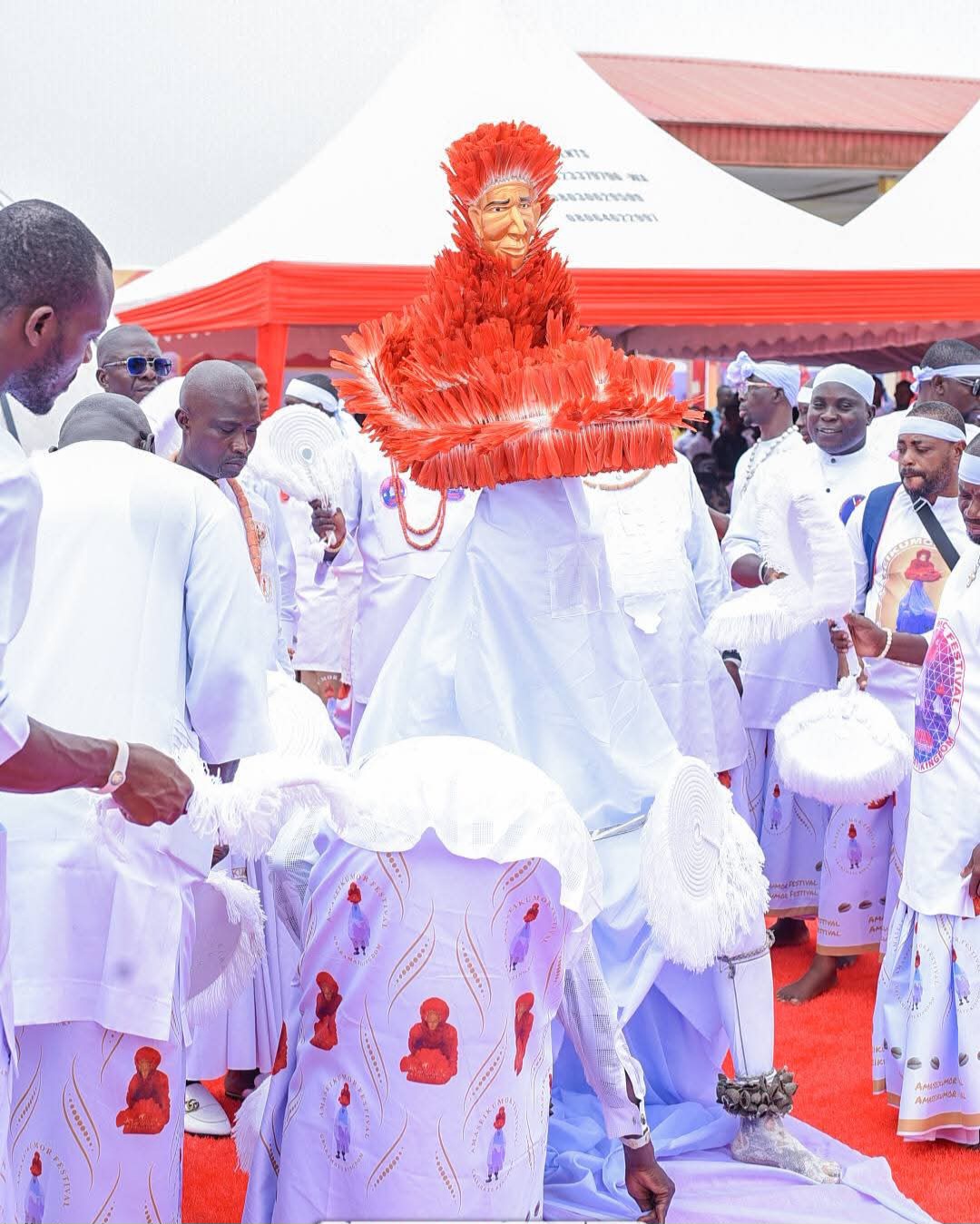
The Amaseikumor Festival is a magnificent tapestry of tradition, a veritable confluence where the sacred and the secular entwine in exquisite harmony. It is, in its quintessence, a festival of purity—an unblemished rite that scours the soul of the land. It is a festival of culture, wherein the ancient cadences of our forebears find renewed utterance; a festival of spiritual rejuvenation, where weary spirits are anointed anew at the altar of ancestral grace.
Amaseikumor is a festival that has its megastar hanging and shinning brighly in the sky, a festival of peace, of unity, and of prosperity—a trinity of virtues that, like a masterfully composed triad, adorns the communal soul. It is a festival of love and fraternity, a luminous bridge between man and the legendary animist beings who, from time immemorial, have watched over our creeks and forests. Indeed, it erects intertidal bridges—linking epochs, lineages, and realms—whilst standing as a clarion of cultural affirmation and religious awakening. Here, the covenant betwixt mortals and the divine is not merely remembered but vivified; a healthful and functional communion with the gods is both established and exalted.
The festival bears the imprimatur of the heavens, most memorably during its revival years. In the wondrous year of 2018, when I was accorded the rare and humbling privilege of delivering a lecture, the firmament itself bore witness: thunder intoned its celestial approbation, the heavens darkened in reverent solemnity, and delicate droplets—veritable tears of divine joy—descended upon the congregants. That epiphanic moment was greeted with an impromptu Ogele, as the gallant youths of Gbaramatu, moved by an ecstasy beyond articulation, gave voice to the rapture of the land.
As the parent festival of Gbaramatu, Amaseikumor is not merely a ritual observance; it is a living vestige heritage, a guiding star of identity, and a festival imbued with prodigious tourism potential. To behold it is to witness culture in its most numinous and unadulterated form—a grand pageant where myth, memory, and modernity dance in perennial embrace.
By: Editorial Team
The United Arab Emirates (UAE), often hailed as a beacon of modern development in the Middle East, is a federation of seven emirates—each with its own distinct history, ruler, and cultural identity. Since its unification in 1971, the UAE has stood as a rare example of how traditional monarchies can collaborate to build a stable and globally respected nation.
At the heart of the federation lies Abu Dhabi, the capital and largest emirate, known for its vast oil wealth and political influence. The Al Nahyan family, which leads Abu Dhabi, has played a central role in shaping the UAE’s national vision and foreign policy. The current President of the UAE traditionally comes from this emirate, underscoring its leadership within the union.
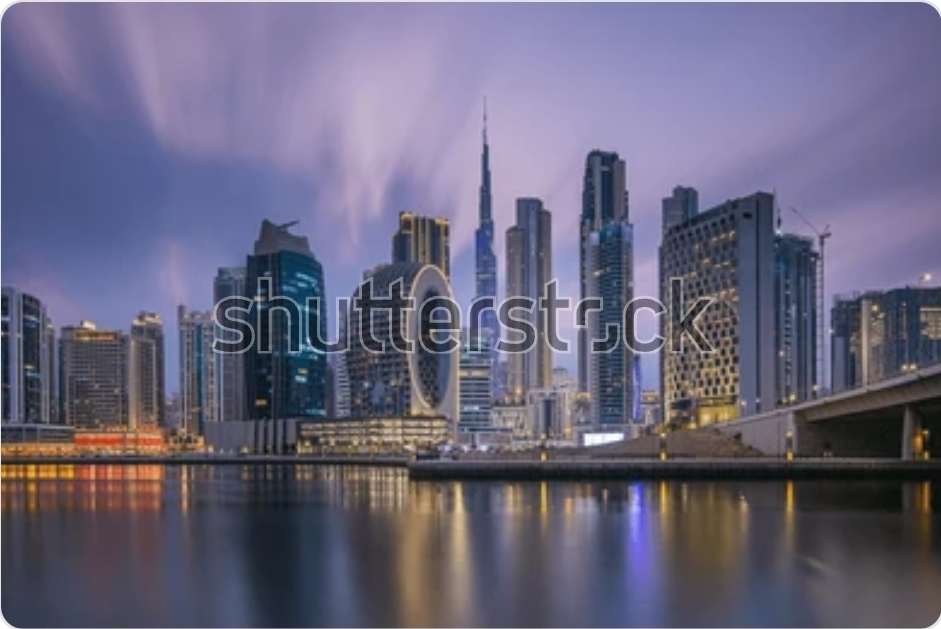
Dubai, the shining star of the federation, represents ambition and innovation. Under the leadership of the Al Maktoum family, Dubai has transformed from a desert outpost into a global hub for finance, tourism, and technology. Its breathtaking skyline, led by the Burj Khalifa, has become a symbol of Arab progress and resilience.
Moving beyond the two powerhouses, Sharjah distinguishes itself as the cultural and educational capital of the UAE. Led by the Al Qasimi family, it has preserved the emirates’ artistic heritage while promoting academic excellence through its numerous universities and museums.
The smaller emirates-Ajman, Umm Al-Quwain, Ras Al Khaimah, and Fujairah-each add unique character and strength to the federation. Ajman, the smallest, thrives on trade and manufacturing; Umm Al-Quwain offers a peaceful charm along its quiet shores; Ras Al Khaimah, nestled against the Hajar Mountains, is known for its natural beauty and growing industrial base; and Fujairah, facing the Gulf of Oman, plays a strategic maritime role in the region’s economy.
Despite their differences in size and resources, the seven emirates remain bound by shared values, mutual respect, and visionary leadership.Their collective success story reflects not only unity but also the ability to balance tradition with progress.
Over five decades after its founding, the UAE continues to prove that cooperation among monarchies can yield a modern, forward-looking state-one that honors its past while boldly stepping into the future. The federation’s model of governance offers an enduring lesson in leadership, stability, and nation-building in a region often defined by division.
Photo Credit: shuterstock