
Editorial
NIGER-DELTA AVENGERS (NDA): AVENGING ON THE FRAUDULENT AND NEO-COLONIZED NIGERIAN STATE TO “MEND” THE INJUSTICE DONE THE NIGER-DELTA OVER THE DECADES IN ORDER TO BRING ABOUT FREEDOM.

NIGER-DELTA AVENGERS (NDA):
AVENGING ON THE FRAUDULENT AND NEO-COLONIZED NIGERIAN STATE TO “MEND” THE INJUSTICE DONE THE NIGER-DELTA OVER THE DECADES IN ORDER TO BRING ABOUT FREEDOM.
In the Bible book of Matthew 22 : 21, Jesus Christ told the Pharisees, their disciples and Herodians, “Render therefore unto Caesar the things which are Caesar’s; and unto God the things that are God’s – King James Version,
On his own, former reggae maestro and rastafarian, late Peter Markin -Tosh, in one of his musical albums titled “Equal Rights”, sang as follows:
“Everyone is crying out for peace yes,
None is crying out for justice.
Everyone is crying out for peace yes,
Non is crying out for justice.
I don’t want no peace,
I need equal rights and justice”.
In line with the above quotes, when Groundnut, Cocoa and Coal were the economic mainstay of the defunct Northern, Western and Eastern regions respectively in the defunct first republic, the proceeds from these resources were used to develop the aforementioned regions. Similarly, when the defunct Midwestern region was created, though to weaken late Chief Obafemi Awolowo’s political empire, the new region’s bills were paid from the proceeds of Palm-oil, Rubber and Timber, that were in abundance or commercial quantity in the region.
Conversely, when Crude-Oil was discovered in commercial quantity at Oloibiri, an Ijaw town in the defunct Eastern Region and present day Bayelsa State of the Niger-Delta (South-south geopolitical zone), the music of fiscal federalism or resource control changed. Crude-oil became an exclusive natural resource of the Federal Government and it’s proceeds collected, controlled and shared at the discretion of the Federal Government to itself, the States and Local Government Councils. What a daylight robbery! Over the decades, Crude-oil and Gas have been discovered all over the Niger-Delta, and they have since become the economic mainstay of Nigeria, paying or accounting for over 80% of her bills.
While derivation was 50% in the defunct first republic during the Groundnut, Cocoa, Coal, Palm-oil, Timber, Tin and other natural economic resources era, military adventurers abolished derivation on their incursion into governance. After decades of peaceful protests and agitations by the Niger-Deltans for fair share of their God-given Oil wealth, a paltry 1.5% derivation was introduced by President Alhaji Shehu Aliyu Usman Shagari’s government of the defunct second republic (1979 -1983), later increased to 3% by the General Ibrahim Badamasi Babangida’s bloodthirsty and dictatorial government of 1986 -1993, and now 13%, as agreed by the oppressive and repressive three most populated tribes of Hausa-Fulani, Yoruba and Ibo in the General Abdulsalami Abubakar led dictatorial military imposed 1999 Constitution.
Although, the Federal Government has since established interventionist agencies like Niger-Delta Development Commission (NDDC), Ministry of Niger-Delta Affairs (MNDA) and Presidential Amnesty Programme (PAP) for the development of the Niger-Delta.
Unfortunately, these agencies are merely established to deceive the people and the international community, as they are not adequately funded to achieve desired goals or at least develop the Niger-Delta like Northern and Western Nigeria.
To buttress my claim, I had that only a paltry N41 Billion is allocated to the Niger-Delta Development Commission (NDDC) for infrastructural and human capital development in the Niger-Delta (nine Oil producing states) in this year’s budget. Similarly, Ministry of Niger-Delta Affairs (MNDA) and the Presidential Amnesty Programme (PAP) are allocated with a paltry N19 Billion and N20 Billion respectively. In other words, the total sum allocated to the three interventionist agencies to develop the nine Niger-Delta (oil producing states) is a paltry N80 Billion.
It is sad to note that Nigerians who are not from the Niger-Delta and the international community, see this paltry N80 Billion allocated to the three interventionist agencies to develop the Niger-Delta (nine oil producing states) from the multi-trillion Petrodollars accruing to the Federation Account from the Niger-Delta Oil and Gas, as very much enough. Whereas, Ecological Fund, which is mainly spent to fight desertification in Northern Nigeria, while the Niger-Delta and Southeastern Nigeria erodes away, is allocated N800 Billion in this years budget. As usual, the budgetary allocations to each of the three northern geopolitical zones of northwest, northeast and north-central, as well as southwest is 100% more than what is allocated to the Niger-Delta States (South-south geopolitical zone).
Besides, summing up the monthly allocation from the federation account through Oil and Gas proceeds to Kano State and her 46 Local Government Councils alone in Northern Nigeria could be equal to, if not more than the allocation going to three or more Niger-Delta States, such as Ondo, Edo, Cross River and Bayelsa, and their Local Government Areas put together.
To further appreciate the point I am making, few weeks back, Lagos State Government announced N844 Billion to build the forth Lagos Mainland Bridge, which will be sponsored with the Niger-Delta Petrodollars going to Lagos State as allocation from the Federation Account. Painfully, the criminal Nigerian State has refused to construct the about 30 kilometres road from Warri to Forcados, an Oil and Gas rich coastal town by the Atlantic Ocean, which hosts Nigeria’s Oil Export Terminal with lots of Oil-wells and a very big Oil Tank Farm. A road that has been proposed over four decades ago!
Main while, with the establishment of the Northeast Development Commission, a geopolitical zone deliberately destroyed by their terrorist natives for no cogent reason(s), you sure won’t be surprised seeing this criminal Nigerian State and her Rulers allocating a quarter of the national budget, which is implemented with the Petrodollars from the Niger-Delta to the Northeast development.
Apart from being the forth most populated tribe in the contraption called Nigeria, Ijaw land has the highest Oil, Gas and other natural resources concentration in her bowel than any other land in Nigeria. Sadly, the Ijaw ethnic nation was balkanized into the defunct Western, Eastern and Midwestern Regions. As against the wishes of the Ijaws, the subsequent creation of states by military adventurers like Yakubu Gowon, Ibrahim Badamasi Babangida and late Sanni Abacha, further balkanized the Ijaw ethnic nation into six states of Ondo, Edo, Delta, Bayelsa, Rivers and Akwa-Ibom.
In line with the satanic agenda of the Hausa-Fulani neo-colonialists and their Yoruba stooges against the Ijaw ethnic nation, the Ijaws are now minority even in the Niger-Delta States, a geopolitical zone they are in majority, save for Bayelsa and Rivers States. Very disheartening!
Undoubtedly, this has adversely affected development of the Ijaw ethnic nation in no small measure, knowing that government is the highest spender in all the third world countries the world over.
It may interest the international community, particularly, the civilized democracies like the United States of America (USA), United Kingdom (UK), France, Canada, Russia, Japan, China, etcetera, to know that the Ijaw ethnic nation with her abundant human and natural resources, particularly, Oil and Gas, which accounts for about 80% of Nigeria’s income and pays her bills, is not seen as part of Nigeria by the Nigerian State and her Rulers. This is predicated upon the following reasons:
- That, 99.99% of the entire Ijaw land is not connected to other parts (ethnic nations) of Nigeria by road network, in spite of the fact that all roads in Nigeria, including federal, states and local government council roads are constructed with the Petrodollars from the bowel of Ijaw land;
- That, it’s only the Ijaw ethnic nation that is not connected to Nigeria’s national grid, in spite of the fact that Nigeria’s power and energy are generated mostly from the abundant Gas reserves in Ijaw land. The Minister of Power, Works and Housing, Babatude Raji Fashola confirmed this claim when he said that, “Out of Nigeria’s 26 Power Plants, 23 are run with Gas from the Niger-Delta, hence there is power outage in the country with Niger-Delta Avengers (NDA) blowing up Oil installations;
- That, there was no single higher institution of learning in the length and breadth of Ijaw land till the late Diepreye Solomon Peters Alamienyeseigha (PhD.), former Governor of Bayelsa State/Governor-General of the Ijaw ethnic nation established the Bayelsa State Government owned Niger-Delta University at Wilberforce Island, Bayelsa State;
- That, there was no single federal higher institution of learning in the entire Ijaw land till Nigeria’s former President Goodluck Jonathan (PhD.) established a federal university at Otuoke, Bayelsa State, along with nine Universities in the North, two in the Southwest and one in Southeast Nigeria, making every state in Nigeria have a federal university;
- That, the Maritime University established by the former President , Goodluck Jonathan (PhD.) at Okerenkoko, an Ijaw coastal town by the Atlantic Ocean in the Oil and Gas rich Gbaramatu Kingdom of Warri Southwest Local Government Area, Delta State, is at the brink of cancellation by the Muhammadu Buhari led federal government;
- That, there is no single Teaching or Specialist Hospital in the whole Ijaw land, in spite of frequent outbreak of diseases (epidemic) in Ijaw land due to Oil exploration, drilling and spillages, which contaminates and pollutes the environment. Whereas, there are lots of Teaching and Specialist Hospitals in the Northwest, Northeast, North-central, Southwest and Southeast, whose bills are paid with the Petrodollars from the bowel of Ijaw land;
- That, 80% of the Oil blocks in Ijaw land have been shared or allocated to the Hausa-Fulanis, who are in the arid and rocky/mountainous Northern Nigeria, where there is no Oil. The remaining 20% is allocated to the Yoruba and Ibo ethnic groups of Southwest and Southeast, leaving non for the Ijaws, on whose land majority of the Oil and Gas is naturally deposited;
- That, all the management staff, senior, middle and junior cadre of Oil and Gas workers in Ijaw land and their company offices far away in Lagos and Abuja are exclusively occupied or reserved for the Hausa-Fulanis, Yoruba and Ibos, leaving the Ijaws with a paltry 0.01% casual work with Oil Servicing Companies;
*That, as a result of Oil exploration, exploitation, spillages, etcetera, the entire Ijaw land has been contaminated and polluted to the extent that , the ecosystem, including marine life has been seriously damaged, and crops too can’t grow again;
- Human life is not exempted in the damage done the ecosystem of Ijaw land, as the average human lifespan which used to be between 70 years to 80 years is now between 45 years to 50 years.
The marginalization, degradation, oppressive and repressive acts meted the Ijaw ethnic nation by the criminal Nigerian State and her Rulers are countless. However, for your benefit, the reader, I leave the rest evil the Ijaws have been forcefully subjected to over the decades for you to imagine.
Corollary to the above, the Niger-Delta Avengers (NDA) who are a group of highly educated young Niger-Deltans, with no hope about their future and confidence in the criminal Nigerian State are agitating for total freedom (resource control) rather than a fair share of their God-given resources by blowing-up Oil facilities. Obviously, this is as a result of the failure of peaceful protests their parents embarked on in the past but where brutally murdered by the criminal Nigerian State and her Rulers. The brutal murderer of Major Isaac Jasper Adaka Boro after using him to defend the territorial integrity of Nigeria during the Nigerian civil war, from the coastal axis, Kenule Saro-Wiwa and the Ogoni nine and lots of others which are still ongoing is very fresh in the memory of the average Niger-Deltan.
From the modus operandi of the Niger-Delta Avengers (NDA), which is mainly on crippling the Nigerian Economy, than killing innocent and defenceless people with reckless abandon, like the criminal Nigerian State, Boko Haram (a terrorist group in Northern Nigeria) and Muhammadu Buhari’s Fulani kinsmen terrorists, masquerading as Herdsmen, it is crystal clear that they are fighting to free the entire Niger-Delta from the shackles of neo-colonialism and eminent Islamization by the fraudulent Nigerian State, the Hausa-Fulani Jihadists/Terrorists of Northern Nigeria and their Yoruba stooges of Southwest Nigeria.
Therefore, any Niger-Deltan, particularly, Ijaw man, who is against the Niger-Delta Avengers (NDA) is under mental slavery, which is the worse form of slavery. This form of slavery gives “you the illusion of freedom, makes you trust, love and defend your oppressor(s), while making an enemy of those who are trying to free you or open your eyes”.
Ordinarily, “People don’t want to hear the truth because they don’t want their illusions destroyed” – Friedrich Nietzsche.
On his part, George Orwell said that, “The further a society drifts from the truth, the more it will hate those who speak it”.
In situations like what is happening now in Nigeria , as it affects the Niger-Delta, particularly, Ijaw land, Emiliano Zapata has this to say: That, “If there is no justice for the people , let there be no peace for the government”.
Main while, Malcolm X said that, “Nobody can give you freedom. Nobody can give you equality and justice. If you are a man, you take it”.
Therefore, the Niger-Delta Avengers (NDA), who are avenging on the criminal Nigerian State and her Rulers in order to bring about equal rights and justice for the Niger-Deltans are patriots that should be held in high esteem, encouraged and supported. In fact, all Niger-Deltans should be proud to be part of the Niger-Delta struggle for freedom, than condemning the freedom fighters.
After all, in the eyes of Muhammadu Buhari, Boko Haram members are good people and very dear to Northern Nigeria. Hence, he said in ThisDay Newspaper that, “Military offensive against Boko Haram, anti-north”. A northern terrorist group that has brutally killed over 20,000 innocent and defenceless Nigerians with reckless abandon?
Similarly, the Minister of Interior, General Abdulrahman Dambazou, said in Channels Television that, “Deployment of military to combat Herdsmen menace was not an option because the situation has not overwhelmed the police yet”. Another northern terrorists group that has brutally killed over 3,000 innocent and defenceless Nigerians in cold-blood, like their Boko Haram counterparts?
In view of the above, I make bold to say that, military offensive against Niger-Delta Avengers (NDA) is anti-Niger-Delta, particularly, the Ijaw ethnic nation, which has turned battle field for emancipation of the Niger-Delta.
To the oppressive and repressive criminal Nigerian State and her Rulers, even the Holy Quran say in Sura 42 verse 41 that, “All those that fight when oppressed incur no guilt, but Allah shall punish the oppressors”.
GET UP, STAND UP,
STAND UP FOR YOUR RIGHTS.
GET UP, STAND UP,
DON’T GIVE-UP TO FIGHT…Peter Markin-Tosh.
NIGER-DELTA! NIGER-DELTA!! NIGER-DELTA!!!
FREEDOM IS COMING SOON!
- Hon. Edumogiren Austin is a political analyst and public commentator.



Editorial
Amaseikumor Festival: A Cultural Renaissance Rooted in Spiritual Heritage and Regional Influence
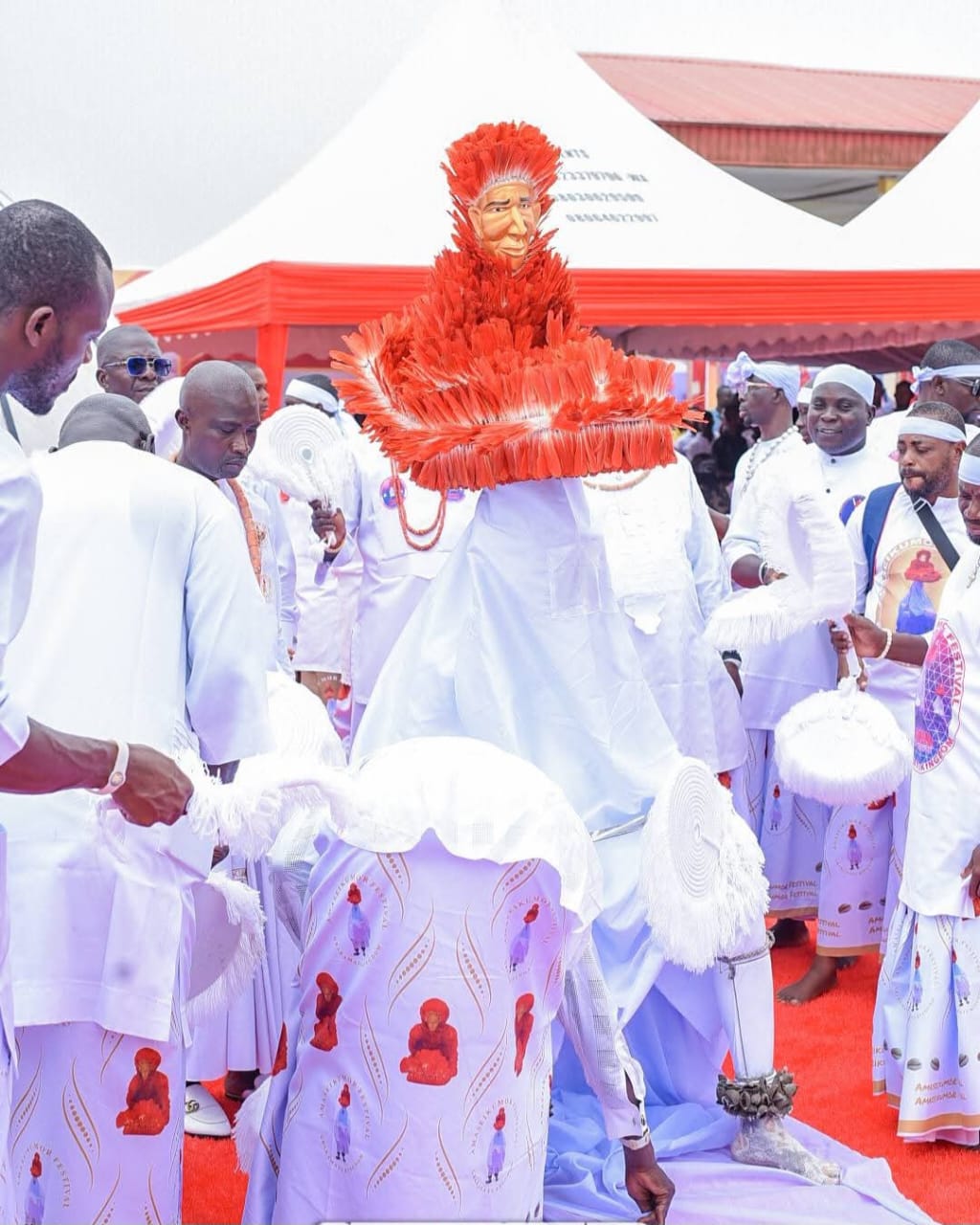
The grand finale of the 2026 edition of the Amaseikumor Festival, held on April 11 in the historic Ijaw city of Oporoza, once again reaffirmed the enduring relevance of cultural heritage as both a spiritual compass and a socio-economic catalyst. The week-long celebration, hosted in the traditional headquarters of the Gbaramatu Kingdom in Warri South West Local Government Area of Delta State, brought together a remarkable blend of tradition, spirituality, and modern influence.
For centuries, the Amaseikumor masquerade has stood as a profound symbol of Ijaw cosmology—representing purification, justice, and communal renewal. Its 2026 outing like every other, was not merely a festival but a reaffirmation of identity, echoing the deep-rooted sagacity and spiritual consciousness of the Gbaramatu kingdom and indeed, Ijaw people.
Cultural Significance Beyond Celebration
In recent years, the Amaseikumor Festival has evolved beyond a local cultural display into a major national and international attraction. It has significantly contributed to the resurgence of cultural tourism in the Niger Delta and beyond. Observers note that the festival aligns with broader efforts across Nigeria to preserve indigenous traditions while harnessing them for economic growth.
The masquerade, often described as “the cleanser of the Ijaw nation,” embodies a sacred mission. Its symbolic procession—accompanied by a subordinate “sweeper” masquerade—is believed to cleanse the land of negativity, including conflict, disease, and misfortune. This spiritual interpretation resonates strongly with adherents who view the festival as a divine intervention in societal affairs.
Convergence of Influence and Prestige
The 2026 edition witnessed an impressive gathering of dignitaries across sectors. Among notable attendees were the Governor of Delta State ably represented by his Deputy, Chief Monday Oyeme among many high-level dignitaries from the National Assembly, traditional institutions and more. It remains cogent on record that previous editions have attracted globally celebrated leaders like former Nigerian President Goodluck Jonathan, traditional rulers including His Imperial Majesty , Oba Enitan Ogunwusi, the revered Ooni of ancient Ife, political leaders, captains of industry, and globally recognized entertainers.
From the entertainment world, figures such as Davido and Nkem Owoh added glamour to the event, while business magnates and industry leaders underscored its economic relevance. This convergence of influence highlights the festival’s growing stature as a melting pot of culture, commerce, and leadership.
Spirituality and Socio-Economic Impact
Beyond the spectacle lies a deeply spiritual narrative that continues to shape the beliefs and aspirations of many. Devotees attribute personal and communal successes to the influence of the Amaseikumor tradition. Prominent figures such as Government Ekpemupolo, Dennis Otuaro, and Kestin Pondi are often cited as embodiments of the blessings associated with the cultural institution.
While such claims remain matters of faith, there is no denying the festival’s tangible contributions to local economies. Increased visitor inflow stimulates hospitality, transportation, and small-scale commerce, creating opportunities for residents and boosting regional visibility.
A Call for Sustained Cultural Investment and National Adoption
The Amaseikumor Festival stands as a compelling case for the preservation and promotion of indigenous heritage. As Nigeria continues to navigate “glocalization,” cultural assets like Amaseikumor offer a unique avenue for national branding, unity, and economic diversification. It is therefore a good time to call on the Federal Government through its Ministry of Culture and Tourism to adopt Amaseikumor as a “National Festival” taking advantage of not only its reach cultural brand but also the territorial ambience and serenity of the Niger Delta swamps and Atlantic coastlines to attract tourists from across the world.
Other stakeholders—state government, private sector, and cultural custodians—must therefore prioritize investment in infrastructure, security, and documentation to sustain and expand the festival’s impact. Proper structuring could elevate it to the status of globally recognized cultural festivals.
Road to Amaseikumor 2027
As the echoes of drums fade and the masquerade retreats into sacred seclusion, one message remains clear: Amaseikumor is more than a festival—it is a living tradition, a spiritual institution, and a beacon of cultural pride fro the blessedlyproud Ijaw people in general and the Gbaramatus in particular.
For those seeking authentic cultural reconnection, spiritual reflection, and a convergence of Nigeria’s finest across sectors, Oporoza remains an unmatched destination. With anticipation already building for the next edition, the legacy of Amaseikumor continues to grow—rooted in the past, thriving in the present, and poised for a global future.
Written by:
Prince (Dr.) Peretengboro Klintin Bibaikefie
Editor-in-Chief, IduwiniVoice
By Ben. Binebai
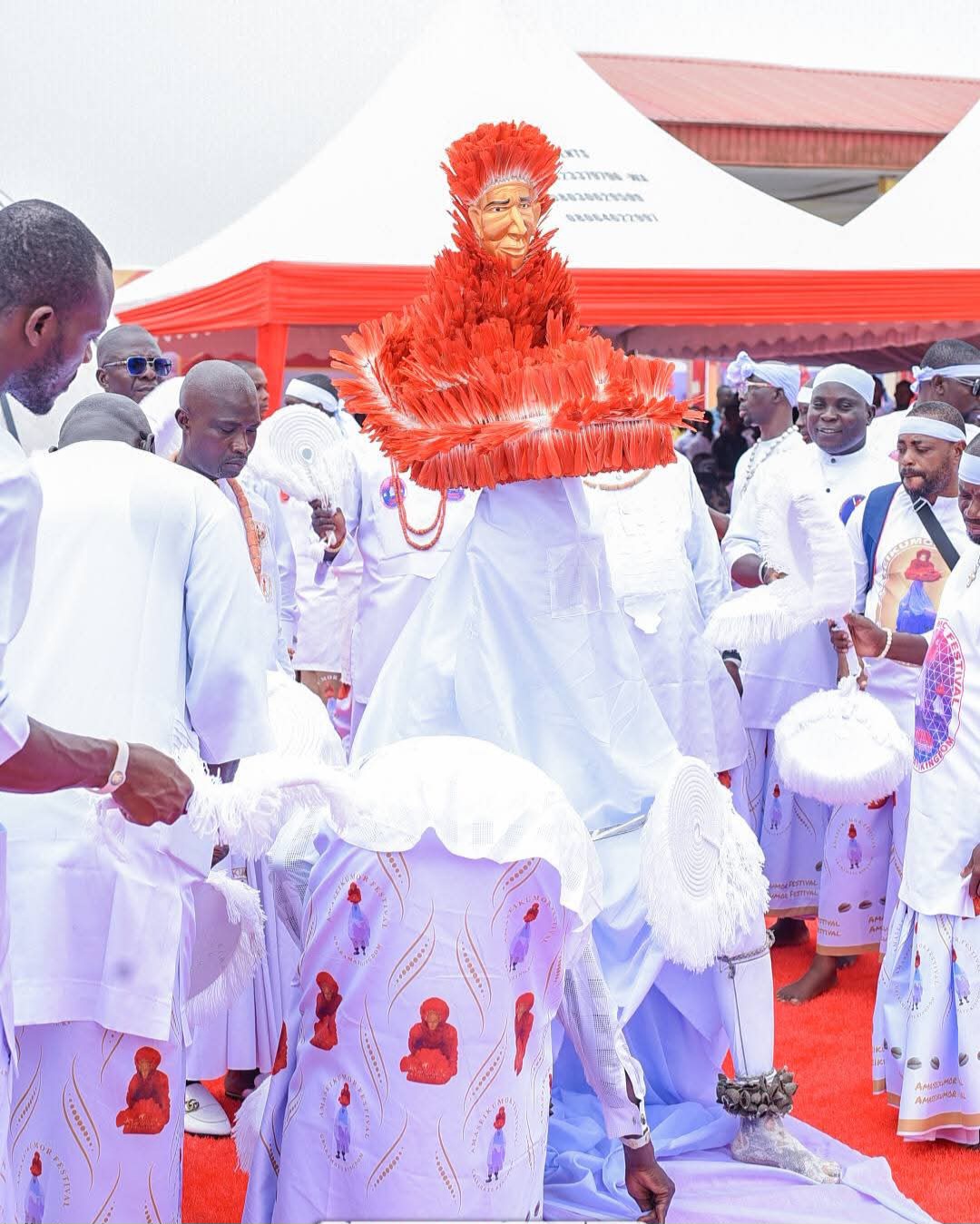
The Amaseikumor Festival is a magnificent tapestry of tradition, a veritable confluence where the sacred and the secular entwine in exquisite harmony. It is, in its quintessence, a festival of purity—an unblemished rite that scours the soul of the land. It is a festival of culture, wherein the ancient cadences of our forebears find renewed utterance; a festival of spiritual rejuvenation, where weary spirits are anointed anew at the altar of ancestral grace.
Amaseikumor is a festival that has its megastar hanging and shinning brighly in the sky, a festival of peace, of unity, and of prosperity—a trinity of virtues that, like a masterfully composed triad, adorns the communal soul. It is a festival of love and fraternity, a luminous bridge between man and the legendary animist beings who, from time immemorial, have watched over our creeks and forests. Indeed, it erects intertidal bridges—linking epochs, lineages, and realms—whilst standing as a clarion of cultural affirmation and religious awakening. Here, the covenant betwixt mortals and the divine is not merely remembered but vivified; a healthful and functional communion with the gods is both established and exalted.
The festival bears the imprimatur of the heavens, most memorably during its revival years. In the wondrous year of 2018, when I was accorded the rare and humbling privilege of delivering a lecture, the firmament itself bore witness: thunder intoned its celestial approbation, the heavens darkened in reverent solemnity, and delicate droplets—veritable tears of divine joy—descended upon the congregants. That epiphanic moment was greeted with an impromptu Ogele, as the gallant youths of Gbaramatu, moved by an ecstasy beyond articulation, gave voice to the rapture of the land.
As the parent festival of Gbaramatu, Amaseikumor is not merely a ritual observance; it is a living vestige heritage, a guiding star of identity, and a festival imbued with prodigious tourism potential. To behold it is to witness culture in its most numinous and unadulterated form—a grand pageant where myth, memory, and modernity dance in perennial embrace.
By: Editorial Team
The United Arab Emirates (UAE), often hailed as a beacon of modern development in the Middle East, is a federation of seven emirates—each with its own distinct history, ruler, and cultural identity. Since its unification in 1971, the UAE has stood as a rare example of how traditional monarchies can collaborate to build a stable and globally respected nation.
At the heart of the federation lies Abu Dhabi, the capital and largest emirate, known for its vast oil wealth and political influence. The Al Nahyan family, which leads Abu Dhabi, has played a central role in shaping the UAE’s national vision and foreign policy. The current President of the UAE traditionally comes from this emirate, underscoring its leadership within the union.
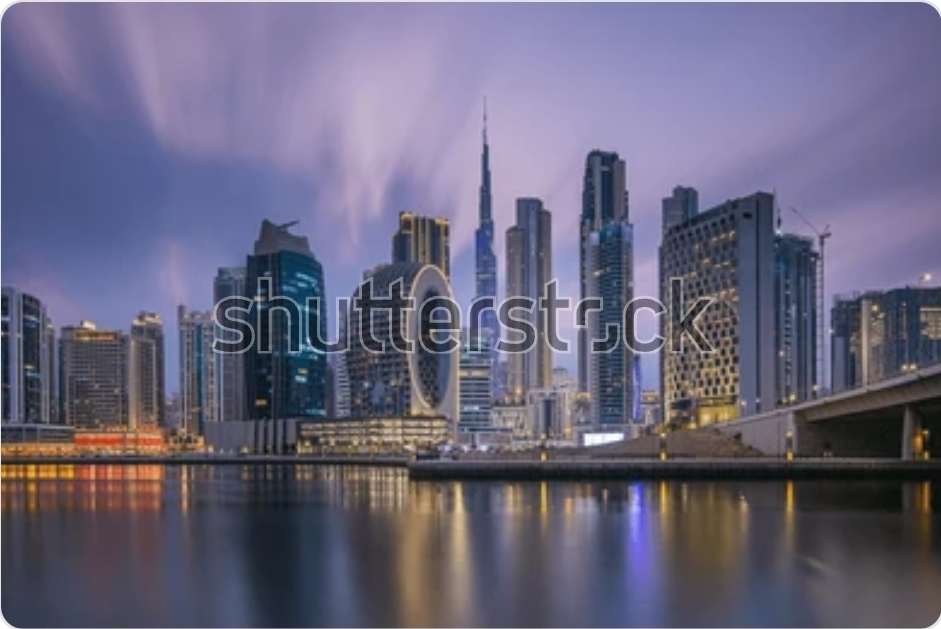
Dubai, the shining star of the federation, represents ambition and innovation. Under the leadership of the Al Maktoum family, Dubai has transformed from a desert outpost into a global hub for finance, tourism, and technology. Its breathtaking skyline, led by the Burj Khalifa, has become a symbol of Arab progress and resilience.
Moving beyond the two powerhouses, Sharjah distinguishes itself as the cultural and educational capital of the UAE. Led by the Al Qasimi family, it has preserved the emirates’ artistic heritage while promoting academic excellence through its numerous universities and museums.
The smaller emirates-Ajman, Umm Al-Quwain, Ras Al Khaimah, and Fujairah-each add unique character and strength to the federation. Ajman, the smallest, thrives on trade and manufacturing; Umm Al-Quwain offers a peaceful charm along its quiet shores; Ras Al Khaimah, nestled against the Hajar Mountains, is known for its natural beauty and growing industrial base; and Fujairah, facing the Gulf of Oman, plays a strategic maritime role in the region’s economy.
Despite their differences in size and resources, the seven emirates remain bound by shared values, mutual respect, and visionary leadership.Their collective success story reflects not only unity but also the ability to balance tradition with progress.
Over five decades after its founding, the UAE continues to prove that cooperation among monarchies can yield a modern, forward-looking state-one that honors its past while boldly stepping into the future. The federation’s model of governance offers an enduring lesson in leadership, stability, and nation-building in a region often defined by division.
Photo Credit: shuterstock