
Editorial
Unlocking Opportunities: Five Skills That Pave the Way to a UK Visa.


Unlocking Opportunities: Five Skills That Pave the Way to a UK Visa.
By Admin.
In the dynamic landscape of global migration, the United Kingdom continues to attract individuals with specific skill sets, offering a gateway to new opportunities. Securing a UK visa is not solely contingent on academic qualifications; a range of skills can significantly enhance your prospects. Here are five skills that can open doors to a UK visa:
Tech Prowess:
With the UK’s thriving technology sector, expertise in fields such as software development, data science, and cybersecurity is highly sought after. Skilled tech professionals can find themselves in demand, whether working for established companies or contributing to the vibrant startup ecosystem.
Healthcare Proficiency:
The ongoing demand for healthcare professionals makes this sector a promising avenue for visa seekers. Qualified doctors, nurses, and healthcare specialists play a vital role in the UK’s robust healthcare system, and opportunities abound for those with the right qualifications and experience.
Innovative Entrepreneurship:
The UK values innovation and entrepreneurship, making it an ideal destination for those with a track record of successful ventures. Entrepreneurs who can demonstrate a viable business plan, innovation, and the potential for job creation may find themselves eligible for entrepreneur or investor visas.
Language Mastery:
Proficiency in English remains a cornerstone for visa eligibility. The ability to communicate effectively in English, both in written and spoken form, enhances employability and overall integration into the UK society. Language skills are often assessed through standardized tests like the IELTS.
Specialized Arts and Culture Expertise:
The UK’s rich cultural scene provides opportunities for individuals with expertise in the arts, including performers, artists, and cultural specialists. Those who can demonstrate exceptional talent and recognition in their field may qualify for visas designed to foster cultural exchange.
It’s crucial to note that while possessing these skills can increase your chances, navigating the visa process requires careful attention to specific requirements and regulations. Consulting with immigration professionals and staying informed about policy changes is essential for a successful visa application.
As the UK continues to welcome skilled individuals from around the world, those equipped with the right skills can embark on a journey that not only enhances their professional growth but also contributes to the diverse tapestry of the United Kingdom.

Editorial
Amaseikumor Festival: A Cultural Renaissance Rooted in Spiritual Heritage and Regional Influence
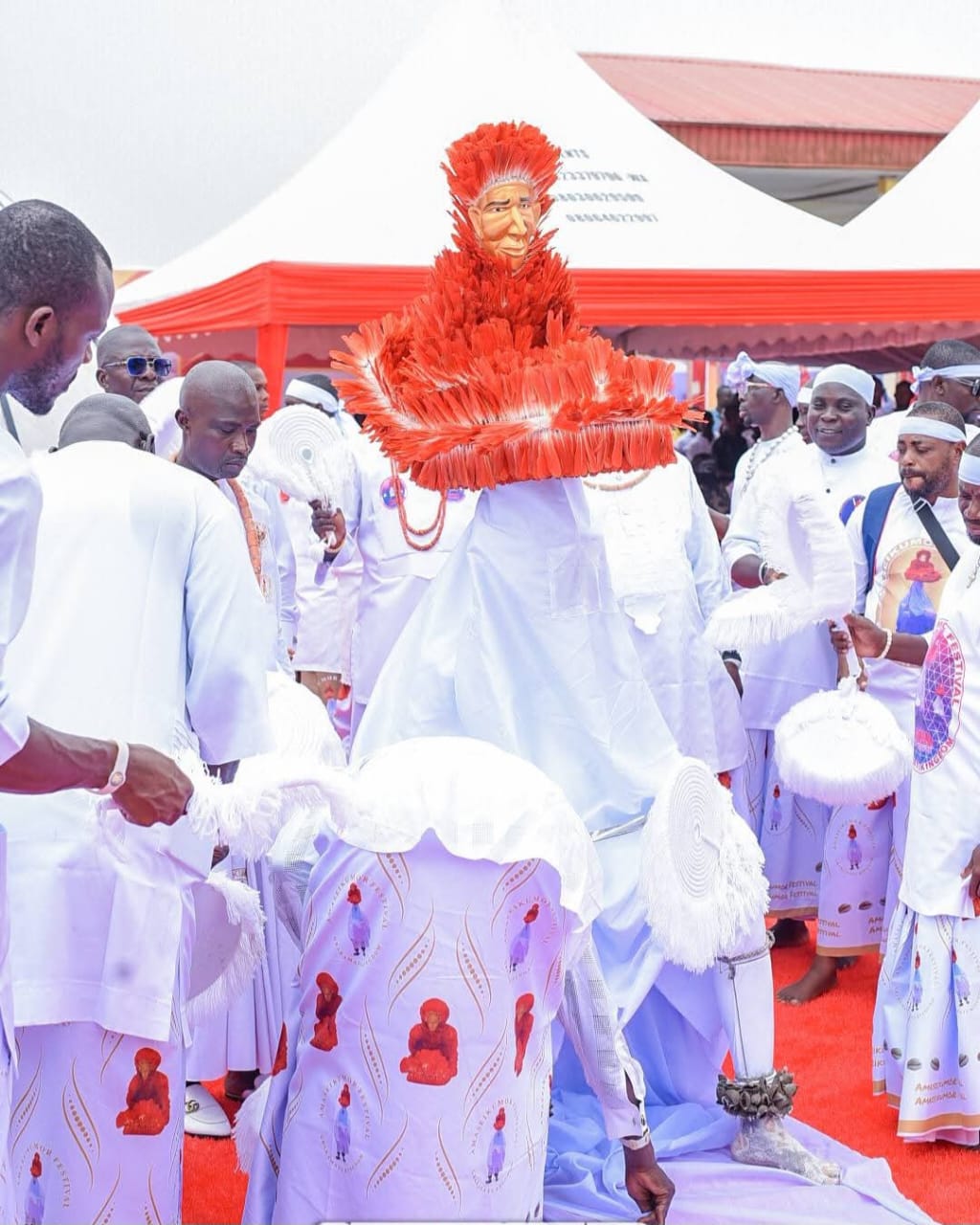
The grand finale of the 2026 edition of the Amaseikumor Festival, held on April 11 in the historic Ijaw city of Oporoza, once again reaffirmed the enduring relevance of cultural heritage as both a spiritual compass and a socio-economic catalyst. The week-long celebration, hosted in the traditional headquarters of the Gbaramatu Kingdom in Warri South West Local Government Area of Delta State, brought together a remarkable blend of tradition, spirituality, and modern influence.
For centuries, the Amaseikumor masquerade has stood as a profound symbol of Ijaw cosmology—representing purification, justice, and communal renewal. Its 2026 outing like every other, was not merely a festival but a reaffirmation of identity, echoing the deep-rooted sagacity and spiritual consciousness of the Gbaramatu kingdom and indeed, Ijaw people.
Cultural Significance Beyond Celebration
In recent years, the Amaseikumor Festival has evolved beyond a local cultural display into a major national and international attraction. It has significantly contributed to the resurgence of cultural tourism in the Niger Delta and beyond. Observers note that the festival aligns with broader efforts across Nigeria to preserve indigenous traditions while harnessing them for economic growth.
The masquerade, often described as “the cleanser of the Ijaw nation,” embodies a sacred mission. Its symbolic procession—accompanied by a subordinate “sweeper” masquerade—is believed to cleanse the land of negativity, including conflict, disease, and misfortune. This spiritual interpretation resonates strongly with adherents who view the festival as a divine intervention in societal affairs.
Convergence of Influence and Prestige
The 2026 edition witnessed an impressive gathering of dignitaries across sectors. Among notable attendees were the Governor of Delta State ably represented by his Deputy, Chief Monday Oyeme among many high-level dignitaries from the National Assembly, traditional institutions and more. It remains cogent on record that previous editions have attracted globally celebrated leaders like former Nigerian President Goodluck Jonathan, traditional rulers including His Imperial Majesty , Oba Enitan Ogunwusi, the revered Ooni of ancient Ife, political leaders, captains of industry, and globally recognized entertainers.
From the entertainment world, figures such as Davido and Nkem Owoh added glamour to the event, while business magnates and industry leaders underscored its economic relevance. This convergence of influence highlights the festival’s growing stature as a melting pot of culture, commerce, and leadership.
Spirituality and Socio-Economic Impact
Beyond the spectacle lies a deeply spiritual narrative that continues to shape the beliefs and aspirations of many. Devotees attribute personal and communal successes to the influence of the Amaseikumor tradition. Prominent figures such as Government Ekpemupolo, Dennis Otuaro, and Kestin Pondi are often cited as embodiments of the blessings associated with the cultural institution.
While such claims remain matters of faith, there is no denying the festival’s tangible contributions to local economies. Increased visitor inflow stimulates hospitality, transportation, and small-scale commerce, creating opportunities for residents and boosting regional visibility.
A Call for Sustained Cultural Investment and National Adoption
The Amaseikumor Festival stands as a compelling case for the preservation and promotion of indigenous heritage. As Nigeria continues to navigate “glocalization,” cultural assets like Amaseikumor offer a unique avenue for national branding, unity, and economic diversification. It is therefore a good time to call on the Federal Government through its Ministry of Culture and Tourism to adopt Amaseikumor as a “National Festival” taking advantage of not only its reach cultural brand but also the territorial ambience and serenity of the Niger Delta swamps and Atlantic coastlines to attract tourists from across the world.
Other stakeholders—state government, private sector, and cultural custodians—must therefore prioritize investment in infrastructure, security, and documentation to sustain and expand the festival’s impact. Proper structuring could elevate it to the status of globally recognized cultural festivals.
Road to Amaseikumor 2027
As the echoes of drums fade and the masquerade retreats into sacred seclusion, one message remains clear: Amaseikumor is more than a festival—it is a living tradition, a spiritual institution, and a beacon of cultural pride fro the blessedlyproud Ijaw people in general and the Gbaramatus in particular.
For those seeking authentic cultural reconnection, spiritual reflection, and a convergence of Nigeria’s finest across sectors, Oporoza remains an unmatched destination. With anticipation already building for the next edition, the legacy of Amaseikumor continues to grow—rooted in the past, thriving in the present, and poised for a global future.
Written by:
Prince (Dr.) Peretengboro Klintin Bibaikefie
Editor-in-Chief, IduwiniVoice
By Ben. Binebai
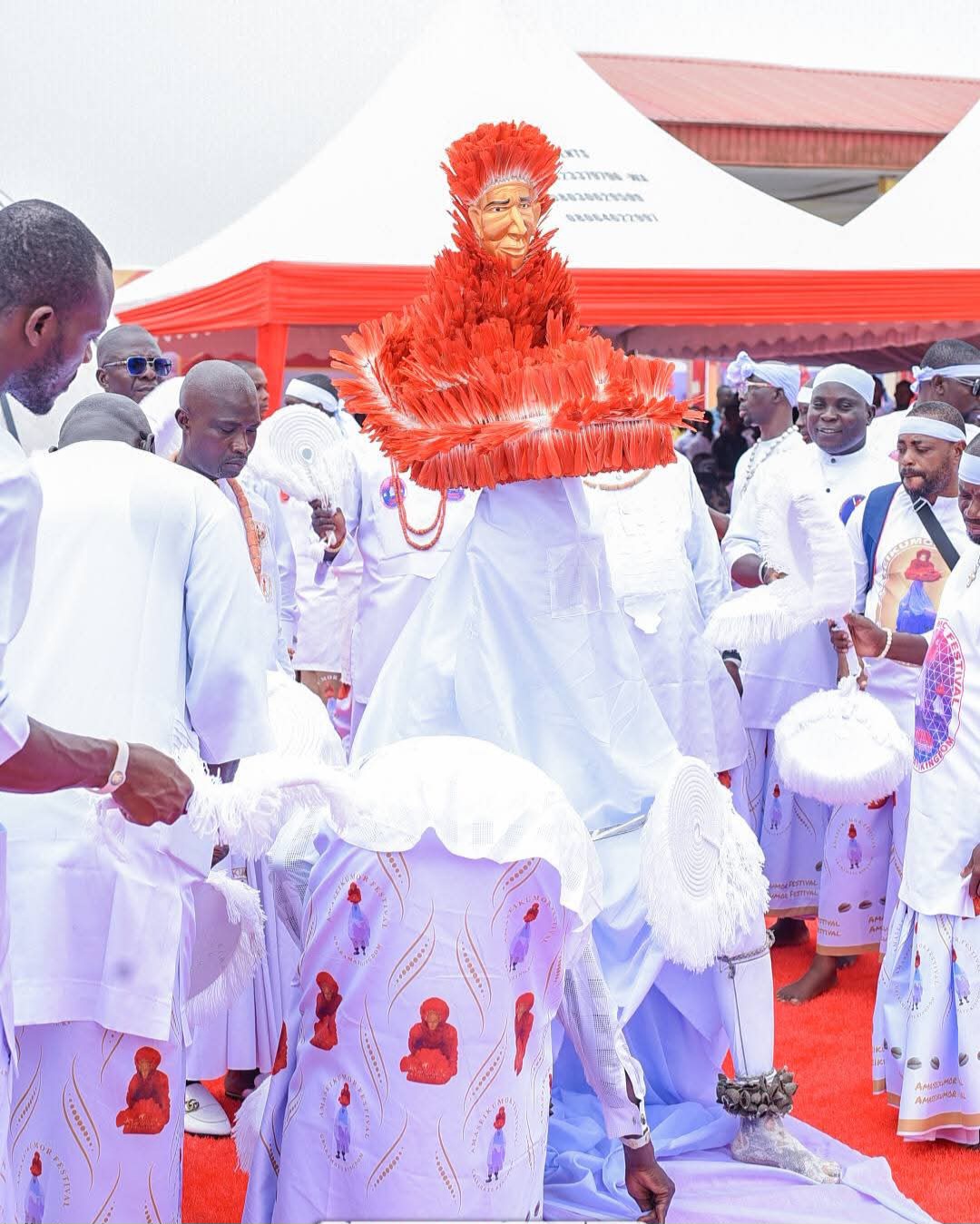
The Amaseikumor Festival is a magnificent tapestry of tradition, a veritable confluence where the sacred and the secular entwine in exquisite harmony. It is, in its quintessence, a festival of purity—an unblemished rite that scours the soul of the land. It is a festival of culture, wherein the ancient cadences of our forebears find renewed utterance; a festival of spiritual rejuvenation, where weary spirits are anointed anew at the altar of ancestral grace.
Amaseikumor is a festival that has its megastar hanging and shinning brighly in the sky, a festival of peace, of unity, and of prosperity—a trinity of virtues that, like a masterfully composed triad, adorns the communal soul. It is a festival of love and fraternity, a luminous bridge between man and the legendary animist beings who, from time immemorial, have watched over our creeks and forests. Indeed, it erects intertidal bridges—linking epochs, lineages, and realms—whilst standing as a clarion of cultural affirmation and religious awakening. Here, the covenant betwixt mortals and the divine is not merely remembered but vivified; a healthful and functional communion with the gods is both established and exalted.
The festival bears the imprimatur of the heavens, most memorably during its revival years. In the wondrous year of 2018, when I was accorded the rare and humbling privilege of delivering a lecture, the firmament itself bore witness: thunder intoned its celestial approbation, the heavens darkened in reverent solemnity, and delicate droplets—veritable tears of divine joy—descended upon the congregants. That epiphanic moment was greeted with an impromptu Ogele, as the gallant youths of Gbaramatu, moved by an ecstasy beyond articulation, gave voice to the rapture of the land.
As the parent festival of Gbaramatu, Amaseikumor is not merely a ritual observance; it is a living vestige heritage, a guiding star of identity, and a festival imbued with prodigious tourism potential. To behold it is to witness culture in its most numinous and unadulterated form—a grand pageant where myth, memory, and modernity dance in perennial embrace.
By: Editorial Team
The United Arab Emirates (UAE), often hailed as a beacon of modern development in the Middle East, is a federation of seven emirates—each with its own distinct history, ruler, and cultural identity. Since its unification in 1971, the UAE has stood as a rare example of how traditional monarchies can collaborate to build a stable and globally respected nation.
At the heart of the federation lies Abu Dhabi, the capital and largest emirate, known for its vast oil wealth and political influence. The Al Nahyan family, which leads Abu Dhabi, has played a central role in shaping the UAE’s national vision and foreign policy. The current President of the UAE traditionally comes from this emirate, underscoring its leadership within the union.
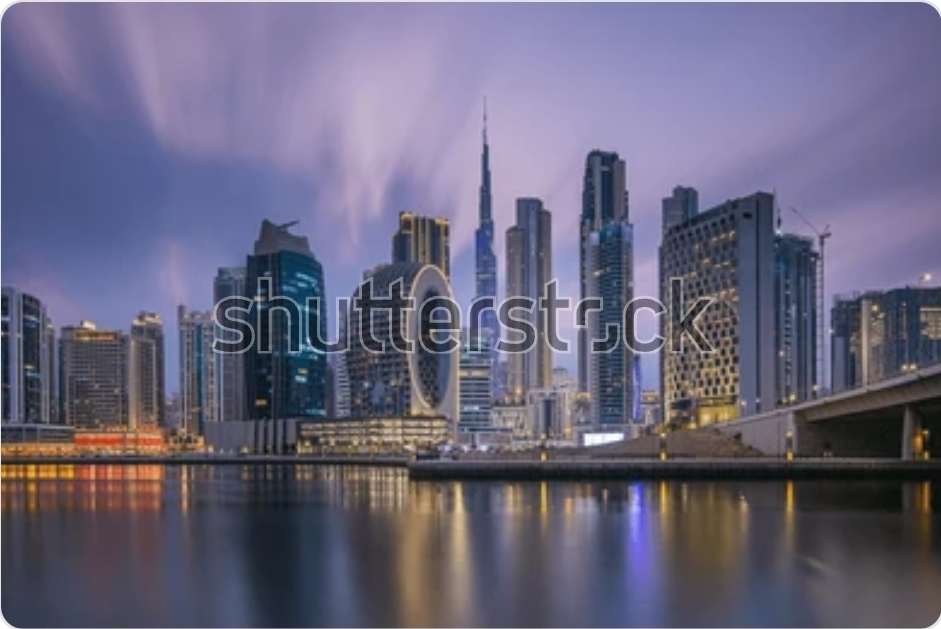
Dubai, the shining star of the federation, represents ambition and innovation. Under the leadership of the Al Maktoum family, Dubai has transformed from a desert outpost into a global hub for finance, tourism, and technology. Its breathtaking skyline, led by the Burj Khalifa, has become a symbol of Arab progress and resilience.
Moving beyond the two powerhouses, Sharjah distinguishes itself as the cultural and educational capital of the UAE. Led by the Al Qasimi family, it has preserved the emirates’ artistic heritage while promoting academic excellence through its numerous universities and museums.
The smaller emirates-Ajman, Umm Al-Quwain, Ras Al Khaimah, and Fujairah-each add unique character and strength to the federation. Ajman, the smallest, thrives on trade and manufacturing; Umm Al-Quwain offers a peaceful charm along its quiet shores; Ras Al Khaimah, nestled against the Hajar Mountains, is known for its natural beauty and growing industrial base; and Fujairah, facing the Gulf of Oman, plays a strategic maritime role in the region’s economy.
Despite their differences in size and resources, the seven emirates remain bound by shared values, mutual respect, and visionary leadership.Their collective success story reflects not only unity but also the ability to balance tradition with progress.
Over five decades after its founding, the UAE continues to prove that cooperation among monarchies can yield a modern, forward-looking state-one that honors its past while boldly stepping into the future. The federation’s model of governance offers an enduring lesson in leadership, stability, and nation-building in a region often defined by division.
Photo Credit: shuterstock