
IduwiniVoice Edubbas
The Past, Present, and Future of Electrical Engineering.


Electrical engineering has played a pivotal role in shaping the modern world. From its humble beginnings in the 17th century to its current advancements and future potential, the field has evolved and continues to push the boundaries of technology. In this article, we will explore the past, present, and future of electrical engineering.
The roots of electrical engineering can be traced back to the discoveries and experiments of pioneers like Michael Faraday, Thomas Edison, Nikola Tesla, and others. These visionaries laid the foundation for the field by developing fundamental concepts and inventions that transformed society.
Faraday’s work on electromagnetic induction paved the way for the development of generators and motors, while Edison’s invention of the practical incandescent light bulb revolutionized the way we illuminate our world. Tesla’s contributions to alternating current (AC) power systems and wireless communication technologies further propelled the field.
The past of electrical engineering witnessed the electrification of homes, businesses, and industries, bringing light, power, and communication to people’s lives. It also saw the emergence of power generation and transmission systems, the advancement of electronics, and the integration of electrical technology in various sectors, such as transportation and telecommunications.
The Present: Advancements and Integration
In the present day, electrical engineering continues to evolve at a rapid pace, driven by advancements in technology and the ever-growing demand for efficient and sustainable solutions. Some key areas of focus include:
-
Renewable Energy: Electrical engineers are at the forefront of the transition towards renewable energy sources. They design and optimize systems for solar power, wind power, hydropower, and other forms of clean energy, contributing to the global effort to combat climate change.
-
Power Electronics: The field of power electronics has witnessed significant advancements, enabling the efficient conversion, control, and management of electrical energy. This has led to the development of electric vehicles, renewable energy inverters, and smart grid systems.
-
Digital Systems and Communication: Electrical engineers are instrumental in the development of digital systems, including integrated circuits, microprocessors, and telecommunications networks. They work on improving data transmission, signal processing, wireless communication, and network infrastructure, supporting the growth of the Internet of Things (IoT) and the 5G revolution.
-
Automation and Control Systems: The integration of electrical engineering with automation and control systems has revolutionized industries such as manufacturing, robotics, and transportation. Electrical engineers design and implement advanced control algorithms, robotics, and artificial intelligence technologies to optimize processes, improve efficiency, and enhance safety.
The Future: Emerging Technologies and Innovations
As we look ahead, the future of electrical engineering is filled with exciting possibilities. Several emerging technologies hold the potential to shape the field in the coming years:
-
Internet of Things (IoT):
-
The IoT, which connects everyday objects to the internet, is expected to continue expanding. Electrical engineers will play a crucial role in developing sensor networks, connectivity solutions, and data analytics tools to harness the power of IoT in various sectors, including healthcare, agriculture, and smart cities.
-
Artificial Intelligence (AI) and Machine Learning: AI and machine learning are poised to revolutionize multiple industries. Electrical engineers will contribute to the development of AI algorithms, neural networks, and intelligent systems that can process vast amounts of data, make decisions, and automate complex tasks.
-
Energy Storage:
-
With the growing need for efficient energy storage solutions, electrical engineers will focus on advancing battery technologies, supercapacitors, and other energy storage systems. These developments will enable the widespread adoption of renewable energy sources and facilitate the transition to a sustainable energy future.
-
Quantum Computing: Quantum computing holds the promise of solving complex problems that are currently beyond the capabilities of classical computers. Electrical engineers will be involved in designing quantum circuits, developing quantum algorithms, and creating the infrastructure required for this revolutionary technology.
In conclusion, electrical engineering has come a long way since its inception, shaping the modern world through innovation and technological advancements. From the electrification of society to the integration of renewable energy, digital systems, and automation, the field continues to evolve. Looking ahead, emerging technologies such as IoT, AI, energy storage, and quantum computing will drive future breakthroughs in electrical engineering, opening up new possibilities and opportunities for engineers to make a lasting impact on society.


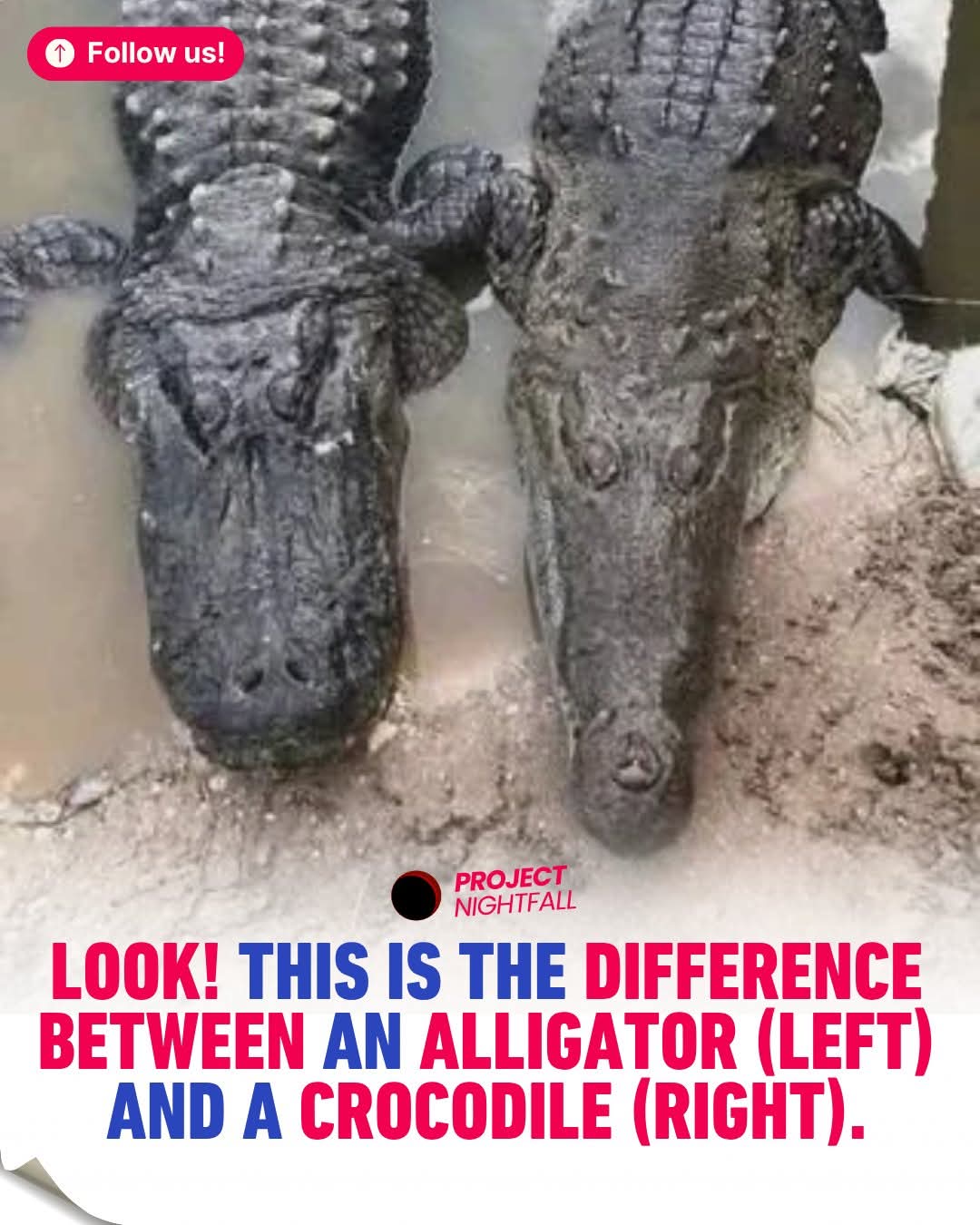
Wildlife experts have outlined simple but important distinctions between alligators and crocodiles, helping the public better identify the two often-confused reptiles.
By Charity Ebi,
Though they appear similar at first glance, specialists note that clear physical and behavioral differences exist. One of the most noticeable features is the shape of the snout. Alligators typically have broader, U-shaped snouts, while crocodiles possess longer, narrower, V-shaped snouts that appear more pointed.
Coloration also serves as a distinguishing factor. Alligators are generally darker, often appearing black or deep gray, whereas crocodiles tend to have a lighter, gray-green tone.
Another key difference lies in their teeth. When an alligator’s mouth is closed, most of its teeth are not visible. In contrast, crocodiles usually display interlocking teeth that remain visible even when their jaws are shut.
Habitat preference further separates the two reptiles. Crocodiles are more commonly found in saltwater or brackish environments, while alligators are primarily associated with freshwater habitats such as rivers, swamps and lakes.
Wildlife observers say understanding these differences is not only useful for identification but also important for safety awareness, particularly in regions where both species may be present.
The comparison, highlighted by environmental awareness sources including Project NightFall, continues to spark public interest, with many debating which of the two formidable reptiles appears more intimidating.
Source: Project Nightfall

By: Derick Peretengboro
The growing belief that education remains a vital catalyst for development has been exemplified once again in the riverine Delta as the launch of the 2026 edition of the famous ‘Back to School’ initiative came alove in Delta State, courtesy of the Common Men Assembly (CMA). The body has reiterated its belief in education as a catalyst for development riverine Ijaw communities.
The programme, which focuses on supplying essential learning materials to public primary schools, is expected to benefit pupils in 25 communities across five local government areas.
Hight Chief Angodideke Jude, the Ogungbeiwei of Ngbilebiri-Mein Kingdom and Chairman of the CMA, while addressing stakeholders at the launch, said the initiative was conceived to address the persistent lack of basic educational infrastructure in riverine communities.
Working alongside Tantita Security Services Nigeria Limited and the Godfrey Pondi Book Club, the group distributed desks, books, bags, and sandals to selected schools on day one.
Schools in Okosugbene, Orugbene, and Ofogbene received 30 desks each, while other schools in Burutu and Warri South West LGAs received assorted learning materials.
The items were received by school officials and community leaders, including Mrs. Ebiyerin Esiri, Mr. Roland Government, and Mr. Oweikeniafa Ebi.
Pupils were seen excitedly engaging with the new materials, a development observers say could positively influence learning outcomes in the affected schools.
IduwiniVoice Edubbas
Wonders as Woman Lived with Parasitic Twin Inside Her for Almost 50 Years before Discovery
By: Daire Perez
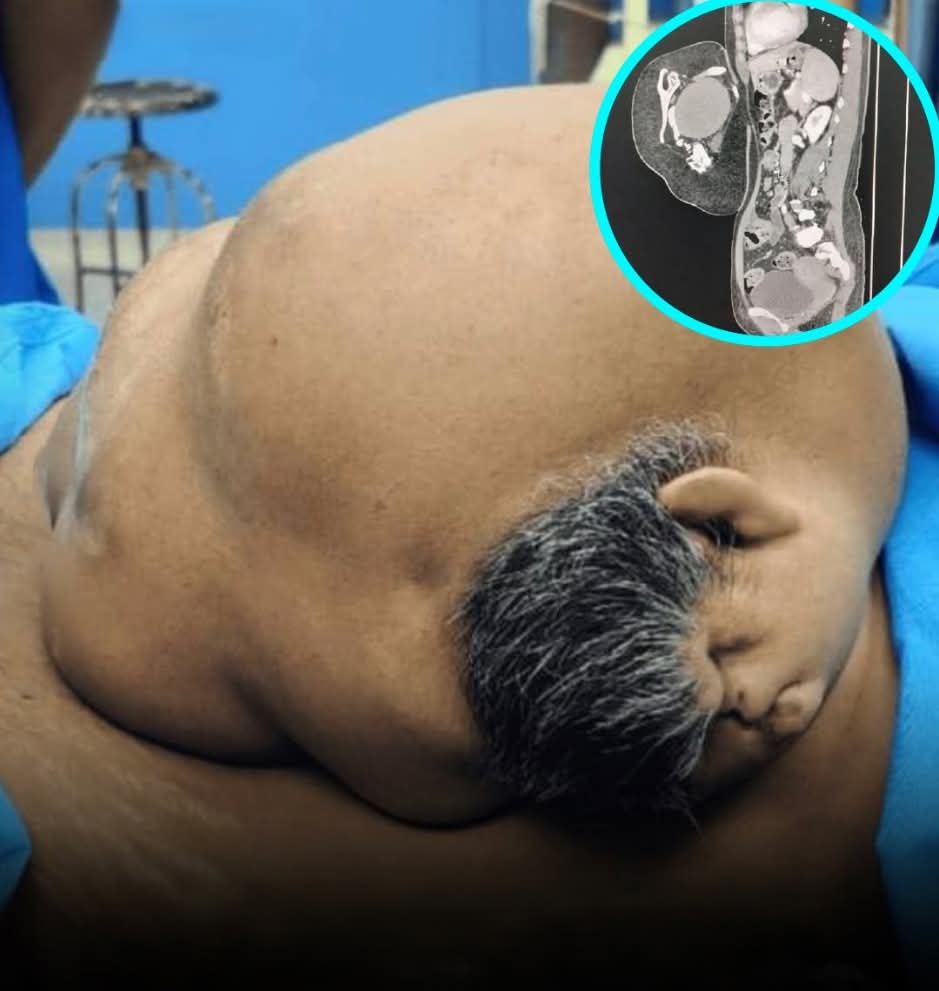
Medical science isn’t just your everyday paracetamol and headache, seat back and be amazed by this rare and heartbreaking medical case. A 47-year-old woman recently learned that the large abdominal mass she had lived with since birth was in fact her undeveloped twin. The rare congenital condition known as an epigastric heteropagus twin, occurs when one embryo fails to fully develop and remains attached to the other during pregnancy.
According to reports, the woman – a mother of four – decided to undergo surgery after carrying the mass for nearly half a century. Surgeons discovered a 24-centimeter growth containing primitive human features, including an ear, a nose, and partially formed limbs. The mass was being nourished by an artery connected to the carrier’s abdomen.
Medical specialists involved in the case emphasized the crucial role of advanced imaging studies conducted before operation. These scans allowed doctors to precisely map the mass’s structure and safely remove it without endangering the patient’s life.
Cases of parasitic twins are extremely rare, making this one of the most unusual and fascinating occurrences in modern medical literature.
Adapted from Weired, Wonder, and Amazing Tings (Facebook)