
IduwiniVoice Edubbas
Mobile Phone Usage in Hazardous Industrial Areas.


Mobile Phone Usage in Hazardous Industrial Areas.
Balancing Connectivity and Safety in High-Risk Environments.
By Anthony Beauty, Staff Writer.
In an increasingly connected world, the ubiquity of mobile phones has revolutionized communication and connectivity. However, as these devices find their way into every facet of our lives, questions arise about their safe usage, particularly in hazardous areas where explosive gases, flammable liquids, and other dangerous substances abound. Striking a balance between connectivity and safety becomes paramount in these high-risk environments.
The Connectivity Conundrum
Mobile phones have seamlessly integrated into our daily routines, providing instant access to information and communication with a tap of the finger. This evolution has extended to hazardous areas, where workers often require real-time communication for coordination, monitoring, and emergency response. The convenience and functionality of smartphones make them an appealing tool, potentially streamlining operations and enhancing safety protocols.
The Hazardous Reality
Hazardous areas, such as oil refineries, chemical plants, and mining sites, host a multitude of risks due to the presence of volatile materials and high-pressure equipment. These environments are prone to the release of explosive gases, which can be ignited by sparks generated from electronic devices like mobile phones. The use of phones in these settings can trigger catastrophic incidents, resulting in fires, explosions, and loss of life.
Mitigating the Threats
As the demand for connectivity persists, industries have been pushed to find ways to mitigate the risks posed by mobile phone usage in hazardous areas. Some strategies include:
Intrinsically Safe Devices: Intrinsically safe (IS) devices are designed to prevent the generation of sparks or excessive heat that could ignite flammable substances. These devices undergo rigorous testing to ensure they meet stringent safety standards.
Zone Classification: Hazardous areas are often classified into zones based on the likelihood of the presence of hazardous substances. Mobile phones that are certified for specific zones can be used safely in those areas.
Strict Regulations: Regulatory bodies, such as OSHA (Occupational Safety and Health Administration) and ATEX (Atmosphères Explosibles), have established guidelines and standards for the safe use of electronic devices in hazardous environments.
Looking Ahead
The challenge lies in implementing these safety measures effectively without compromising the need for seamless communication. As technology continues to evolve, industries must remain vigilant in adopting the latest advancements in intrinsically safe devices, wireless communication, and remote monitoring. By embracing innovation while respecting safety protocols, hazardous industries can foster a culture of connectivity without jeopardizing the well-being of their workforce.
In the grand tapestry of modern connectivity, the issue of mobile phone usage in hazardous areas serves as a poignant reminder that progress must always be accompanied by responsible consideration for safety. As industries navigate this delicate balance, one thing remains clear: in the quest for connectivity, the preservation of human life is paramount.





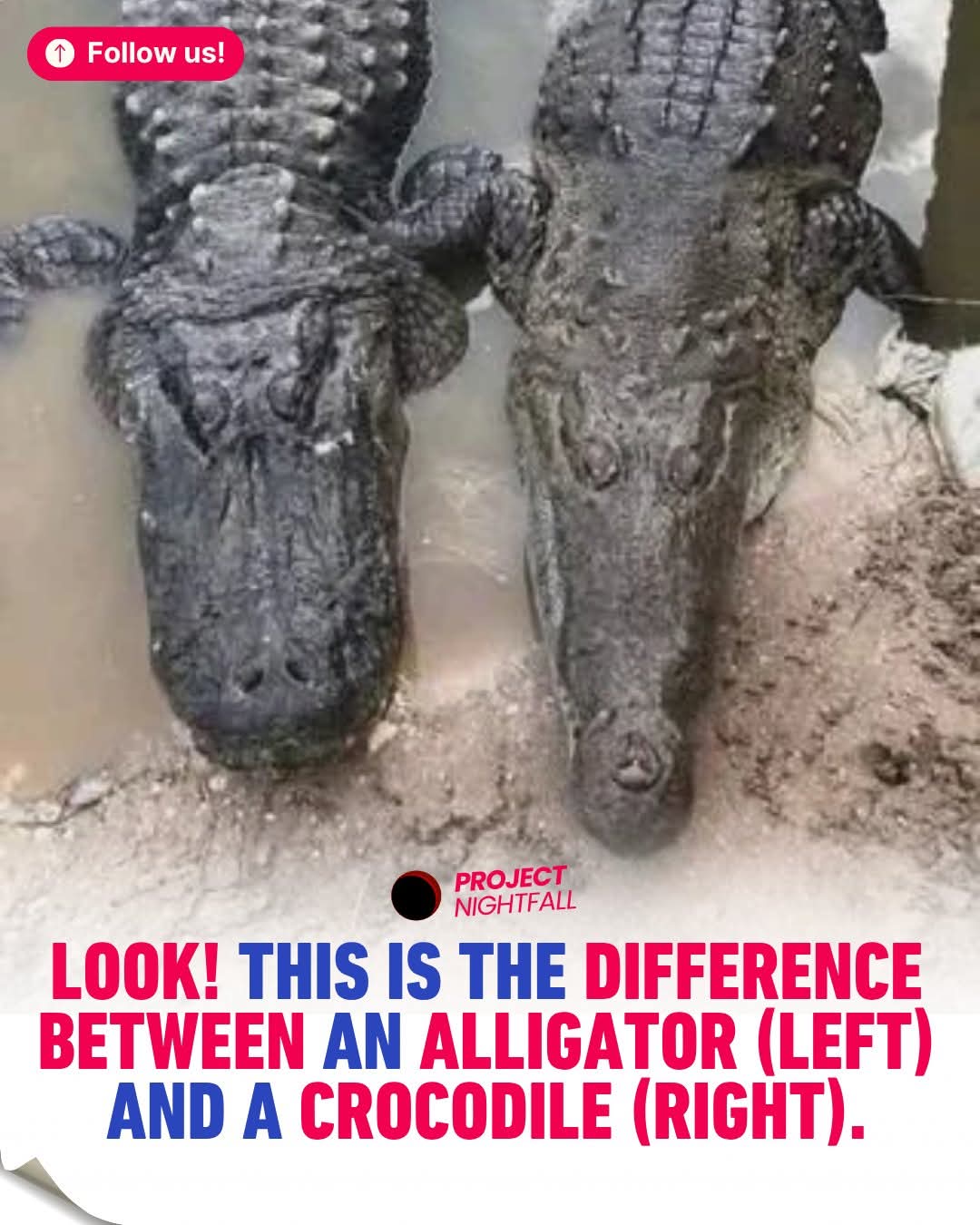
Wildlife experts have outlined simple but important distinctions between alligators and crocodiles, helping the public better identify the two often-confused reptiles.
By Charity Ebi,
Though they appear similar at first glance, specialists note that clear physical and behavioral differences exist. One of the most noticeable features is the shape of the snout. Alligators typically have broader, U-shaped snouts, while crocodiles possess longer, narrower, V-shaped snouts that appear more pointed.
Coloration also serves as a distinguishing factor. Alligators are generally darker, often appearing black or deep gray, whereas crocodiles tend to have a lighter, gray-green tone.
Another key difference lies in their teeth. When an alligator’s mouth is closed, most of its teeth are not visible. In contrast, crocodiles usually display interlocking teeth that remain visible even when their jaws are shut.
Habitat preference further separates the two reptiles. Crocodiles are more commonly found in saltwater or brackish environments, while alligators are primarily associated with freshwater habitats such as rivers, swamps and lakes.
Wildlife observers say understanding these differences is not only useful for identification but also important for safety awareness, particularly in regions where both species may be present.
The comparison, highlighted by environmental awareness sources including Project NightFall, continues to spark public interest, with many debating which of the two formidable reptiles appears more intimidating.
Source: Project Nightfall
By: Derick Peretengboro
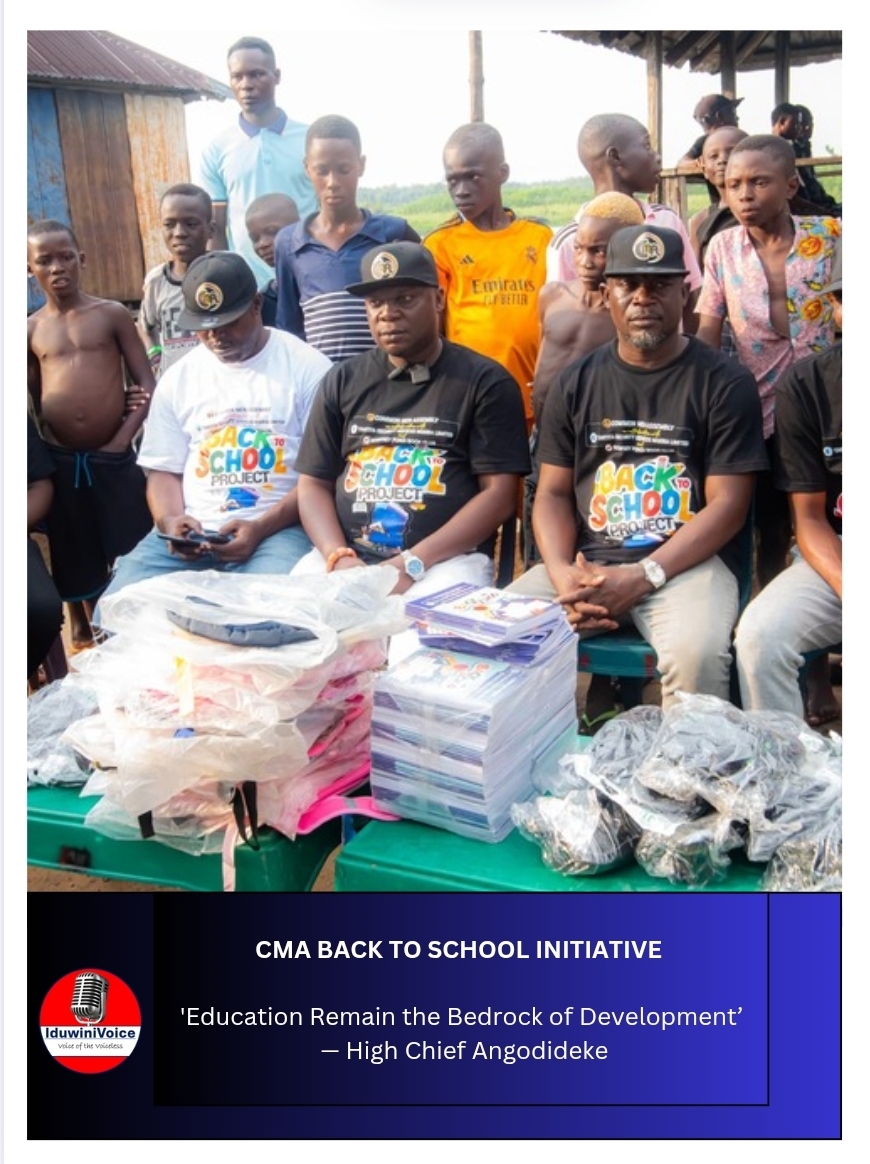
The growing belief that education remains a vital catalyst for development has been exemplified once again in the riverine Delta as the launch of the 2026 edition of the famous ‘Back to School’ initiative came alove in Delta State, courtesy of the Common Men Assembly (CMA). The body has reiterated its belief in education as a catalyst for development riverine Ijaw communities.
The programme, which focuses on supplying essential learning materials to public primary schools, is expected to benefit pupils in 25 communities across five local government areas.
Hight Chief Angodideke Jude, the Ogungbeiwei of Ngbilebiri-Mein Kingdom and Chairman of the CMA, while addressing stakeholders at the launch, said the initiative was conceived to address the persistent lack of basic educational infrastructure in riverine communities.
Working alongside Tantita Security Services Nigeria Limited and the Godfrey Pondi Book Club, the group distributed desks, books, bags, and sandals to selected schools on day one.
Schools in Okosugbene, Orugbene, and Ofogbene received 30 desks each, while other schools in Burutu and Warri South West LGAs received assorted learning materials.
The items were received by school officials and community leaders, including Mrs. Ebiyerin Esiri, Mr. Roland Government, and Mr. Oweikeniafa Ebi.
Pupils were seen excitedly engaging with the new materials, a development observers say could positively influence learning outcomes in the affected schools.
IduwiniVoice Edubbas
Wonders as Woman Lived with Parasitic Twin Inside Her for Almost 50 Years before Discovery
By: Daire Perez
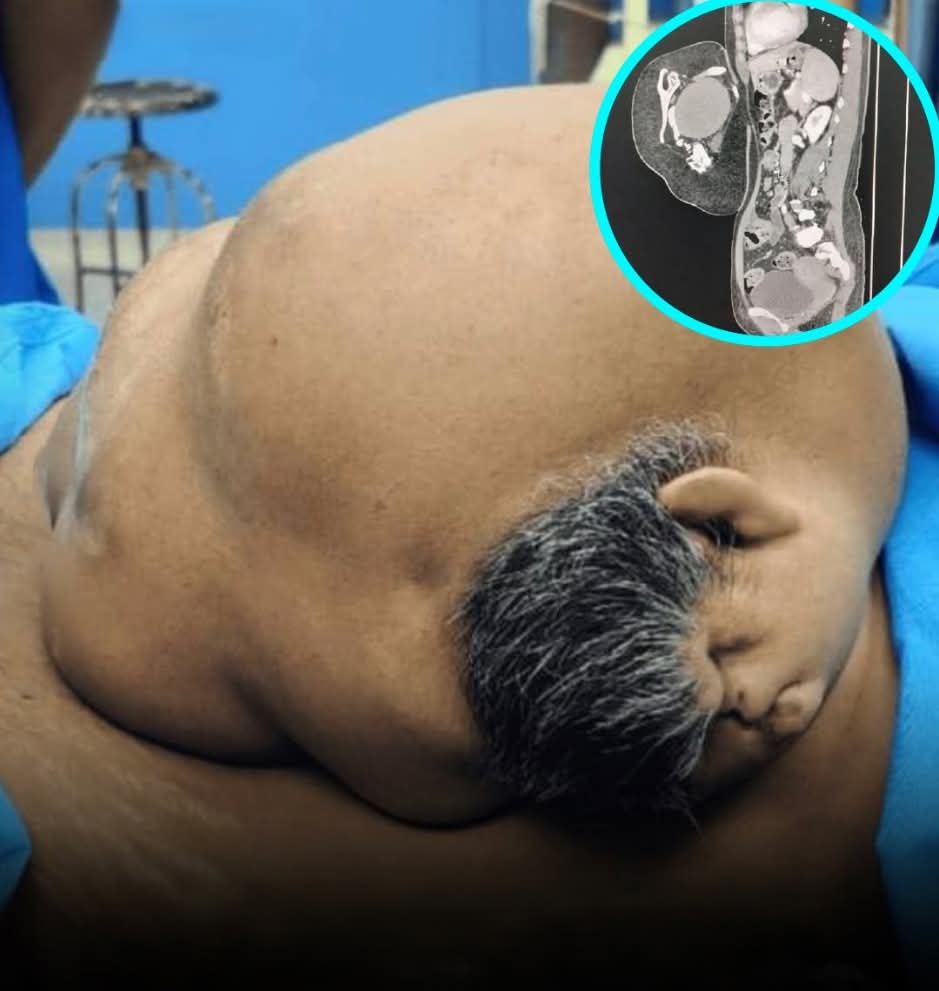
Medical science isn’t just your everyday paracetamol and headache, seat back and be amazed by this rare and heartbreaking medical case. A 47-year-old woman recently learned that the large abdominal mass she had lived with since birth was in fact her undeveloped twin. The rare congenital condition known as an epigastric heteropagus twin, occurs when one embryo fails to fully develop and remains attached to the other during pregnancy.
According to reports, the woman – a mother of four – decided to undergo surgery after carrying the mass for nearly half a century. Surgeons discovered a 24-centimeter growth containing primitive human features, including an ear, a nose, and partially formed limbs. The mass was being nourished by an artery connected to the carrier’s abdomen.
Medical specialists involved in the case emphasized the crucial role of advanced imaging studies conducted before operation. These scans allowed doctors to precisely map the mass’s structure and safely remove it without endangering the patient’s life.
Cases of parasitic twins are extremely rare, making this one of the most unusual and fascinating occurrences in modern medical literature.
Adapted from Weired, Wonder, and Amazing Tings (Facebook)