
National
“Ending Tompolo’s Pipeline Surveillance Contract Will Push Niger Delta Youths Back Into Crime” —Freeborn Abraye Warns President Tinubu

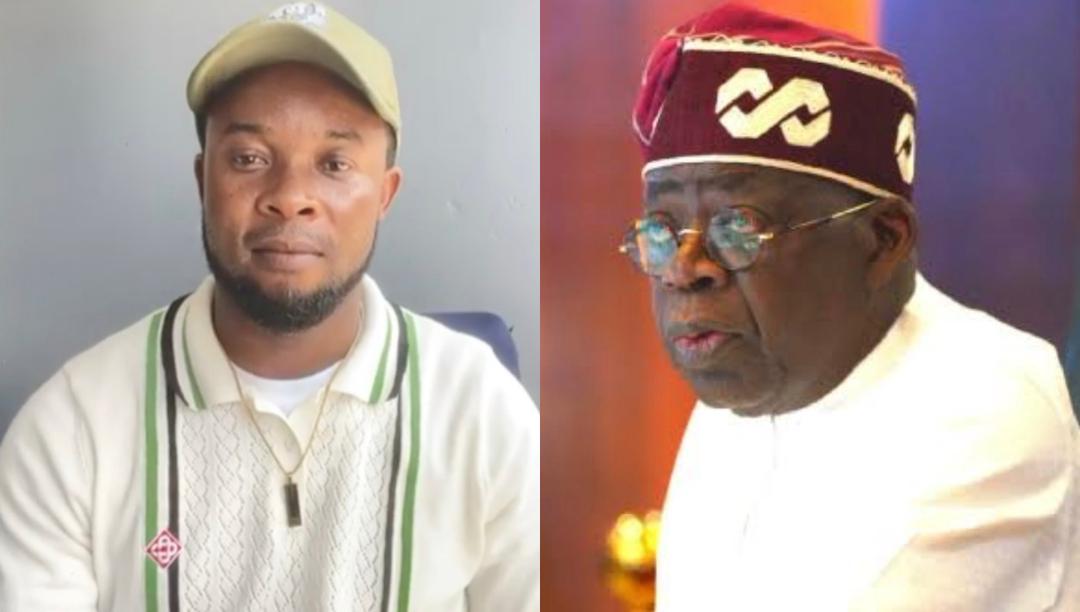
By Uche Alvin
Human rights activist and Niger Delta advocate, Freeborn Abraye, has warned that terminating the pipeline surveillance contract handled by Government Oweizide Ekpemupolo, popularly known as Tompolo, could plunge thousands of youths in the Niger Delta back into unemployment, poverty and criminal activities.
Abraye made the statement while reacting to growing calls from certain political interests urging Bola Ahmed Tinubu to cancel the pipeline protection contract currently executed by Tantita Security Services Nigeria Limited.
According to him, such a move would reverse the fragile peace that has been painstakingly built across the oil-producing communities of the Niger Delta.
“The President must understand that terminating the pipeline surveillance contract of High Chief Government Oweizide Ekpemupolo, widely known as Tompolo, will amount to pushing thousands of Niger Delta youths back into hunger and starvation,” Abraye said.
He stressed that the unemployment crisis in the Niger Delta remains one of the region’s most pressing challenges, adding that the engagement of local youths by Tantita Security Services has provided a legitimate source of livelihood for thousands who would otherwise be vulnerable to crime.
“The problem of unemployment in the Niger Delta is massive. For decades, young people in the region have struggled to find legitimate opportunities for survival. Today, the pipeline surveillance initiative under Tantita has become one of the most effective grassroots economic interventions in the region,” he said.
Abraye noted that the initiative has significantly reduced incidents of oil theft, pipeline vandalism, piracy and other criminal activities that once plagued the oil-rich region.
“Thousands of young men and women who were previously idle now have structured employment. They are protecting national assets while earning a legitimate income. This has drastically reduced the crime rate across several communities,” he explained.
He warned that cancelling the contract could reopen old wounds that had already begun to heal.
“Ending the contract will simply reopen the wounds of unemployment that have been carefully stitched up through Tompolo’s initiative. When people lose the only source of survival available to them, desperation follows,” Abraye stated.
The activist further urged President Tinubu to resist pressure from individuals and groups calling for the cancellation of the contract, describing such voices as politically motivated.
“The President should ignore calls from unscrupulous elements and self-serving politicians demanding the termination of this contract. Many of them do not understand the delicate security dynamics of the Niger Delta or the role local participation plays in sustaining peace,” he said.
According to Abraye, the current level of peace, security and stability recorded in the region cannot be separated from the pipeline surveillance operations coordinated by Tompolo.
“The present peace in the Niger Delta did not happen by accident. It is the result of strategic engagement with local stakeholders, and Tompolo has played a central role in sustaining that stability,” he added.
Abraye therefore called on the Federal Government to strengthen, rather than dismantle, initiatives that empower local communities while protecting critical national infrastructure.
“The Federal Government must consolidate on the progress already made. Any policy decision that threatens the livelihood of thousands of Niger Delta youths risks destabilizing the region again,” he warned.
He concluded by emphasizing that preserving economic opportunities for the youth remains one of the most effective strategies for maintaining lasting peace in the Niger Delta.






By Favour Bibaikefie
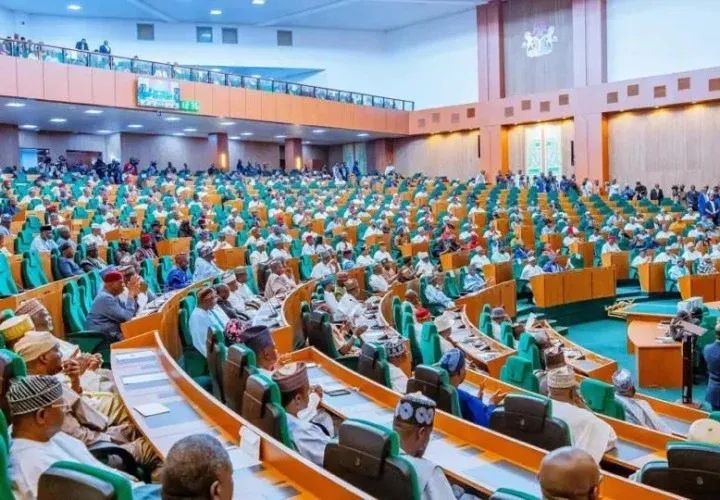
Abuja — The House of Representatives has commenced legislative steps to provide a dedicated legal framework for Nigeria’s national decarbonisation programme, a move lawmakers say is meant to strengthen climate governance, guide implementation, and make the investment environment clearer for low-carbon projects, Punch Newspaper reported.
Chairman of the House Committee on Mandatory National Decarbonisation, Rep. Sesi Whingan, disclosed this after a technical roundtable with stakeholders in Abuja, noting that while Nigeria already has the Climate Change Act (2021), the proposed National Decarbonisation Bill is designed to align and coordinate decarbonisation initiatives across sectors.
Whingan said the bill has passed first and second readings in the Green Chamber and is expected to move to a public hearing before the end of the month, as the House continues consultations with industry, civil society and experts.
At the roundtable, Whingan stressed that predictable rules and financing clarity are key to unlocking capital, saying stakeholders agreed on the need for closer executive-legislative alignment so that investors can better understand Nigeria’s direction.
The Vanguard report quoted the Director for Africa at the Global Wind Energy Council (GWEC), Wangari Muchiri, as describing the decarbonisation push as both necessary and economically promising, arguing it could help Nigeria “create jobs” and attract investment while diversifying the economy.
In a related development, as reported on the Peoples Daily Newspaper, Speaker Tajudeen Abbas, represented by Rep. Muktar Shagaya, warned that climate change impacts are no longer distant, calling it a “lived experience for Nigerians” across regions—from drought and desertification to flooding and erosion—and urged urgent national action.
What the proposed legal framework could cover
Beyond general policy alignment, recent parliamentary documents indicate lawmakers have been weighing a bill structure that would establish a National Decarbonisation Authority, mandate Monitoring, Reporting and Verification (MRV) systems, and create financing mechanisms—such as a Nigeria Green Transition Facility and a Just Transition Fund—as part of Nigeria’s decarbonisation pathway as the nass.gov.ng puts it.
Nigeria’s decarbonisation ambitions are linked to its broader commitment to achieve net-zero by 2060, with the federal government’s Energy Transition Plan framed as a pathway to “reducing emissions and powering development.”
Why this matters now
Officials and policy advocates say tighter climate laws can improve investor confidence by reducing regulatory uncertainty—especially for renewables, clean transport, climate-smart agriculture and low-carbon industry—at a time Nigeria is pitching climate action as a development opportunity, including efforts to mobilise large-scale climate finance.
Meanwhile, as reported by The Nation Newspaper, House committees have also been spotlighting the scale of potential climate-smart investments tied to Nigeria’s transition conversation, as lawmakers increasingly frame decarbonisation as both an environmental necessity and an economic strategy.

By Favour Bibaikefie
ABUJA — Senator representing Kogi Central, Natasha Akpoti-Uduaghan, has strongly condemned the reported assassination attempt on former Anambra State Governor, Peter Obi, and former National Chairman of the All Progressives Congress (APC), John Odigie-Oyegun, in Edo State.
The incident, which allegedly occurred during a political engagement in Benin City, has triggered widespread concern across party lines, with calls for a thorough investigation and heightened security for political actors.
In a statement issued on Tuesday, Akpoti-Uduaghan described the development as “deeply disturbing” and warned against the growing culture of political intolerance in the country.
According to her, democracy cannot thrive in an atmosphere of fear, intimidation, or violence.
“Politics must never descend into violence, intimidation, or threats against perceived opponents,” she said, expressing concern over what she termed the actions of “overzealous political actors” who may resort to unlawful conduct in an attempt to demonstrate loyalty to powerful figures.
The senator stressed that members of the opposition have a constitutional right to organise, mobilise and participate in political activities without harassment or threat to life.
“Attempts to silence dissenting voices undermine the very foundation of our democratic system,” she added.
She called on security agencies to carry out a comprehensive investigation into the incident and ensure that anyone found culpable is brought to justice.
Akpoti-Uduaghan further reaffirmed her commitment to democratic values, the rule of law and the protection of all Nigerians, irrespective of political affiliation.
While details surrounding the alleged attack remain under investigation, political stakeholders and civil society groups have continued to urge restraint and caution, emphasising the need for peaceful political engagement as the nation prepares for future electoral contests.
As of press time, security authorities were yet to release a detailed official briefing on the circumstances of the incident.
By Favour Bibaikefie
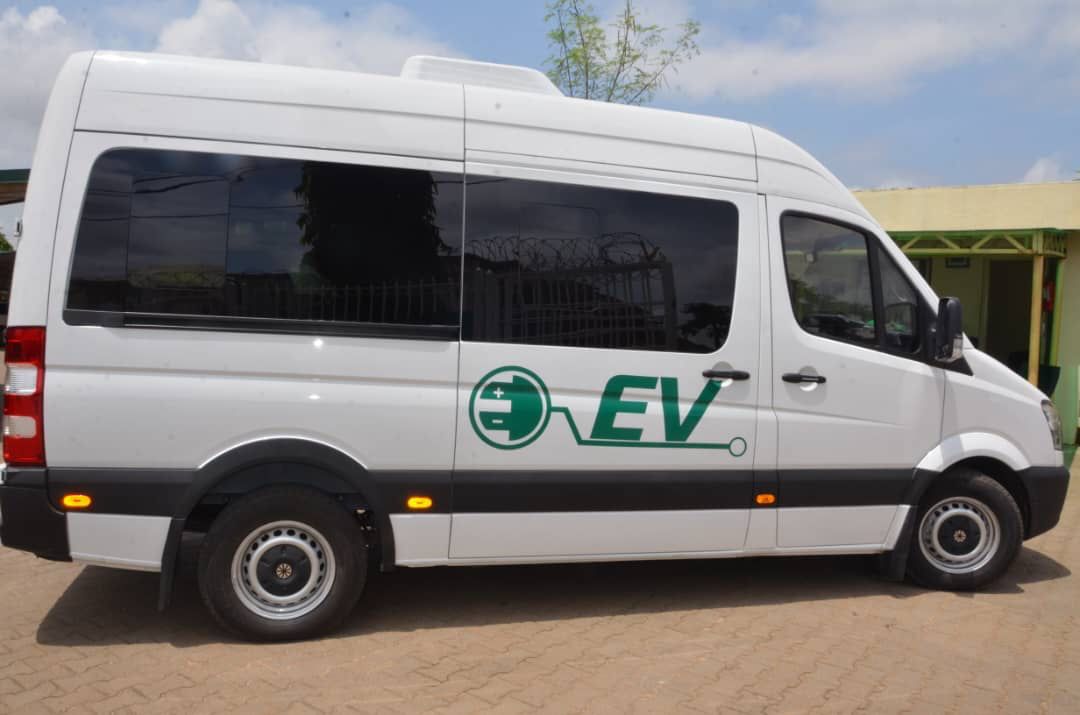
Lagos, Nigeria — A landmark shift toward green transport is underway in Nigeria as local firms begin assembling electric passenger vans, signaling a major step in the country’s bid to modernize public transport and reduce dependence on fossil fuels.
Lagos-based company Saglev has started locally assembling 18-seat electric vans using imported vehicle kits supplied by Chinese automaker Dongfeng Motor Corporation. The initiative marks one of the first large-scale efforts to build electric public transport vehicles on the African mainland rather than importing fully built units.
Saglev’s CEO, Olu Falaye, described the effort as a “major step in Nigeria’s transition toward clean, fossil-free transportation.” The company has outlined plans to scale production to up to 2,500 electric vans annually, with ambitions to roll out as many as 17 different electric models for both the Nigerian market and neighbouring West African countries.
The project is a joint venture between Nigeria’s Stallion Group — a leading automotive distributor — and China’s Sokon Motor, reflecting growing industrial collaboration between Nigeria and global automakers. Saglev also plans to develop solar-powered charging stations to help address Nigeria’s chronic electricity supply challenges and support reliable EV charging.
The electric vans are expected to offer significant operational cost savings for transport operators. Industry sources note that charging an electric van for up to 200 kilometres can cost around $3, compared with more than $15 in petrol costs for the same distance — potentially reshaping economics for public transport providers.
Nigeria’s efforts are part of a broader continental push toward electric mobility. Across Africa, companies in countries such as Kenya are also beginning to assemble electric vans and taxis locally from imported kits, using innovative financing models such as pay-as-you-drive and lease-to-own schemes to make EVs more affordable for operators and drivers.
Experts say the move toward local EV assembly supports several national goals: reducing harmful emissions, lowering fuel costs for commuters, creating skilled manufacturing jobs, and building domestic automotive capacity. However, observers note that the EV market in Africa remains nascent, with only a few tens of thousands of electric vehicles on the continent compared with millions of traditional fuel-powered units.
As the world pushes for cleaner energy solutions, Nigeria’s growing role in electric vehicle assembly puts the country among Africa’s emerging leaders in sustainable transport innovation.