
News
CEPEJ Aims to Expand Collaboration for National Impact in their Unveiled 2026 Strategic Plan


By Favour Bibaikefie
Warri, Delta State — The Centre for Peace and Environmental Justice (CEPEJ-Africa), a leading Nigerian civil society organisation dedicated to peacebuilding, environmental justice and community development, has unveiled its 2026 Annual Strategic Work Plan, aimed at fostering stronger partnerships and delivering sustainable impact across Nigeria and parts of Africa.
The strategic framework was presented on Wednesday at the Africa-4-Peace Centre, Ugolo, Warri, by the National Coordinator of CEPEJ, Chief Dr. Sheriff Mulade (PhD), who highlighted the group’s commitment to advocacy, capacity building, and community-driven development.
“This work plan provides a clear roadmap for impactful intervention. With strong partnerships and stakeholder support, CEPEJ-Africa will continue to deliver meaningful change to communities,” said Mulade, outlining the organisation’s vision to strengthen peace, environmental justice, education, climate resilience, and economic empowerment.
The 2026 strategy consists of high-impact programmes designed to engage diverse segments of society, particularly youth and women. Key initiatives include:
- Catch Them Young Sports Development Programme, to discover and nurture young football talents.
- Quiz and Essay Competitions in rural and riverine secondary schools to promote academic excellence.
- Youth and Women Skills Acquisition Programme to support economic empowerment.
- Niger Delta Peace Support Fund for community peacebuilding and leadership development.
- Educational Support Fund (Back-to-School Programme) for disadvantaged students.
- Advocacy for State Peacebuilding Commissions across Niger Delta states to institutionalise conflict prevention.
- Non-Violent Election Programme, focusing on civic education, stakeholder dialogues and election peace monitoring.
- Drug Abuse and Cultism Awareness Campaigns targeting primary and secondary schools.
- Expansion of CEPEJ Peace and Environment Clubs to strengthen youth engagement.
- Establishment of Mediation Centres to support peaceful conflict resolution.
- Warri Peacebuilding Dialogue Programme to promote ethnic harmony.
- IDPs and Disaster Victims Support Initiative to provide relief for vulnerable populations.
According to Mulade, the plan is tailored to guide structured interventions in sectors such as education, environmental justice, sports development, climate action, governance, and economic empowerment, covering states including Delta, Bayelsa, Rivers, Edo, Akwa Ibom, Ondo, Lagos, FCT-Abuja, Kano, Oyo, Niger, Enugu, Anambra, and Abia.
Mulade emphasised that the success of the strategic plan will depend on collaboration with government institutions, development agencies, traditional leaders, civil society groups and community volunteers, alongside robust monitoring and evaluation mechanisms to ensure accountability and effectiveness.
“We recognise that peace, justice and sustainable development require collective effort. Our partnerships with stakeholders at national and grassroots levels will remain central to our work,” he added.
Established as a non-profit, non-political, and voluntary organisation, CEPEJ has a long history of championing peacebuilding, environmental stewardship, and community empowerment across Nigeria since its registration in 2010.
Credit: FocalPoint Report










By Ezinne
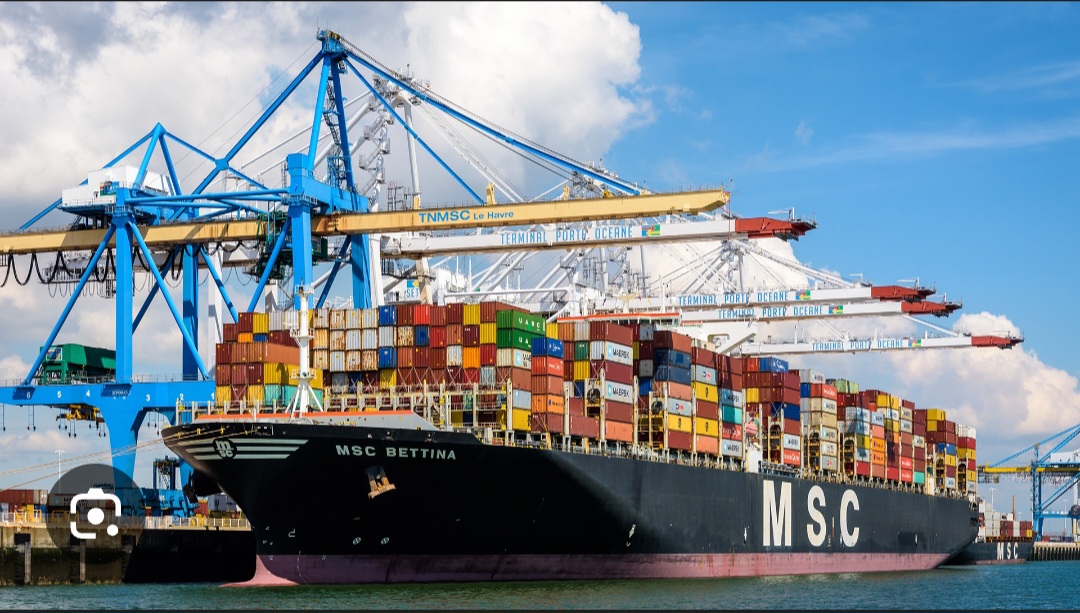
Operations at the Lagos ports were disrupted on Friday as tensions escalated between freight forwarders and the Mediterranean Shipping Company (MSC) over a controversial increase in local shipping charges.
Hundreds of clearing agents and freight forwarders staged a massive protest at the company’s Lagos office, demanding an immediate reversal of what they described as “arbitrary and astronomical” tariff hikes. The protesters decried the rising cost of clearing goods, warning that the new charges would further strain businesses and worsen inflationary pressures across the country.
The protest, spearheaded by five major freight forwarding associations, accused MSC of implementing unilateral price adjustments without obtaining the required regulatory approval from the the Nigerian Shippers’ Council.
In swift response, the Executive Secretary of the Council, Barrister Akutah Pius Ukeyima, intervened, calling for calm and urging all parties to embrace dialogue.
While acknowledging the concerns raised by the freight forwarders, Ukeyima warned that the disruption of port operations could have far-reaching consequences, including port congestion, delays in cargo clearance, and potential international trade penalties.
“The shutting down of shipping operations is a drastic measure that could negatively impact the entire maritime supply chain,” he stated.
The Council has consequently summoned both MSC management and representatives of the protesting associations to an emergency Conflict Resolution Meeting scheduled for early next week, aimed at resolving the impasse through established regulatory frameworks.
Freight forwarders insist that the new tariff structure—affecting container handling and administrative fees—will significantly increase the cost of doing business at Nigerian ports. They have vowed to sustain the protest until MSC suspends the charges and agrees to a transparent review process.
Industry stakeholders have expressed concern over the timing of the dispute, noting that global shipping costs are already under pressure due to geopolitical tensions in the Middle East. Experts warn that prolonged local conflicts within the maritime sector could deter foreign investment and further destabilize Nigeria’s trade environment.
Reaffirming its statutory mandate, the Nigerian Shippers’ Council emphasized that no shipping line is permitted to increase charges without adhering to the Notification and Negotiation Protocol, assuring stakeholders of a “fair and firm” resolution process.
By Ezinne
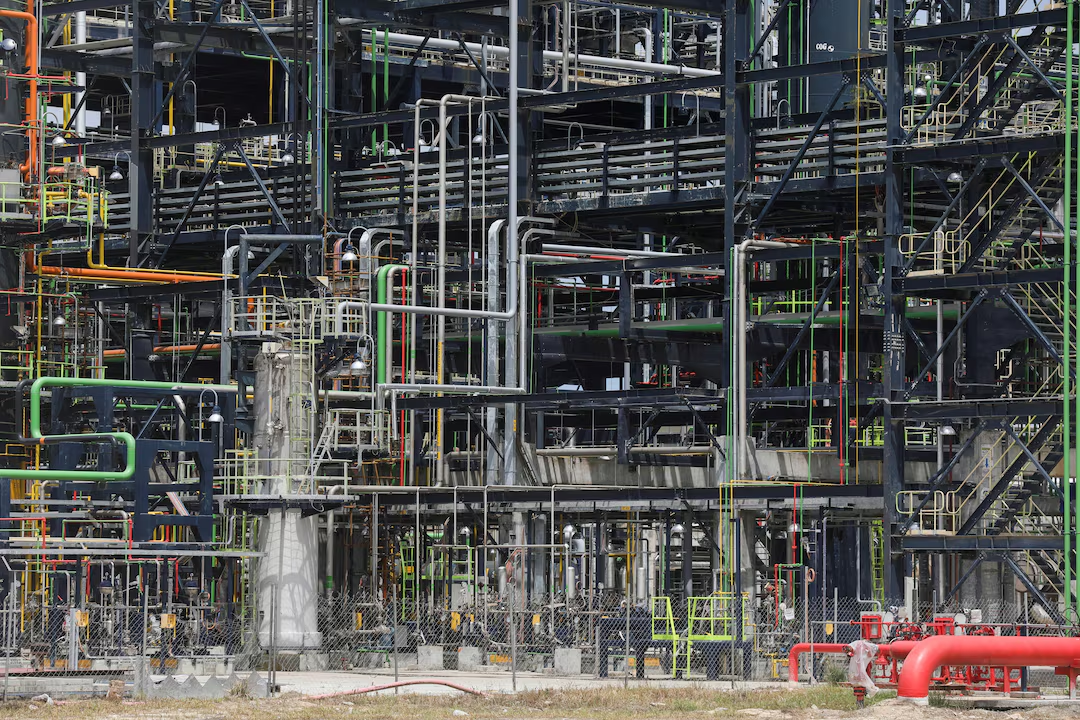
The ripple effects of the escalating conflict in the Middle East have begun to impact Nigeria’s downstream petroleum sector, as the Dangote Petroleum Refinery announced a fresh increase in the price of Premium Motor Spirit (PMS), commonly known as petrol.
As of Saturday, March 21, the 650,000-barrel-per-day facility raised its ex-gantry price to ₦1,245 per litre, up from the previous ₦1,175, representing an increase of nearly six percent.
Management of the refinery attributed the adjustment to the “unprecedented surge” in global crude oil prices, largely driven by ongoing geopolitical tensions in the Middle East involving . Industry data indicates that has consistently traded above $114 per barrel, significantly raising the cost of sourcing crude feedstock.
In a statement, refinery officials noted that while the facility remains committed to serving as a “local shield” for African energy security, it cannot remain insulated from global market realities, particularly the rising war-risk premiums affecting international oil supply chains.
Analysts warn that the development is likely to trigger a fresh round of fuel price increases across Nigeria, as marketers adjust pump prices to reflect transportation, distribution, and logistics costs. Projections suggest that petrol prices in several states could soon exceed ₦1,350 per litre.
Despite the increase, the Dangote Refinery continues to be regarded as the most dependable source of refined petroleum products in the region, especially as traditional import routes through the Red Sea remain disrupted by ongoing hostilities.
The latest price adjustment underscores Nigeria’s continued vulnerability to global oil market fluctuations, even as efforts to boost local refining capacity gain momentum.
By Ezinne
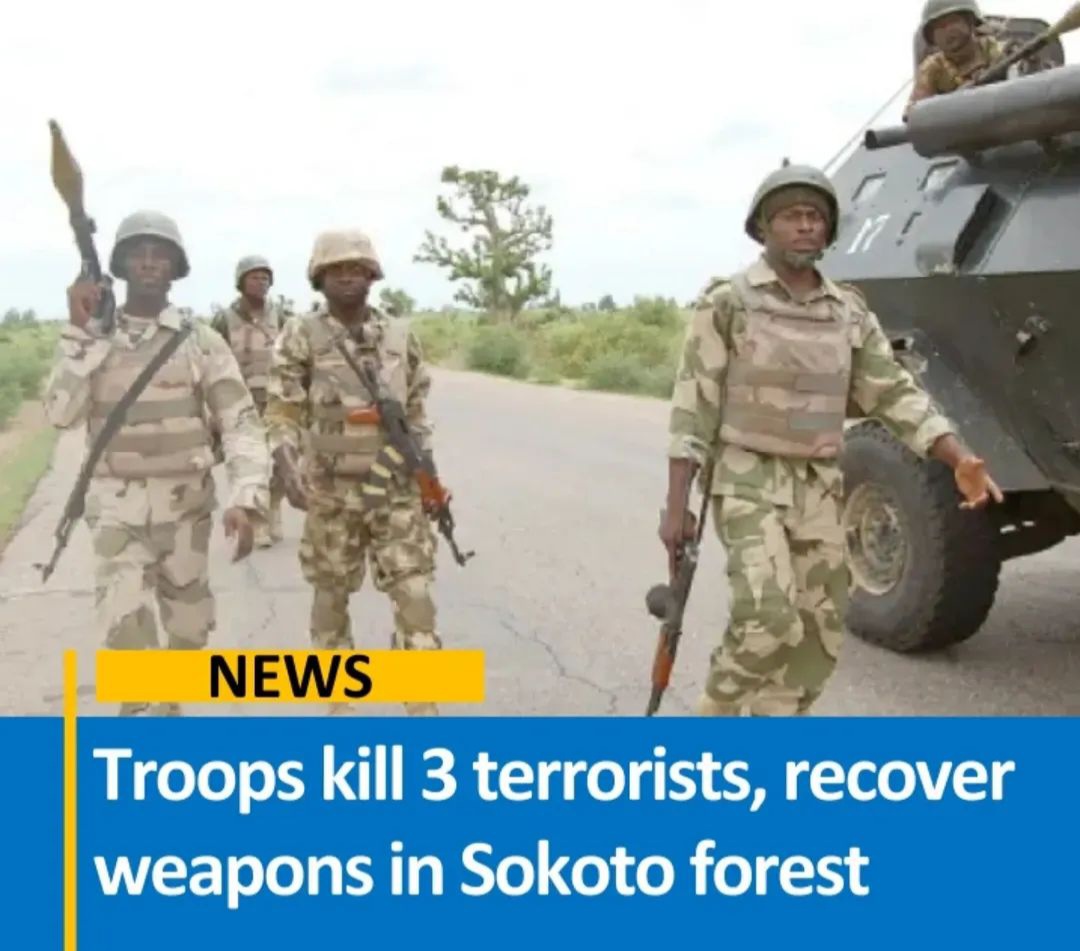
In a major boost to Nigeria’s ongoing counter-insurgency efforts, troops of the Nigerian Army have successfully dismantled several terrorist hideouts in Bauchi State, recovering arms and ammunition during a coordinated “search and destroy” operation.
Military sources disclosed that the operation, carried out within the last 24 hours, targeted insurgent enclaves concealed within dense forest areas bordering neighbouring states. The offensive led to the destruction of multiple makeshift camps used by the terrorists as operational bases for launching attacks on vulnerable rural communities.
According to reports, several insurgents were neutralized during the raid, while others escaped with gunshot wounds into surrounding difficult terrain.
Items recovered from the operation include a cache of weapons, ammunition, motorcycles, and communication equipment believed to have been used for kidnapping and other criminal activities.
The Director of Army Public Relations, Brigadier General , confirmed the development, attributing the success of the mission to credible intelligence provided by local vigilante groups and residents.
He further revealed that troops have established a temporary forward operating base in the affected area to prevent any regrouping of fleeing insurgents and to sustain ongoing clearance operations.
Residents of the impacted local government areas have been urged to remain vigilant and promptly report suspicious movements, particularly individuals seeking treatment for gunshot wounds, to security agencies.
The latest operation underscores the Nigerian military’s intensified campaign to rid the North-East region of terrorist elements and restore lasting peace to affected communities.