
IduwiniVoice Edubbas
China’s Revolutionary Maglev Train and Global Transport,

By Favour Bibaikefie

China is redefining the future of transportation with its cutting-edge magnetic levitation (Maglev) trains. These advanced trains, currently being tested at speeds of up to 623 km/h, outpace the high-speed rail systems already in operation within the country by an impressive 200 km/h. Researchers in China are exploring the potential of a “super Maglev” capable of reaching an astonishing 4,000 km/h, a speed that could surpass the SR-71 Blackbird jet’s record of 3,529.6 km/h set in 1979.
Beyond domestic advancements, China has set its sights on creating a high-speed rail network that connects nations across Asia. This vision raises important questions about the global impact of such transformative technology, particularly in regions like Africa and Nigeria. Could these developments offer solutions to transportation challenges, stimulate economic growth, or foster regional integration in Africa?
As China leads the charge in transportation innovation, the potential ripple effects on global infrastructure and connectivity are immense, prompting a broader conversation about how regions like Africa might leverage such advancements to reshape their own transportation landscapes.
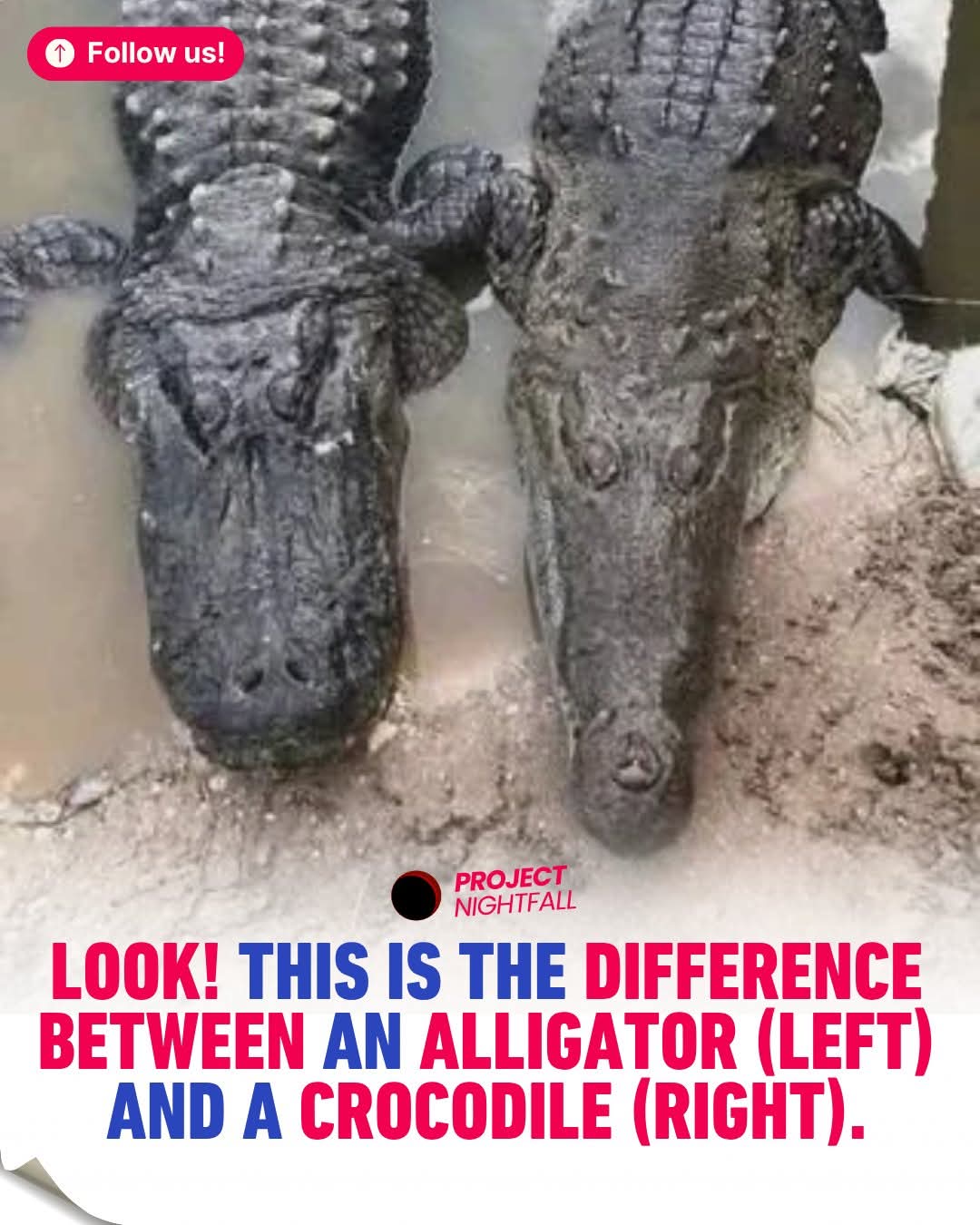
Wildlife experts have outlined simple but important distinctions between alligators and crocodiles, helping the public better identify the two often-confused reptiles.
By Charity Ebi,
Though they appear similar at first glance, specialists note that clear physical and behavioral differences exist. One of the most noticeable features is the shape of the snout. Alligators typically have broader, U-shaped snouts, while crocodiles possess longer, narrower, V-shaped snouts that appear more pointed.
Coloration also serves as a distinguishing factor. Alligators are generally darker, often appearing black or deep gray, whereas crocodiles tend to have a lighter, gray-green tone.
Another key difference lies in their teeth. When an alligator’s mouth is closed, most of its teeth are not visible. In contrast, crocodiles usually display interlocking teeth that remain visible even when their jaws are shut.
Habitat preference further separates the two reptiles. Crocodiles are more commonly found in saltwater or brackish environments, while alligators are primarily associated with freshwater habitats such as rivers, swamps and lakes.
Wildlife observers say understanding these differences is not only useful for identification but also important for safety awareness, particularly in regions where both species may be present.
The comparison, highlighted by environmental awareness sources including Project NightFall, continues to spark public interest, with many debating which of the two formidable reptiles appears more intimidating.
Source: Project Nightfall

By: Derick Peretengboro
The growing belief that education remains a vital catalyst for development has been exemplified once again in the riverine Delta as the launch of the 2026 edition of the famous ‘Back to School’ initiative came alove in Delta State, courtesy of the Common Men Assembly (CMA). The body has reiterated its belief in education as a catalyst for development riverine Ijaw communities.
The programme, which focuses on supplying essential learning materials to public primary schools, is expected to benefit pupils in 25 communities across five local government areas.
Hight Chief Angodideke Jude, the Ogungbeiwei of Ngbilebiri-Mein Kingdom and Chairman of the CMA, while addressing stakeholders at the launch, said the initiative was conceived to address the persistent lack of basic educational infrastructure in riverine communities.
Working alongside Tantita Security Services Nigeria Limited and the Godfrey Pondi Book Club, the group distributed desks, books, bags, and sandals to selected schools on day one.
Schools in Okosugbene, Orugbene, and Ofogbene received 30 desks each, while other schools in Burutu and Warri South West LGAs received assorted learning materials.
The items were received by school officials and community leaders, including Mrs. Ebiyerin Esiri, Mr. Roland Government, and Mr. Oweikeniafa Ebi.
Pupils were seen excitedly engaging with the new materials, a development observers say could positively influence learning outcomes in the affected schools.
IduwiniVoice Edubbas
Wonders as Woman Lived with Parasitic Twin Inside Her for Almost 50 Years before Discovery
By: Daire Perez
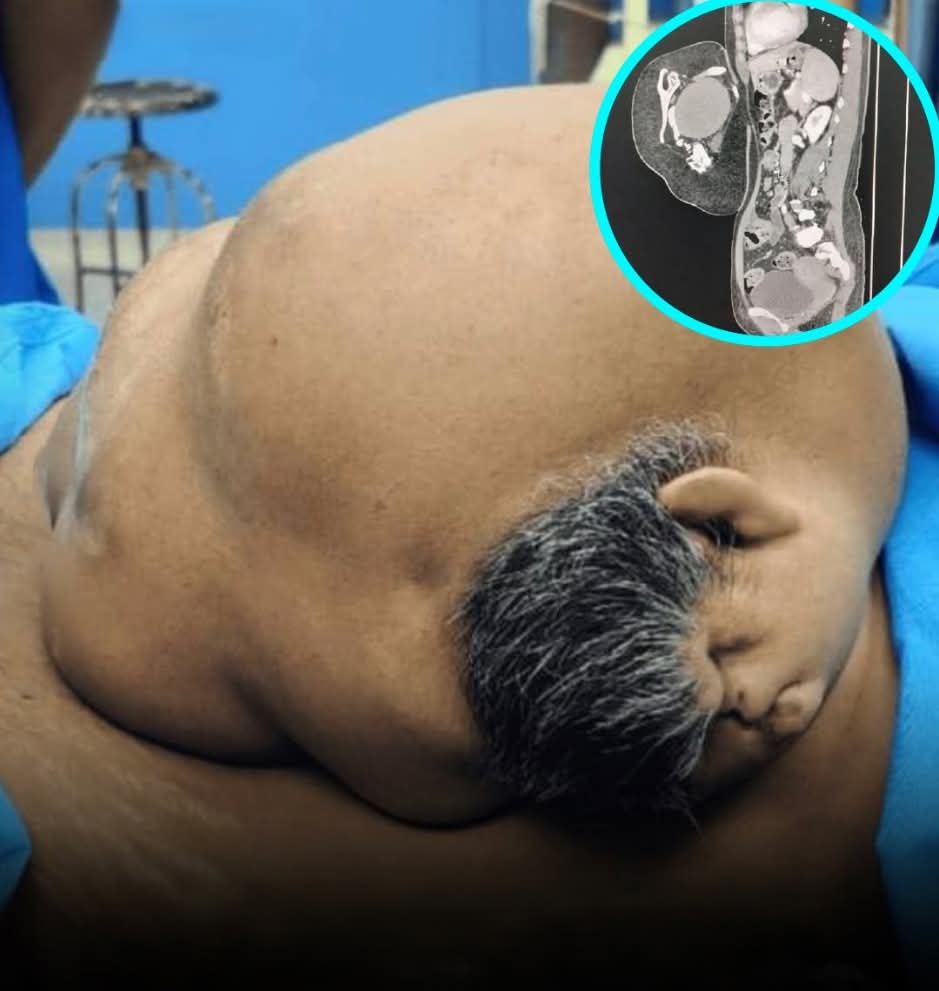
Medical science isn’t just your everyday paracetamol and headache, seat back and be amazed by this rare and heartbreaking medical case. A 47-year-old woman recently learned that the large abdominal mass she had lived with since birth was in fact her undeveloped twin. The rare congenital condition known as an epigastric heteropagus twin, occurs when one embryo fails to fully develop and remains attached to the other during pregnancy.
According to reports, the woman – a mother of four – decided to undergo surgery after carrying the mass for nearly half a century. Surgeons discovered a 24-centimeter growth containing primitive human features, including an ear, a nose, and partially formed limbs. The mass was being nourished by an artery connected to the carrier’s abdomen.
Medical specialists involved in the case emphasized the crucial role of advanced imaging studies conducted before operation. These scans allowed doctors to precisely map the mass’s structure and safely remove it without endangering the patient’s life.
Cases of parasitic twins are extremely rare, making this one of the most unusual and fascinating occurrences in modern medical literature.
Adapted from Weired, Wonder, and Amazing Tings (Facebook)