
National
Mulade Leads Nigerian Delegation to Portugal for Global Grassroots Football Exposure

By Favour Bibaikefie
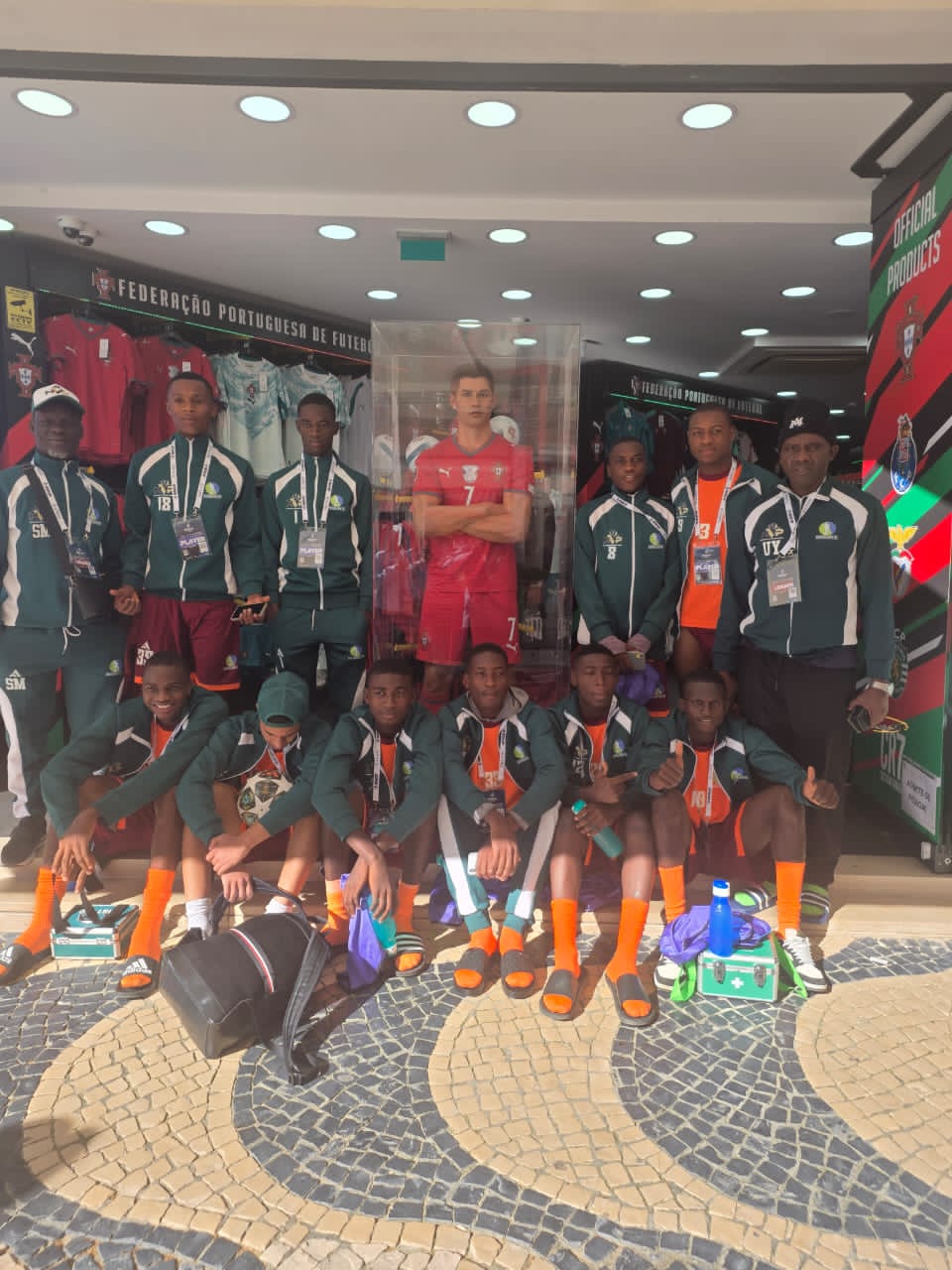
Foremost Niger Delta philanthropist and Chairman of the Delta State Mini Football Association, Sheriff Mulade, has joined other global stakeholders in Portugal to observe one of the world’s largest grassroots football tournaments.
Mulade, who also serves as Vice President of the Nigeria Mini Football Association, travelled alongside the association’s President, Datti Umar Yusuf, to participate in activities surrounding the globally recognised youth competition, IBERCUP.
The tournament, currently underway in Portugal, has drawn over 400 teams from more than 30 countries, featuring young talents between the ages of 10 and 18. It is widely regarded as a major platform for identifying emerging football prospects.
Speaking during the event, Mulade described the competition as an inspiring showcase of youthful talent, noting that it provides a conducive environment for scouts to discover and nurture future stars of the game.

“It is exciting to witness young players from different parts of the world competing at such a high level. The organisation and exposure here are commendable, and it reinforces the need for us to deepen grassroots football development back home,” he said.
He further revealed that the trip is part of efforts to acquire knowledge and global best practices that will strengthen his proposed Africa 4 Peace Sports Academy, aimed at empowering youths through sports development.

Mulade also expressed satisfaction with the performance of Nigerian teams participating in the tournament, particularly those from the northern region, attributing their progress to increased exposure and structured development programmes.
He, however, called on stakeholders in the Niger Delta, including political leaders and private investors, to prioritise grassroots sports as a strategic tool for youth engagement, talent discovery, and tourism promotion.

According to him, sustained investment in football at the community level would not only reduce youth restiveness but also position the region as a hub for sports development in Nigeria.
The ongoing IBERCUP tournament continues to attract global attention as Portugal hosts this year’s edition, reinforcing its status as a premier destination for youth football excellence.








By Favour Bibaikefie
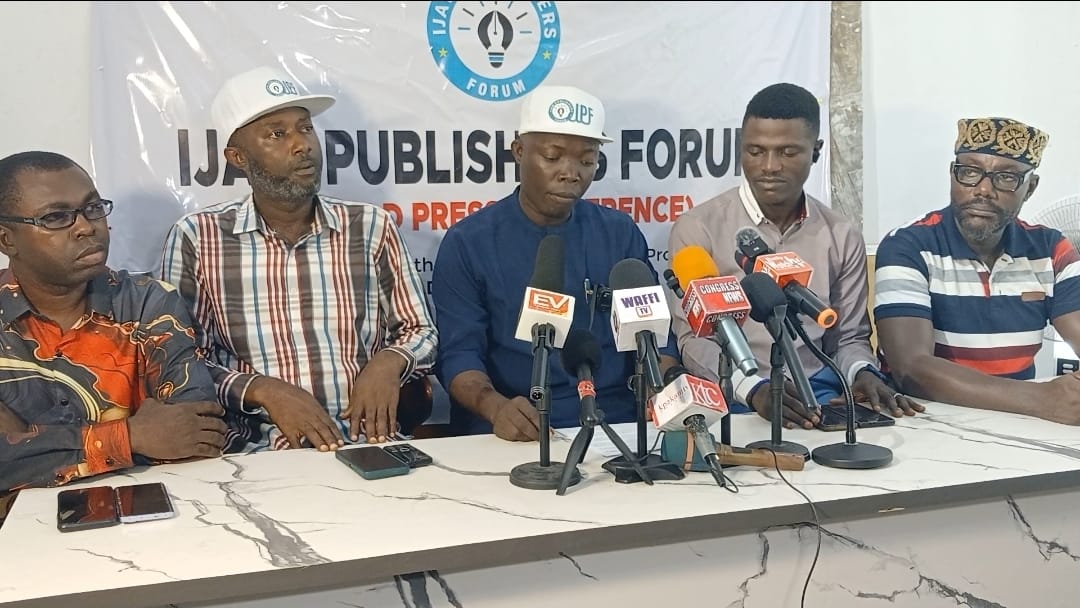
The (IPF) has called for a strategic refocus of advocacy in the Niger Delta, urging stakeholders to prioritise long-standing structural issues such as resource control, environmental justice, and economic inclusion, rather than ongoing disputes over pipeline surveillance contracts.
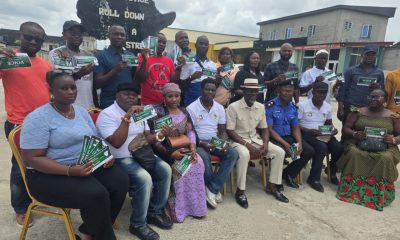
Addressing journalists at a press conference on April 2, 2026, IPF President, , expressed concern over what he described as “misplaced priorities” among key actors in the region. He warned that internal disagreements, particularly over surveillance contracts, risk undermining the broader struggle for equity and development in the oil-rich region.
Austin noted that the controversy surrounding has diverted attention from fundamental demands that have historically defined the Niger Delta agitation. According to him, pipeline surveillance engagements are neither new nor exclusive to a single firm, as multiple operators are involved across the region.
He emphasised that prominent ex-agitator, , popularly known as Tompolo, should not be the focal point of criticism, adding that the outcomes of Tantita’s operations—ranging from improved oil production to enhanced security and job creation—are evident.
“The fixation on pipeline contracts is a distraction,” Austin stated, urging stakeholders to channel their energies towards pressing the Federal Government on critical issues, including the relocation of International Oil Companies’ operational headquarters to the Niger Delta, allocation of oil blocs to indigenes, and the reconstruction of communities impacted by decades of oil exploration and conflict.
The IPF reiterated that despite being the hub of Nigeria’s oil wealth, the Niger Delta continues to grapple with poverty, environmental degradation, and infrastructural neglect. The group decried the abandonment of key recommendations from the National Conference convened under former President , particularly those relating to regional development and resource governance.
In its statement, the Forum stressed the need for unity among leaders, warning against the dangers of public disputes. It advised aggrieved stakeholders to resolve disagreements privately to avoid weakening the collective voice of the region.
The group further highlighted the ecological toll of oil exploration, noting that pollution and environmental damage have eroded traditional livelihoods across host communities. It called on both the Federal Government and international oil companies to take responsibility by compensating affected communities and investing in sustainable development.
Reaffirming its position as an intellectual driver of the Niger Delta struggle, the IPF urged all stakeholders—including government officials, traditional rulers, and community leaders—to rise above personal interests and work collectively toward securing a better future for the region.
“The struggle for resource control, environmental justice, and self-determination must not be derailed,” the Forum stated, adding that only concrete and measurable actions can ensure that the region’s vast natural resources translate into tangible benefits for its people.
National
CMA Writes President Tinubu, Urges Him to Sustain Tantita Pipeline Security Model Citing Gains in Oil Output

By Favour Bibaikefie
A coalition of professionals under the banner of the Common Men Assembly (CMA) has called on President to sustain and strengthen the current pipeline surveillance framework led by , warning that any disruption to the system could reverse recent gains in Nigeria’s oil sector.
In a detailed position paper addressed to the President, the group—comprising experts in oil and gas engineering, maritime security, energy economics, environmental risk assessment and conflict resolution—said its submission was based on “field realities, operational data and national economic priorities,” rather than sentiment.
Pre-2022: Era of Losses
The CMA painted a grim picture of Nigeria’s oil sector before the introduction of the current surveillance model in August 2022, noting that crude production had fallen significantly below the country’s OPEC benchmark.
According to the group, output dropped to between 1.0 and 1.2 million barrels per day, while losses from oil theft and pipeline vandalism were estimated at hundreds of thousands of barrels daily.
These losses, it said, translated into severe revenue shortfalls, mounting fiscal pressure and declining investor confidence, with Nigeria temporarily losing its position as Africa’s leading oil producer.
Illegal refining activities, pipeline breaches and unregulated crude evacuation through waterways were also widespread during the period, further compounding the crisis.
Post-Intervention Improvements
The group, however, noted a marked turnaround following the engagement of .
It stated that crude oil production has since rebounded toward higher levels, while incidents of theft and vandalism have reduced considerably.
Beyond the figures, CMA highlighted a shift in operational confidence, saying criminal networks have been weakened, while host communities are increasingly aligning with lawful economic activities.
“The transition from systemic loss to measurable recovery did not happen by chance,” the group said, attributing the improvement to a coordinated and locally integrated security architecture.
Model of Stability
The CMA further described the Tantita framework as more than a conventional security contract, portraying it as a stabilising system anchored on local intelligence, structured command and community participation.
Under the leadership of High Chief Government Oweizide Ekpemupolo and Engr. Kestin Pondi, the group said the model has combined operational discipline with grassroots engagement, enabling effective surveillance across challenging terrains.
It also pointed to the employment impact of the initiative, noting that thousands of youths have been engaged directly and indirectly, thereby reducing vulnerability to criminal activities.
Broader Impact
According to the Assembly, the intervention has delivered gains beyond security, including improved government revenue, enhanced fiscal stability and renewed investor interest in Nigeria’s oil and gas sector.
It also cited environmental and social benefits, such as the dismantling of illegal refining sites, reduction in oil spills, and improved cooperation between communities and authorities.
Warning Against Fragmentation
The group cautioned against attempts to decentralise or fragment the current surveillance structure, warning that such a move could weaken coordination, reignite community disputes and expose critical infrastructure to renewed sabotage.
It argued that pipeline security should be treated as a core economic priority, noting that disruptions directly affect national revenue, production capacity and international credibility.
Call for Evidence-Based Decisions
While urging the President to resist sectional pressures, the CMA emphasised the need for policy decisions to be guided by verifiable outcomes and national interest.
“We must protect systems that are delivering results,” the group stated, warning that altering the current structure could trigger a relapse into large-scale oil theft, declining output and economic instability.
The CMA concluded that Nigeria’s recent recovery in oil production and sector confidence is closely tied to the present surveillance framework, stressing that maintaining and strengthening the system is critical to sustaining national economic stability.
The statement was signed by Chief Jude Angodideke (Chairman), Mr. Miepekumo Brialade (Secretary General) and Engr. Duopayoebiyo Akemotubo (Spokesman) on behalf of the Assembly.
National
Dr. Mulade Raises Concern Over Rising Hunger and Hardship, Urges President Tinubu to Take Urgent Action
By Favour Bibaikefie
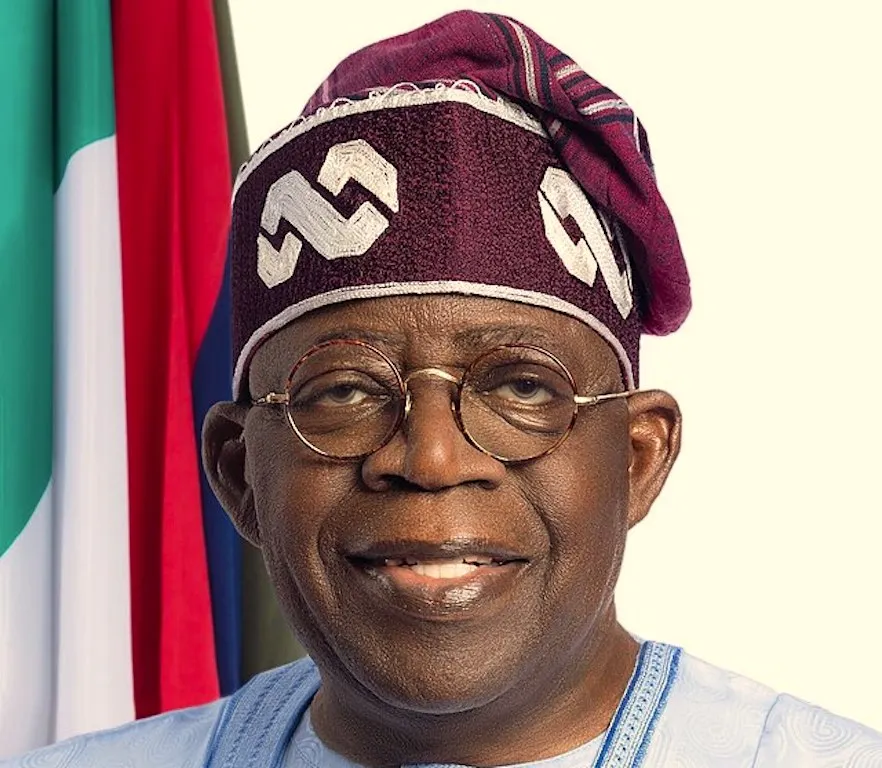
Niger Delta born renowned human and development advocate, Comrade Mulade Sheriff, PhD, has called on President Bola Ahmed Tinubu GCFR to adopt bold and pragmatic steps to stop Nigerians from dying silently and publicly as a result of hunger, hardship, and insecurity challenges in the country.
Mulade made the call in a statement he released to news men on Tuesday, wherein he expressed his displeasure over political office holders’ bid to seeking election while less attention to the level of hunger and poverty felt across the nation.
“We must rise above the challenges and stop the avoidable deaths of Nigerians on daily basis because of leadership failure towards citizens welfare and protection,” Mulade charged.
The United Nations peace ambassador, said the Niger Delta region is a bit calm because of the massive engagements of the youths by pipeline surveillance contractors.
He said, “It is imperative to state that the current saving grace in the Niger Delta particularly the oil and gas sector is because of the current pipeline surveillance contracts awarded to Tantita Security Services Nigeria Limited, the Pipeline Infrastructure Limited etc., who have helped to engage majority of the youths and create some level of economic stability in the region.
“If not, the insecurity situation in the region would have been worse off than in the North East, West and Central, which may have thrown Nigeria into serious economic meltdown,” he noted.
The Ibe-Sorimowei of Ancient oil-rich Gbaramatu Kingdom in Delta State strongly appealed to President Tinubu to sustain the current pipeline surveillance contracts to save our dwindling economy from further deteriorating, especially as we approach the 2027 general elections.
He emphasized strongly on the needs to protect lives and properties which is the primary responsibility of government.
“The Federal Government of Nigeria led by President Bola Ahmed Tinubu, GCFR, should not abandoned the protection of its citizens and concentrate on reelection bid.
“It is worthy of note that Nigerians are losing trust and confidence in our government at all levels because it seems political office holders are more concerned with the syndrome of holding unto power instead of creating economic stability, citizens welfare, development and protection.
“President Bola Ahmed Tinubu GCFR must act now to save Nigerians and our dire nation from collapsing; we must work to be truly the economic giant of Africa, not just in population and landmass,” he added.