
Breaking
KWANKWASO DEFECTS TO ADC, REDEFINES 2027 POLITICAL EQUATION

By Favour Bibaikefie
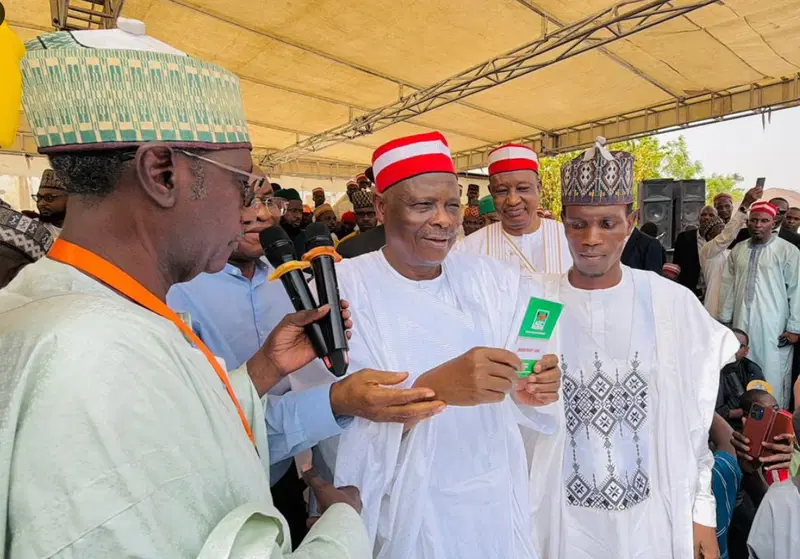
Nigeria’s political landscape witnessed a significant shift on Monday as formally defected to the African Democratic Congress (ADC), a move widely seen as a strategic recalibration ahead of the 2027 general elections.
Kwankwaso, a former governor of Kano State and presidential candidate of the New Nigeria Peoples Party (NNPP) in the 2023 elections, officially registered with the ADC in Kano, marking the end of his association with the NNPP and signalling a new phase in Nigeria’s opposition politics.
The high-profile defection event attracted key political figures across party lines, underscoring growing momentum toward a broad-based coalition aimed at challenging the ruling party in 2027. Among those reportedly present or aligned with the unfolding political realignment are prominent opposition figures believed to be exploring a unified front.
Strategic Realignment Ahead of 2027
Political analysts say Kwankwaso’s entry into the ADC represents more than a routine party switch; it reflects an emerging convergence of opposition forces seeking to avoid the fragmentation that defined the 2023 presidential election.
In that election cycle, the opposition vote was split among multiple candidates, including Atiku Abubakar of the Peoples Democratic Party (PDP), Peter Obi of the Labour Party, and Kwankwaso himself under the NNPP platform—an outcome that ultimately benefited the ruling All Progressives Congress.
With less than two years to the next electoral cycle, Monday’s development suggests a deliberate effort to consolidate political strength, particularly in northern Nigeria where Kwankwaso commands a formidable grassroots following through his Kwankwasiyya movement.
ADC Emerges as Coalition Platform
The ADC, hitherto considered a minor political platform, is increasingly positioning itself as a potential coalition vehicle for opposition leaders seeking a neutral ground free from entrenched internal rivalries associated with older parties.
Observers note that Kwankwaso’s defection may trigger a domino effect, encouraging other political heavyweights to reconsider their affiliations as consultations intensify across the opposition spectrum.
There are also indications that talks are ongoing among leading political actors on the possibility of presenting a consensus presidential candidate in 2027—a strategy aimed at mounting a more formidable challenge to the incumbent administration.
Implications for the Ruling Party
For the APC, Kwankwaso’s move introduces a fresh layer of complexity to the evolving political equation. While the ruling party maintains a strong national structure and incumbency advantage, a united opposition could significantly alter electoral dynamics, particularly in battleground states across the North-Central and North-West regions.
Political commentators argue that the success of the emerging coalition will depend largely on its ability to manage internal ambitions, agree on power-sharing arrangements, and present a coherent policy alternative to Nigerians.
Looking Ahead
As political activities gradually build toward 2027, Kwankwaso’s defection to the ADC may well be remembered as a defining moment in the early stages of coalition politics in Nigeria’s Fourth Republic.
Whether this realignment translates into a viable electoral force remains to be seen, but one point is clear: the race to 2027 has begun in earnest, and the battle lines are already being redrawn.







By Ezinne
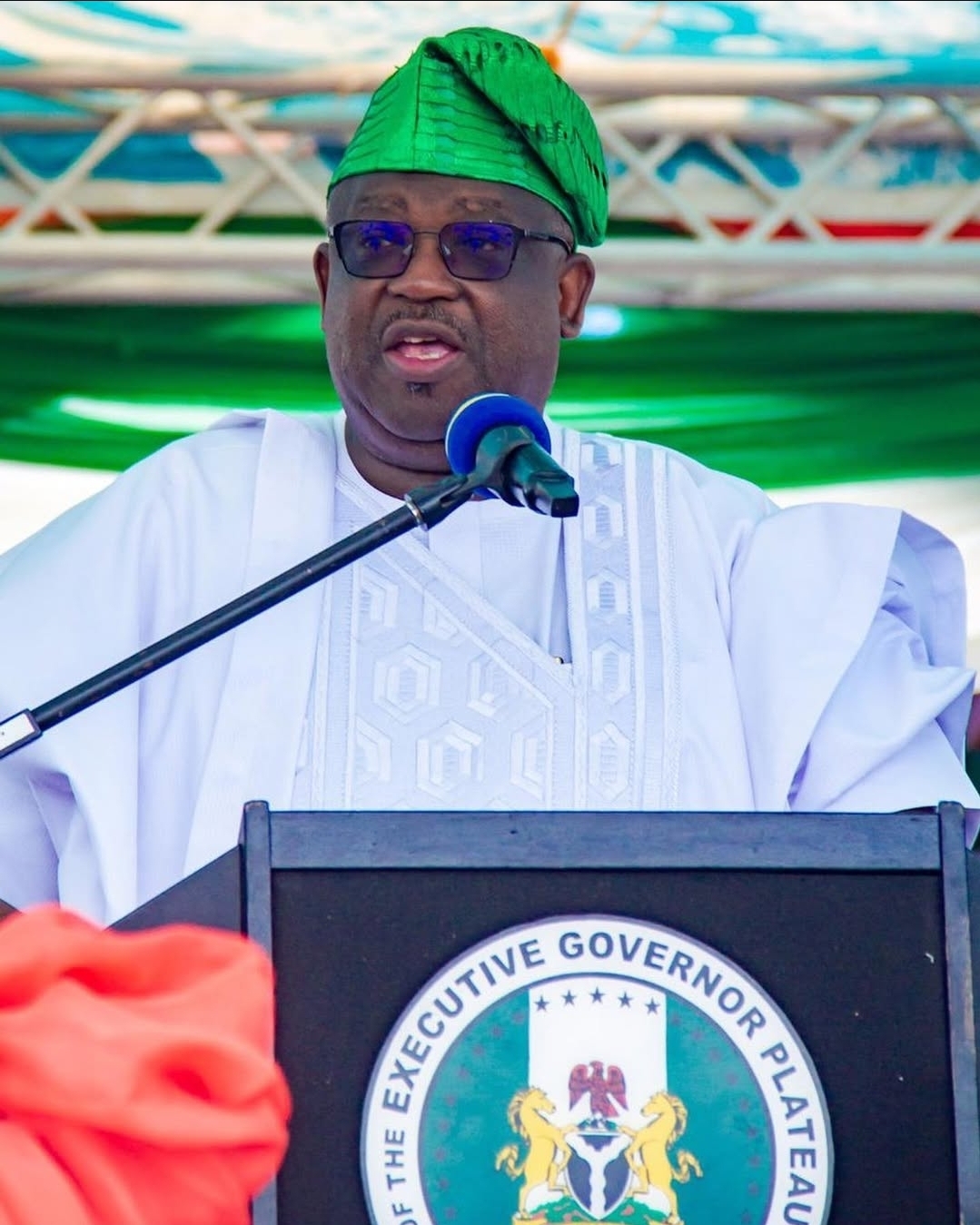
The Plateau State Government has imposed a 48-hour curfew on Jos North Local Government Area following a deadly attack on the Angwan Rukuba community on Palm Sunday evening. The curfew, which took effect at midnight on Sunday, March 29, 2026, is scheduled to run until Wednesday, April 1, as security forces move to restore order and prevent further violence in the capital.
The restriction was announced by the Commissioner for Information and Communication, Joyce Lohya Ramnap, following what she described as a “barbaric and unprovoked” security incident at the Gari Ya Waye community. Eyewitnesses report that gunmen on motorcycles stormed the area around 8:00 PM, opening fire on passersby and residents near a popular local spot. While the Plateau State Police Command has confirmed 14 fatalities, community leaders suggest the death toll could be as high as 27, with many others currently receiving treatment at Luna Hospital for varying degrees of injuries.
In the wake of the killings, angry youths reportedly defied the initial hours of the curfew on Monday morning, staging protests and blocking major roads in the Angwan Rukuba area to demand better protection. Governor Caleb Mutfwang has condemned the massacre and reportedly visited the protest site to appeal for calm. The government has emphasized that the curfew is a necessary measure to allow security agencies—including troops from Operation Enduring Peace—to conduct a thorough investigation and apprehend the perpetrators. Residents are strictly advised to remain indoors, as movement is prohibited except for those on essential duties.
* Dhaka-bound bus falls into river at Daulatdia terminal
By Ezinne
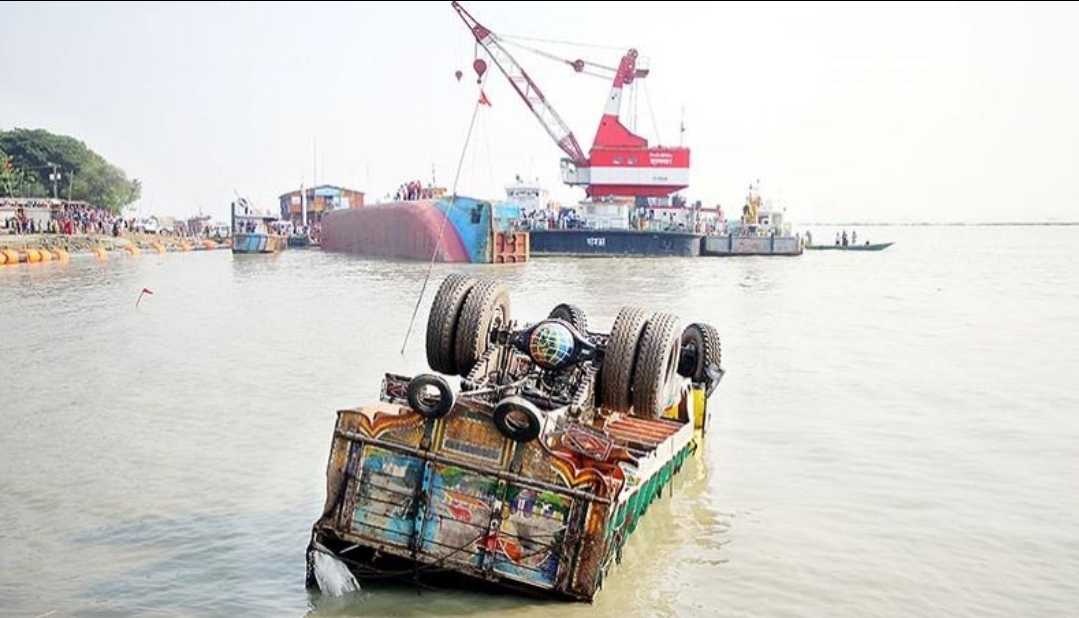
At least 24 people have been confirmed dead after a passenger bus plunged into the Padma River while attempting to board a ferry in southwestern Bangladesh. The tragic accident occurred at approximately 5:15 p.m. on Wednesday, March 25, 2026, at the busy Daulatdia ferry terminal in Rajbari district, about 100 kilometers from the capital, Dhaka.
The bus, operated by Souhardyo Paribahan, was transporting approximately 40 passengers—many of whom were returning to the capital following the Eid-ul-Fitr holidays. Eyewitnesses and terminal officials reported that the vehicle lost control on the pontoon after a smaller utility ferry reportedly struck the platform, causing the bus to veer off and sink nearly 30 feet into the water. While 11 passengers managed to swim ashore or were rescued by locals, the majority were trapped inside the submerged vehicle.
Rescue operations, led by fire service divers and supported by the army, police, and coast guard, worked through the night in challenging weather and strong currents. The salvage vessel Hamza successfully retrieved the bus around midnight after six hours of effort. Rescuers recovered 22 bodies from inside the wreckage, including 11 women and five children, bringing the total confirmed death toll to 24. Prime Minister Tarique Rahman has expressed deep condolences and ordered an immediate investigation into the safety protocols at the terminal. Search efforts remain ongoing for a few passengers still reported missing, while survivors are receiving treatment at the Daulatdia Health Complex.
Breaking
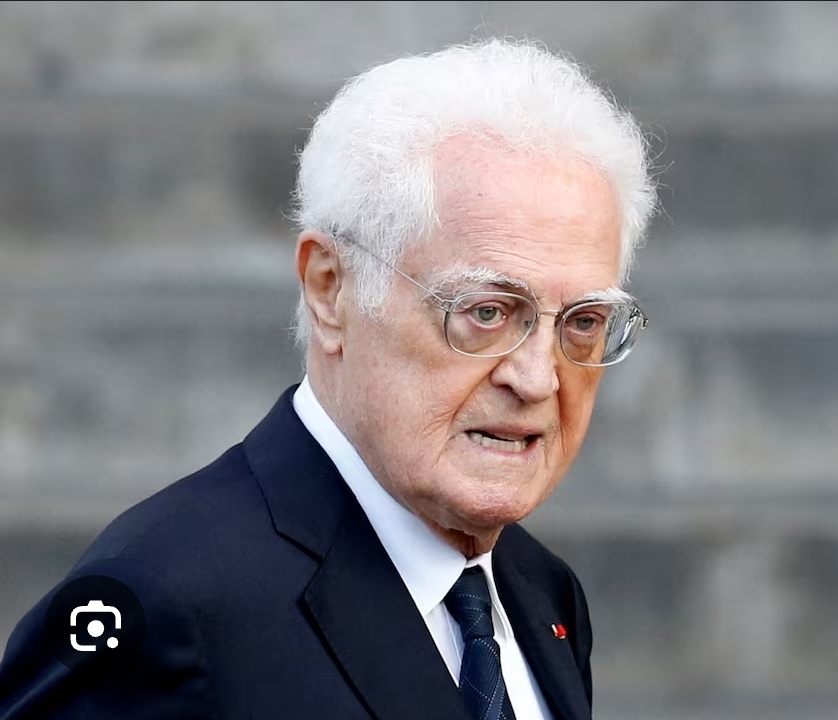
FORMER FRENCH PM LIONEL JOSPIN DIES AGED 88; ARCHITECT OF FRANCE’S 35-HOUR WORK WEEK PASSES AWAY
By Ezinne
France is in mourning following the passing of one of its most influential political figures of the modern era.
Former Prime Minister Lionel Jospin, the disciplined Socialist leader who steered France through a pivotal period of social reform, has died at the age of 88. His family confirmed the news to the Agence France-Presse earlier today, Monday, March 23, 2026, stating that the former head of government passed away peacefully on Sunday. Jospin, who had undergone a serious surgical operation in January, had been recuperating at his home in Paris prior to his death.
Jospin’s tenure as Prime Minister from 1997 to 2002 remains a landmark in French political history.
Serving under centre-right President Jacques Chirac during a period of “cohabitation,” Jospin was the architect of the “Plural Left” coalition. He is best remembered globally for introducing the 35-hour work week, a reform aimed at reducing unemployment and improving work-life balance that remains a cornerstone of French labor law. His government also pioneered the Civil Solidarity Pact (PACS), which granted legal recognition to same-sex couples, and implemented significant laws on gender parity in politics.
Despite his legislative successes, Jospin’s political career ended in a shock that transformed the French landscape.
In the 2002 presidential election, he was unexpectedly eliminated in the first round by far-right leader Jean-Marie Le Pen—an event often referred to as a “political earthquake.” True to his reputation for personal integrity and austerity, Jospin immediately announced his retirement from active politics that same evening. In his later years, he served as a member of the Constitutional Council and remained a respected moral compass for the French Socialist Party.