
News
CEPEJ Inaugurates Warri Peace Committee, Unveils Grassroots Programmes to Tackle Ethnic Tensions

By Favour Bibaikefie
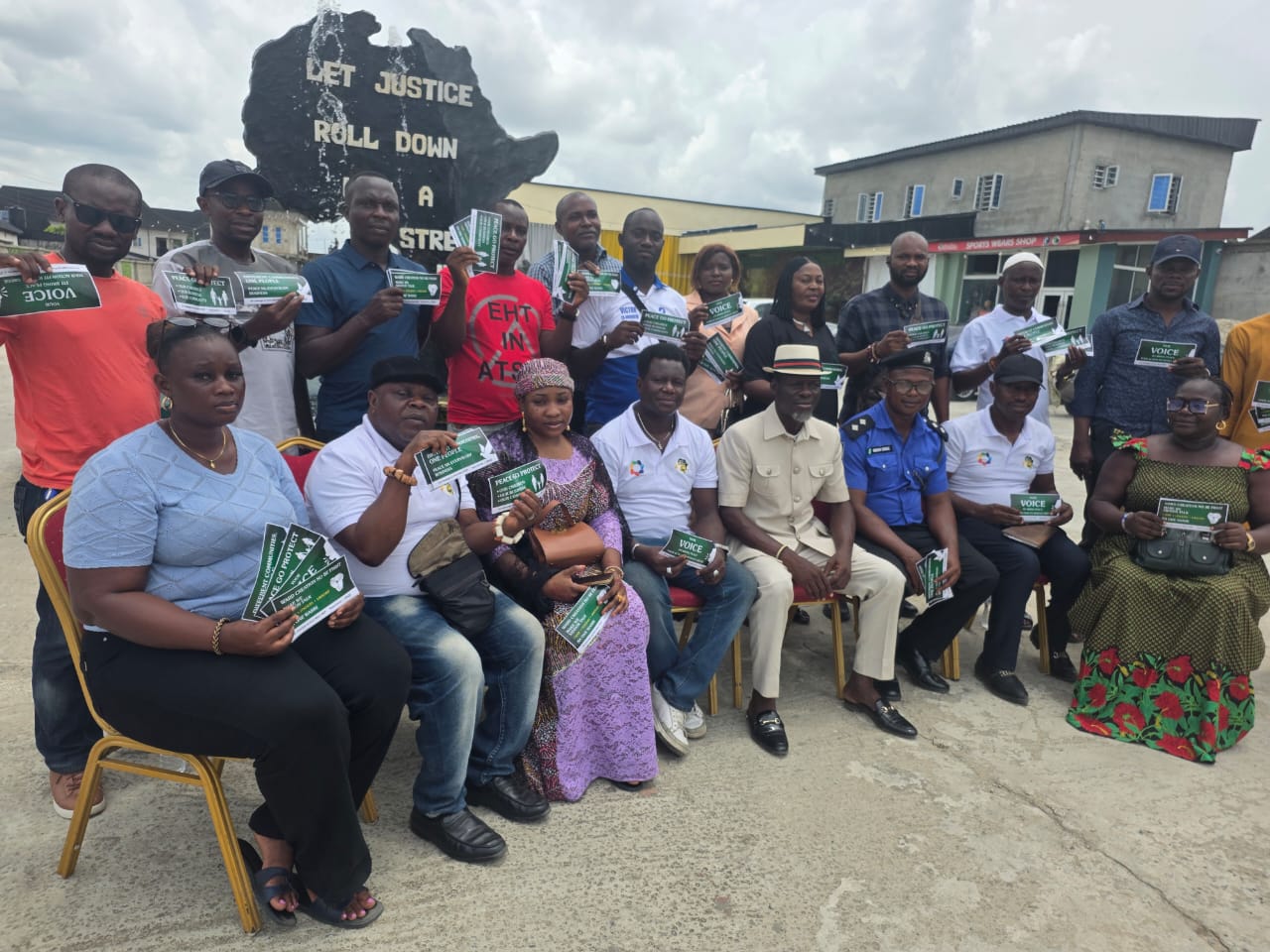
The Center for Peace and Environmental Justice (CEPEJ) on Thursday took a bold step towards restoring harmony in Warri with the inauguration of the Warri Indigene and Residents Peacebuilding Committee, alongside the rollout of strategic engagement programmes aimed at strengthening unity among the Ijaw, Itsekiri, and Urhobo ethnic nationalities.
The initiative which brought together a broad coalition of stakeholders, including community leaders, government representatives, market unions, civil society groups, security agencies, and non-indigenous residents took place at its maiden peace-building meeting, thus signaling a united front to prevent future conflicts and rebuild trust across the oil-rich city.
The National Coordinator of CEPEJ, Comrade Sheriff Mulade, while CEPEJ Inaugurates Warri Peace Committee, Unveils Grassroots Programmes to Tackle Ethnic Tensions at the event stressed that “lasting peace in Warri is achievable through deliberate efforts to de-escalate tensions, promote neutrality, and strengthen information-sharing channels” and urged stakeholders to embrace advocacy-driven solutions that foster coexistence rather than division.
A seven-member executive committee was inaugurated to steer the peace initiative, with Mr. Chuks Awogu emerging as Chairman. Other members comprise Toriitseju Igbiaye (Co-Chairman I), Eburu Emuaghogho (Co-Chairman II), Erediegha Precious (Co-Chairwoman III), Comrade Hilda Amogha (Spokesperson), and Mrs. Hajara Abubakar (Secretary).
Mulade charged the newly inaugurated executives to “rise above ethnic loyalties and remain committed to fairness and inclusivity”, noting that peace remains a critical foundation for development.
He also highlighted the efforts of the Governor of Delta State, Hon. Sheriff Oborevwori, emphasizing that “sustained peace is vital for attracting investment and driving economic growth in the state”.
Reinforcing the call for focus and commitment, Abbey Kalio, Coordinator of SID Warri, urged the committee to remain dedicated to its core mandate and avoid distractions.
As part of its broader peace agenda, CEPEJ unveiled a series of capacity-building programmes, including stakeholder training, community engagements, advocacy campaigns, and inter-ethnic familiarization visits.
These initiatives, according to Mulade, are “designed to entrench dialogue and mutual understanding among Warri’s diverse populations”.
It is become imperative to strongly advise and appealed to crises and ethnic conflict sponsors and beneficiaries to desist but rather invest in ventures that would create employment opportunities for our teeming youths.
“No amount of crisis can displace the Ijaw, Itsekiri, and Urhobo from Warri,” Mulade declared.
He maintained that “Conflict only leads to needless loss of lives, while peace creates opportunities for all.” I want to strongly appeal to our traditional and political leaders to kindly support, promote and endorse peaceful coexistence to attract investors and development to Warri and environs.
Earlier, CEPEJ Administrative Manager, Tina Agidi, outlined the meeting’s agenda, revealing a structured roadmap of programmes targeted at promoting peaceful coexistence.
Similarly, Senior Programme Officer, Samuel Ideh, reminded participants of Warri’s long-standing history of inter-ethnic unity, noting that peaceful collaboration remains beneficial to all residents.
With the inauguration of the committee and the rollout of people-centered programmes, CEPEJ’s latest intervention is being seen as a timely and practical move to douse tensions and lay the groundwork for lasting peace in Warri.










* Industrialist warns of economic impact from Middle East escalation
By Ezinne
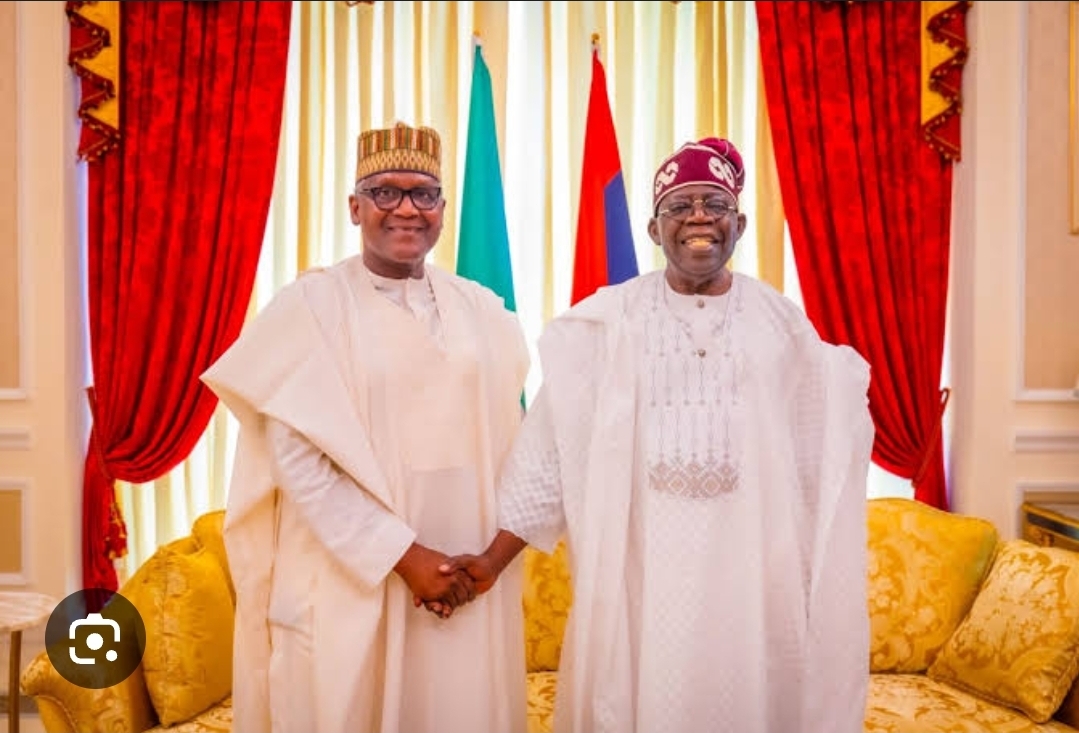
As the drums of war beat louder in the Middle East, Nigeria’s economic leadership is moving to insulate the nation from a potential global energy shock. Africa’s richest man and Chairman of the Dangote Group, Aliko Dangote, held a high-profile meeting with President Bola Ahmed Tinubu at the State Presidential Villa on Monday, March 23, 2026. The discussions focused on the intensifying conflict in the Middle East and its direct consequences on global energy markets, with Dangote calling for urgent diplomatic intervention to stabilize oil prices.
The meeting comes as Brent crude prices fluctuate sharply following recent targeted strikes on energy infrastructure in the Persian Gulf. During the engagement, Dangote emphasized that the volatility in the global oil market poses a significant risk to Nigeria’s economic recovery and the operational costs of major industrial projects, including the Dangote Refinery. Key points from the discussion include: Market stability, Energy security, Inflationary pressures, Refinery preparedness.
Dangote urged the President to leverage Nigeria’s diplomatic influence within OPEC and the international community to advocate for a ceasefire and de-escalation in the Middle East.
The industrialist highlighted that prolonged instability could lead to a spike in refined product costs, potentially impacting the domestic pump price of petrol and diesel if global supply chains remain disrupted.
He noted that a sustained increase in global energy costs would inevitably drive up freight and manufacturing expenses, further straining the purchasing power of the average Nigerian.
Dangote reassured the President that despite global shocks, the Dangote Refinery is optimizing its crude sourcing strategies to maintain a steady supply of petroleum products to the local market.
President Tinubu, in response, acknowledged the concerns, stating that the federal government is closely monitoring the geopolitical situation and is committed to implementing fiscal measures that protect the Nigerian economy from external energy shocks.
News
CBN WINS GLOBAL CENTRAL BANK OF THE YEAR 2026 AWARD;BOLD REFORMS AND POLICY RESET RESTORE GLOBAL INVESTOR TRUST
By Favour Bibaikefie
The Central Bank of Nigeria has achieved a historic milestone on the global stage, being named the “Central Bank of the Year 2026” by the prestigious Central Banking Awards Committee in London.
The award, announced during the 13th annual Central Banking Awards, recognizes the apex bank’s “remarkable turnaround” of the Nigerian economy. According to the committee, the honour is a testament to the bold and often difficult reforms implemented under the leadership of Governor Olayemi Cardoso. The publication noted that the CBN successfully pulled the nation’s economy back from the brink of a major crisis through a disciplined return to orthodox monetary policy and institutional transparency.
The committee specifically highlighted the CBN’s success in tackling the “crippling” foreign exchange challenges inherited in late 2023.
A major pillar of the award was the total overhaul of the FX market, which saw the bank transition to a “willing-buyer, willing-seller” model and clear a $7 billion backlog of unpaid obligations. These moves have dramatically stabilized the Naira, with the gap between official and parallel market rates shrinking to less than 2%, down from over 60% two years ago. Furthermore, the bank’s aggressive stance on inflation saw headline figures drop from a peak of 34.8% in late 2024 to 15.1% by early 2026.
Beyond monetary policy, the award also recognizes significant improvements in governance and international compliance.
The CBN’s efforts were instrumental in Nigeria’s removal from the Financial Action Task Force (FATF) grey list in 2025, a move that has significantly lowered the cost of international transactions for Nigerian banks. In a statement following the announcement, Governor Cardoso dedicated the award to the “resilience of the Nigerian people,” reaffirming the bank’s commitment to achieving a 1-trillion-dollar economy through price stability and a robust financial system.
By Ezinne
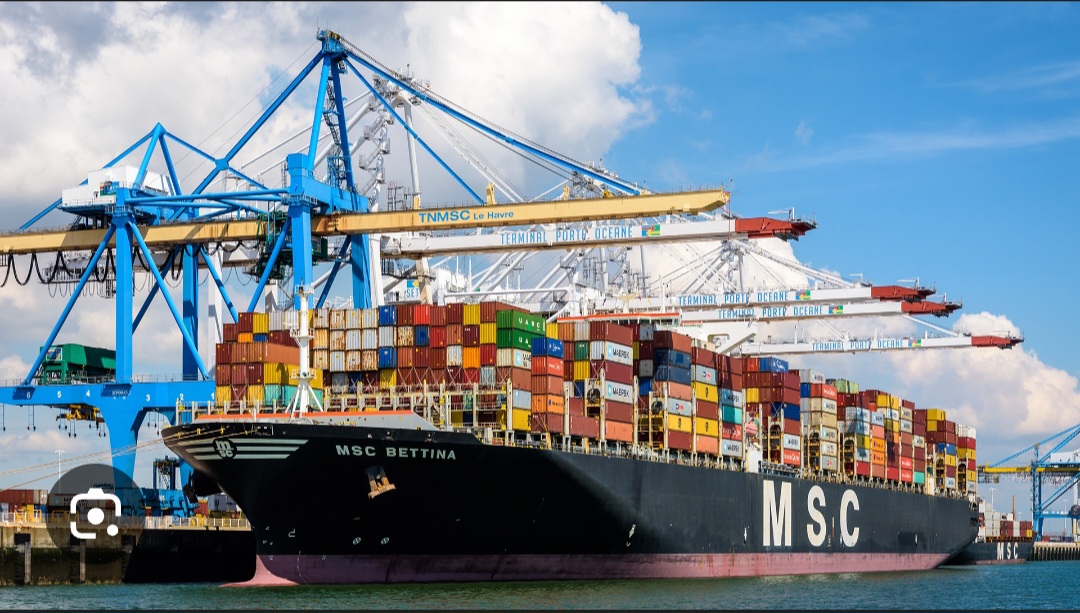
Operations at the Lagos ports were disrupted on Friday as tensions escalated between freight forwarders and the Mediterranean Shipping Company (MSC) over a controversial increase in local shipping charges.
Hundreds of clearing agents and freight forwarders staged a massive protest at the company’s Lagos office, demanding an immediate reversal of what they described as “arbitrary and astronomical” tariff hikes. The protesters decried the rising cost of clearing goods, warning that the new charges would further strain businesses and worsen inflationary pressures across the country.
The protest, spearheaded by five major freight forwarding associations, accused MSC of implementing unilateral price adjustments without obtaining the required regulatory approval from the the Nigerian Shippers’ Council.
In swift response, the Executive Secretary of the Council, Barrister Akutah Pius Ukeyima, intervened, calling for calm and urging all parties to embrace dialogue.
While acknowledging the concerns raised by the freight forwarders, Ukeyima warned that the disruption of port operations could have far-reaching consequences, including port congestion, delays in cargo clearance, and potential international trade penalties.
“The shutting down of shipping operations is a drastic measure that could negatively impact the entire maritime supply chain,” he stated.
The Council has consequently summoned both MSC management and representatives of the protesting associations to an emergency Conflict Resolution Meeting scheduled for early next week, aimed at resolving the impasse through established regulatory frameworks.
Freight forwarders insist that the new tariff structure—affecting container handling and administrative fees—will significantly increase the cost of doing business at Nigerian ports. They have vowed to sustain the protest until MSC suspends the charges and agrees to a transparent review process.
Industry stakeholders have expressed concern over the timing of the dispute, noting that global shipping costs are already under pressure due to geopolitical tensions in the Middle East. Experts warn that prolonged local conflicts within the maritime sector could deter foreign investment and further destabilize Nigeria’s trade environment.
Reaffirming its statutory mandate, the Nigerian Shippers’ Council emphasized that no shipping line is permitted to increase charges without adhering to the Notification and Negotiation Protocol, assuring stakeholders of a “fair and firm” resolution process.