
National
Nigeria Takes the Lead in Electric Van Assembly in West Africa


By Favour Bibaikefie
Lagos, Nigeria — A landmark shift toward green transport is underway in Nigeria as local firms begin assembling electric passenger vans, signaling a major step in the country’s bid to modernize public transport and reduce dependence on fossil fuels.
Lagos-based company Saglev has started locally assembling 18-seat electric vans using imported vehicle kits supplied by Chinese automaker Dongfeng Motor Corporation. The initiative marks one of the first large-scale efforts to build electric public transport vehicles on the African mainland rather than importing fully built units.
Saglev’s CEO, Olu Falaye, described the effort as a “major step in Nigeria’s transition toward clean, fossil-free transportation.” The company has outlined plans to scale production to up to 2,500 electric vans annually, with ambitions to roll out as many as 17 different electric models for both the Nigerian market and neighbouring West African countries.
The project is a joint venture between Nigeria’s Stallion Group — a leading automotive distributor — and China’s Sokon Motor, reflecting growing industrial collaboration between Nigeria and global automakers. Saglev also plans to develop solar-powered charging stations to help address Nigeria’s chronic electricity supply challenges and support reliable EV charging.
The electric vans are expected to offer significant operational cost savings for transport operators. Industry sources note that charging an electric van for up to 200 kilometres can cost around $3, compared with more than $15 in petrol costs for the same distance — potentially reshaping economics for public transport providers.
Nigeria’s efforts are part of a broader continental push toward electric mobility. Across Africa, companies in countries such as Kenya are also beginning to assemble electric vans and taxis locally from imported kits, using innovative financing models such as pay-as-you-drive and lease-to-own schemes to make EVs more affordable for operators and drivers.
Experts say the move toward local EV assembly supports several national goals: reducing harmful emissions, lowering fuel costs for commuters, creating skilled manufacturing jobs, and building domestic automotive capacity. However, observers note that the EV market in Africa remains nascent, with only a few tens of thousands of electric vehicles on the continent compared with millions of traditional fuel-powered units.
As the world pushes for cleaner energy solutions, Nigeria’s growing role in electric vehicle assembly puts the country among Africa’s emerging leaders in sustainable transport innovation.

By Charity Ebi
Abuja, Nigeria – Nigeria’s data privacy regulator has initiated a formal investigation into the Chinese-owned e-commerce platform Temu amid allegations of suspected breaches of the country’s data protection laws, authorities confirmed this week.
The Nigeria Data Protection Commission (NDPC) announced on 16 February 2026 that it has opened a detailed inquiry into how Temu collects, processes, stores and transfers the personal information of Nigerians, raising questions about transparency and compliance with the Nigeria Data Protection Act, 2023.
According to the regulator, the investigation stemmed from concerns that Temu’s data practices may involve online surveillance, opaque data handling, cross-border transfers and potential breaches of the legal requirement to limit the collection of personal data to what is strictly necessary. The NDPC’s statement noted that the company processes data belonging to an estimated 12.7 million Nigerian users, while also serving millions more globally.
NDPC Chief Dr. Vincent Olatunji has warned that companies found to be in violation of Nigeria’s data protection rules could face enforcement actions, including financial penalties and compliance orders. Under the 2023 data protection law, organisations are required to secure explicit user consent, ensure accountability, safeguard data transfers outside the country and demonstrate clear duty of care in handling personal information.
Temu, owned by Nasdaq-listed PDD Holdings, entered the Nigerian market with rapid growth driven by aggressive discounts and widespread mobile use. In response to the investigation, the company issued a statement affirming its commitment to user privacy and regulatory compliance, saying it will “continue to engage in open and constructive dialogue with the NDPC” as the review unfolds.
The regulatory action places Nigeria among several countries increasing scrutiny of the platform’s data practices. In recent years, authorities in regions such as South Korea and the United States have fined Temu for privacy-related breaches and data compliance issues, reflecting mounting global attention on how digital marketplaces handle personal information.
For Nigerian regulators, the Temu inquiry represents a test of the nation’s data protection regime and its ability to safeguard consumer privacy while balancing the expansion of digital commerce. Observers say the outcome could influence how foreign tech companies approach compliance in Africa’s largest digital market.
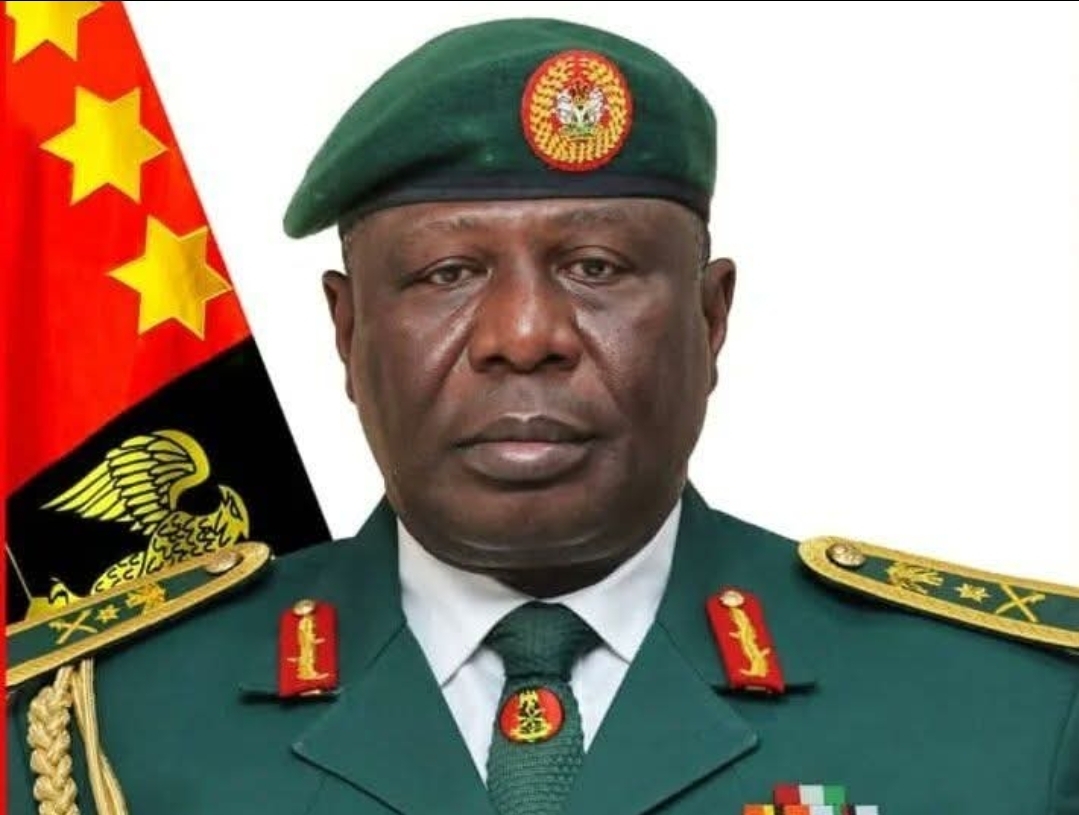
By Favour Bibaikefie
The Chief of Defence Staff (CDS), General Olufemi Oluyede, has issued a stern warning to military personnel deployed across the Niger Delta, cautioning them against involvement in oil theft and any act capable of undermining Nigeria’s critical oil infrastructure.
General Oluyede gave the warning during an operational engagement with troops and military commanders in the oil-rich region, where he emphasized the strategic importance of safeguarding national assets and maintaining the integrity of ongoing security operations.
According to the Defence Chief, the Armed Forces remain fully committed to protecting Nigeria’s oil and gas facilities, which serve as the backbone of the nation’s economy. He stressed that any compromise by personnel entrusted with this responsibility would amount to a betrayal of national trust.
“The protection of oil infrastructure is a sacred national duty,” Oluyede stated. “Any personnel found to be involved in oil theft or sabotage will face strict disciplinary measures in accordance with military regulations.”
He further warned that the military leadership would not tolerate any form of collusion between security personnel and criminal networks engaged in illegal oil bunkering, pipeline vandalism, or economic sabotage.
Military authorities have repeatedly identified oil theft as a major threat to Nigeria’s economic stability, with billions of naira reportedly lost annually due to illegal bunkering activities and pipeline vandalism. The Niger Delta, which accounts for the bulk of the country’s crude oil production, has remained a focal point of both economic activity and security operations.
A senior military officer familiar with ongoing operations noted that recent reforms and intensified surveillance have begun to yield positive results. “We are strengthening internal monitoring mechanisms to ensure accountability among our personnel while sustaining pressure on criminal elements,” the officer said.
Security analysts say the CDS’s directive signals renewed determination by the military high command to enforce discipline within its ranks while restoring public confidence in the Armed Forces’ role as protectors of national resources.
General Oluyede reassured Nigerians that the military remains resolute in its mission to secure the Niger Delta and support national economic recovery. He urged troops to remain professional and loyal to their constitutional responsibilities, emphasizing that their conduct directly impacts national stability and economic progress.
The warning comes amid ongoing federal efforts to curb oil theft, increase crude oil production, and stabilize revenue generation, which remains vital to Nigeria’s fiscal sustainability.
IduwiniVoice
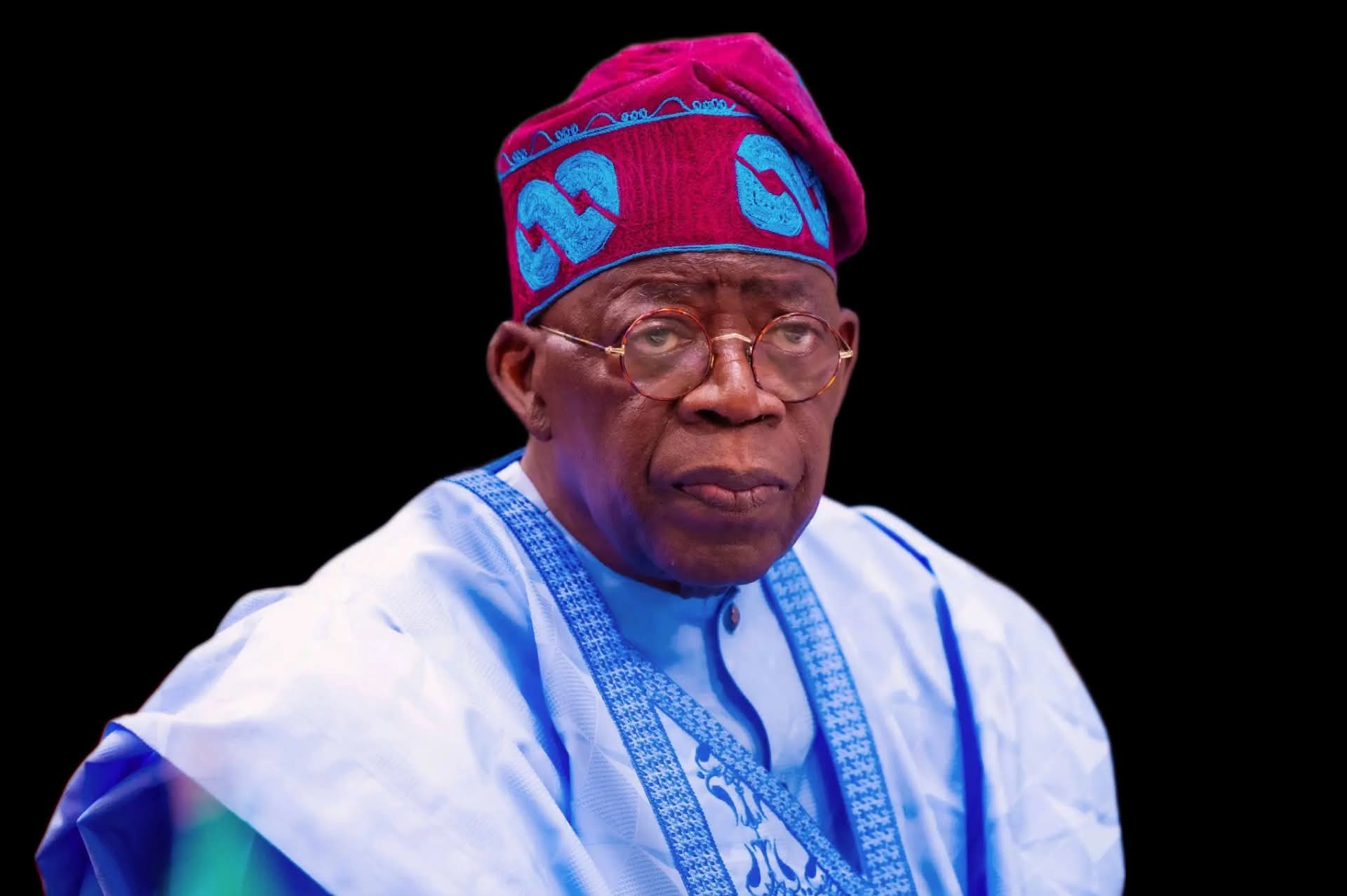
President Bola Ahmed Tinubu has expressed satisfaction with the performance of the Presidential Amnesty Programme (PAP), particularly its expanded scholarship scheme, stakeholder engagement, and peacebuilding initiatives in the Niger Delta, according to the Programme’s Administrator, Dr Dennis Otuaro.
Otuaro disclosed this on Monday in Abuja during the opening of the fourth batch of a two-day Leadership, Alternative Dispute Resolution and Mediation Training for PAP Stakeholders, organised in partnership with the Alumni Association of the National Defence College (AANDEC) at the Nigerian Army Resource Centre.
The training follows similar workshops conducted for three earlier batches of stakeholders in July and August 2025, aimed at strengthening grassroots leadership and sustaining peace across the region.
The PAP Administrator said President Tinubu remains strongly committed to the programme because of his desire to see lasting peace, stability and development in the Niger Delta. He described stakeholders as critical partners in the peace process, noting that they also serve as peace ambassadors of the President within their communities.
Otuaro revealed that, as part of efforts to invest in the region’s future, the Programme has deployed 4,500 students to universities across Nigeria for the 2025-2026 academic session under its scholarship scheme.
He also commended the National Security Adviser, Mallam Nuhu Ribadu, for providing strategic support that has strengthened the Programme’s initiatives.
While cautioning stakeholders against misinformation and political manipulation, Otuaro urged them to remain united and to support the President’s development agenda for the Niger Delta.
He encouraged participants to fully engage in the training and apply the knowledge gained to promote peace and development in their respective communities.
The PAP boss further appreciated the management of the Nigerian Army Resource Centre, AANDEC leadership, and resource persons for their collaboration in advancing peacebuilding efforts in the region.