
IduwiniVoice Health
Health Risks from Water Dispensers

By Divine Perezide
Concerns Raised Over Health Risks from Water Dispensers
In a message that has recently gone viral on WhatsApp, a user under the name “peedee4luv1” issued a warning about potential health risks associated with drinking water from dispensers in homes and offices. The message highlights water dispensers as a possible source of infection that has largely gone unnoticed.
The attached video shows a rodent licking the dispenser tips in an attempt to drink there from.
“Please, let’s take note of this risk of drinking water from water dispensers, either at home or in the office,” reads the post. The user expresses concern over the possible spread of infections through these commonly used appliances, calling them “one of the many untraceable sources of infection that never received attention.”
The warning, which has sparked widespread discussion among users, ends with an appeal to “stay safe” and a call for vigilance in maintaining hygiene standards.
As awareness around the potential for contamination in shared equipment grows, health experts remind users to follow recommended cleaning and sanitizing practices to ensure water safety.

By Favour Okeoghene
Stroke remains one of the leading causes of death and long-term disability worldwide, posing a growing public health concern in Nigeria. Medical experts describe stroke as a medical emergency that occurs when blood flow to a part of the brain is interrupted or when a blood vessel in the brain ruptures, depriving brain cells of oxygen and nutrients.
According to the World Health Organization, stroke accounts for millions of deaths annually, with low- and middle-income countries bearing a significant portion of the burden. In Nigeria, specialists warn that lifestyle changes, poor health-seeking behaviour and inadequate routine medical checks are contributing to rising cases.
So, What Causes Stroke?
Health professionals explain that there are two major types of stroke: ischemic stroke, caused by blockage of blood vessels supplying the brain, and hemorrhagic stroke, which results from bleeding in or around the brain.
Common risk factors include uncontrolled high blood pressure, diabetes, high cholesterol levels, smoking, excessive alcohol consumption, obesity, heart disease and physical inactivity. Medical practitioners consistently identify hypertension as the leading trigger.
Family history, advancing age and certain heart rhythm disorders also increase vulnerability.
Recognising the Symptoms
Early detection remains critical. The American Stroke Association promotes the FAST guideline to help the public recognise warning signs:
- Face drooping: One side of the face may sag when the person smiles.
- Arm weakness: One arm may drift downward when both arms are raised.
- Speech difficulty: Speech may become slurred or incoherent.
- Time: Immediate medical attention is required.
Other symptoms may include sudden confusion, severe headache, dizziness, blurred vision and loss of coordination.
Prevention: The Best Defence
Medical authorities stress that many strokes are preventable. Routine blood pressure checks, regular exercise, balanced diet, reduced salt intake, weight control and avoiding tobacco are key preventive measures. Managing underlying conditions such as diabetes and heart disease also reduces risk significantly.
Experts advise Nigerians to undergo periodic health screenings, even when feeling healthy, as hypertension is often described as a “silent killer.”
Is There a Cure?
There is no single “cure” for stroke. However, prompt treatment can reduce damage and improve recovery chances. For ischemic strokes, clot-dissolving medications may be administered within a limited window of a few hours after onset. In some cases, surgical procedures may be required, especially in hemorrhagic strokes.
Rehabilitation—including physiotherapy, speech therapy and occupational therapy—plays a crucial role in helping survivors regain lost functions.
Health professionals emphasise that time is critical. Immediate hospital intervention can mean the difference between recovery and permanent disability.
As awareness grows, medical experts urge citizens to treat sudden neurological symptoms with urgency. Quick action, they say, saves lives—and brain cells.
IduwiniVoice Health
Scientists Create ‘Universal’ Kidney That Could Revolutionize Organ Transplantation

By: Favour Bibaikefie
A team of researchers from Canada and China has achieved a historic milestone in medical science-the development of a “universal” human kidney that, in theory, can be transplanted into patients regardless of their blood type. The breakthrough, reported in Nature Biomedical Engineering and covered by major science outlets including Reuters, Nature, and Live Science, marks a critical step towards solving one of the biggest challenges in organ transplantation: donor-recipient blood-type incompatibility.
For more than ten years, scientists have sought to overcome the blood-type barrier that forces thousands of patients to wait years for compatible kidneys. Using an innovative enzyme-based approach, the research team successfully removed the A-type blood antigens from a donor kidney, converting it into a universal O-type organ. This modification makes it potentially compatible with any patient, regardless of their own blood type.
According to the Reuters Health Round report (October 15, 2025), the researchers tested the engineered kidney in a brain-dead recipient, observing that it functioned normally without immediate signs of immune rejection. “Our goal is to make blood-type mismatching no longer a limiting factor in transplantation,” one of the lead investigators explained.
The breakthrough technique involves using specialised enzymes that cleave A-type antigens – the surface molecules that causes immune systems to reject foreign tissue – from the organ’s blood vessels. This effectively “relabel” the kidney as type-O, which is universally acceptable by all patients.
As detailed by Nature and Live Science, the kidney was perfumed with these enzymes in a controlled system for several hours before being connected to a recipient. The treatment successfully prevented the immediate immune reaction typically triggered by mismatched blood-type transplantations.
While the achievement has generated excitement across the global scientific community, researchers stress that the method is still in its early stages. The experiment was conducted using a brain-dead human recipient to ensure ethical and safe observation. However, after a period of testing, the treated organ began to re-express some of the removed A-type antigens – meaning that complete and permanent antigen suppression remains a challenge.
Experts told Popular Mechanics that future trials will focus on refining the enzyme treatment and developing methods to prevent antigen regeneration. They also noted that the process does not yet eliminate other immune barriers such as tissue-matching and HLA compatibility.
If perfected, this universal kidney technology could dramatically reduce transplant waiting lists worldwide. According to the World Health Organisation (WHO), over 100,000 people globally are on waiting lists for kidney transplants, with many dying before a suitable donor is found. Eliminating blood-type restrictions could expand the donor pool by more than 30 percent, medical experts estimate.
“This is a major leap towards equitable and efficient organ transplantation,” said Dr. Jane Ho, a biomedical engineer unaffiliated with the project. “It represents hope for thousands of patients who might otherwise never receive a match.”
The research consortium plans to begin pre-clinical safety studies and, eventually, limited human trials. If successful, the technology could transform organ donation and transplantation practices, ushering in a new era where any kidney could be safely matched to any recipient.
As Nature noted in its coverage, “this development brings us one step closer to universal organ compatibility – a concept long imagined, now edging towards reality.”
IduwiniVoice Health
First Pig Kidney Transplant Patient Discharged From Hospital. Guess which Country.
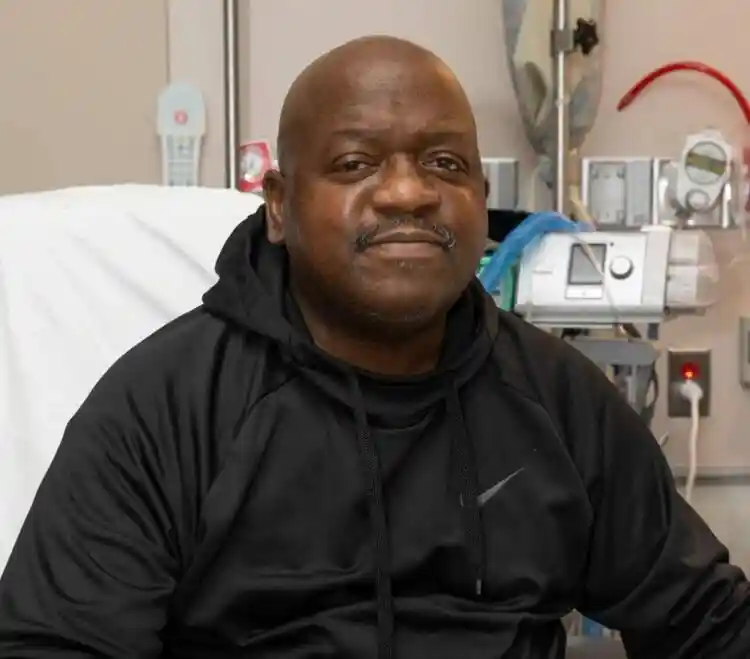
First Pig Kidney Transplant Patient Discharged From Hospital. Guess which Country.
By Tobouke JEMINE,
The world has indeed reached a stage where impossibilities are increasingly becoming possibilities. Few things will be said to be impossible to attain in the nearest future.It was all joy and hope to many when the news hit the media that the kidney of a pig has a solution to the treatment of kidney in a man.
It is on record that millions of individuals across the globe await organ transplants, with kidneys topping the list of most sought-after organs. Today, the answer to the challenges involved in the demand and supply of suitable organs is largely taken care of, with this groundbreaking procedure.
Rick Slayman has entered the book of records as the first patient to be discharged from hospital with a kidney transplant derived from a genetically modified pig. The groundbreaking surgery, planned and carried out at Massachusetts General Hospital (MGH), has been acclaimed worldwide, with Slayman leaving MGH just two weeks post-operation healthy, marking a major breakthrough in xenotransplantation’s potential to address the medical challenge of organs.
The 62 years old Slayman was all joy and gratitude for the transformative procedure. “This moment – leaving the hospital today with one of the cleanest bills of health I’ve had in a long time – is one I wished would come for many years. Now, it’s a reality and one of the happiest moments of my life,” he remarked. Slayman was profoundly thankful for the freedom from the dialysis that had adversely affected the quality of his life, stemming from complications related to type 2 diabetes and high blood pressure.
The success of this medical surgery is universally hailed and appreciated following several unsuccessful attempts with organs sourced from genetically modified pigs. Associate Chief of the Nephrology Division at MGH and Slayman’s primary kidney doctor, Dr. Winfred Williams, commended his patient’s valor throughout the process.
Dr. David Klassen, chief medical officer for the United Network for Organ Sharing (UNOS), hailed the profound significance of this breakthrough, emphasizing its potential benefits to the thousands of patients, especially those from ethnic minority backgrounds who encounter disproportionate hurdles in accessing kidney transplants.
The pig kidney, developed by eGenesis, a Cambridge-based biotech firm, underwent a thorough process involving 69 genetic modifications to enhance compatibility with human physiology and eliminate the risk of pig retrovirus infection.
Dr. Leonardo Riella, MGH’s medical director for kidney transplantation, emphasized the hope and promise of xenotransplantation in tackling the organ shortage crisis, while stating the prolonged wait times and risks endured by patients relying on dialysis.
Slayman’s procedure received approval under a compassionate use waiver by the U.S. Food and Drug Administration. And to stave off organ rejection, Slayman was administered two innovative immunosuppressant drugs, tegoprubart and ravulizumab, courtesy of Eledon Pharmaceuticals Inc. and Alexion Pharmaceuticals Inc. respectively.